Here’s a confession - I used to think tossing my business info onto as many sites as possible was ‘good SEO’. Turns out, it was like shouting in a crowd with zero listeners. After years of face-palming and wasted afternoons, I built a laser-focused system that finally clicked - and today I’ll spill those hard-won secrets. Let’s untangle the mess, share a quick roofing anecdote, and talk about the massive leap a real, handcrafted database of business listing sites can deliver.
TL;DR: Stop spamming random directories. Use a targeted list of business listing sites tailored to your industry and region to make local SEO work for you - saving time, money, and sanity. Download my proven sheet for a shortcut to results.
Table of Contents
The Directory Myth: More Isn’t Always Better (Hard-Learned Lessons And Roofer Stories)
When I first started Osborne Digital Marketing, I believed what many business owners still do: the more directories you list your business on, the better your results. I spent hours adding my business to every site I could find, thinking it would skyrocket my rankings and bring in a flood of leads. But here’s the truth I learned the hard way - randomly listing your business everywhere doesn’t equal more traffic. In fact, it can do more harm than good.
Why “More” Isn’t Always “Better”
Let me share a quick story. Early on, I submitted my business to dozens of generic directories. The result? My inbox filled up with spam, my phone rang with sales pitches, and my website traffic barely budged. Worse, I started noticing inconsistent business information across listings - some had my old address, others a misspelled business name. Google picked up on these discrepancies, and my local rankings actually dropped. I realized that quality and relevance matter far more than sheer quantity.
Generic Vs. Industry-Specific Listings
Not all directories are created equal. There’s a big difference between a generic site and one tailored to your industry. For example, as someone who’s helped roofers, plumbers, and carpet cleaners rank for tough keywords, I’ve seen firsthand that industry-specific listings (like roofing associations or trade directories) carry more weight with both Google and potential customers. These sites are trusted, targeted, and often deliver real leads - not just empty clicks.
- Generic directories: Often broad, low-value, and filled with unrelated businesses.
- Industry-specific directories: Focused, trusted, and more likely to be visited by people looking for your exact services.
Hard Data: 2,500+ Hand-Verified Sites
Over five years, I’ve personally built and verified a list of 2,500 business listing sites, organized by industry and region. This isn’t just a random collection - it’s a curated resource that shows why fewer, relevant listings work best. For roofers, for example, I’ve identified 93 high-impact directories (national and state-specific) that actually move the needle. Listing on every site you find is not only unnecessary, it’s counterproductive.
The Overlooked Headache: Outdated Or Inconsistent Info
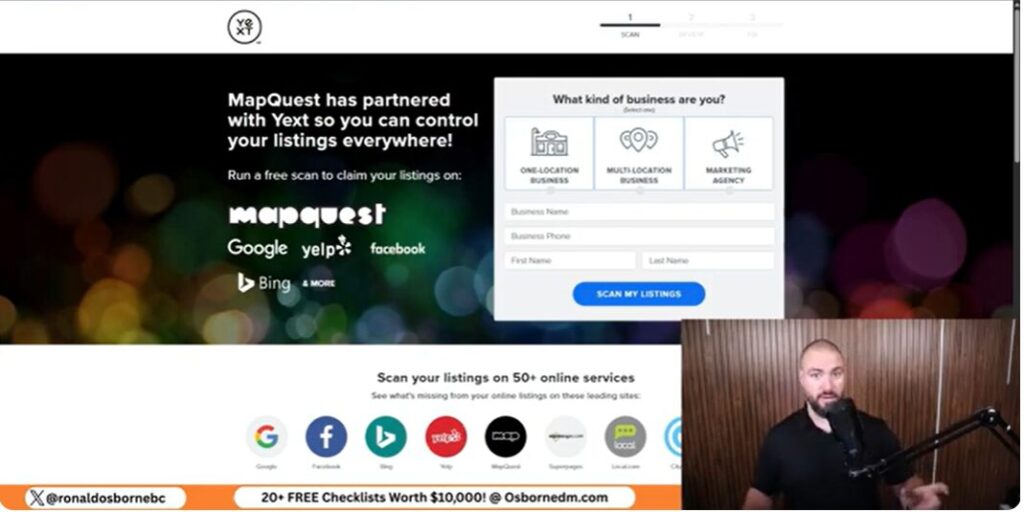
One of the biggest mistakes I see is businesses letting their information go stale or inconsistent across directories. Even a small typo or an old phone number can confuse search engines and hurt your rankings. That’s why I always recommend using a tracker or index to monitor your listings. Keeping your NAP (Name, Address, Phone) data consistent is crucial for local SEO success.
“Listing everywhere got me nowhere - except for more spam and headaches. Focusing on the right sites changed everything.” - Ron Osborne
In summary, don’t fall for the directory myth. Targeted, up-to-date listings on industry-specific sites will always outperform a scattergun approach. My experience - and the data - prove it.
Anatomy Of An Effective Business Listing (And The Backlink Bonus Nobody Talks About)
After five years of deep work in the trenches of SEO and business listings, I’ve seen firsthand what separates a listing that drives real leads from one that just sits there collecting digital dust. Let’s break down the anatomy of an effective business listing - and reveal the backlink bonus that most people overlook.
Checklist: What Actually Matters In A Business Listing
- NAP Consistency: Your Name, Address, and Phone Number must be identical across every listing. Even a small typo can confuse search engines and cost you rankings.
- Reviews: Encourage genuine customer reviews. Listings with recent, positive feedback get more clicks and rank higher.
- Keywords: Use industry-specific keywords naturally in your business description. For example, “roofing contractor in Dallas” or “emergency plumber in Brisbane.”
- Links: Always add your website link. This isn’t just for traffic - these backlinks, even from smaller directories, can boost your site’s authority.
Free Vs. Paid Listings: What Are You Missing?
Free listings are a great starting point and make up the majority of my 2,500-site collection. They get your business on the map, literally and figuratively. But paid listings often come with perks: featured placement, extra categories, or even direct lead generation. Some aggregators charge $15–$50, but they can push your info to dozens of partner sites, multiplying your visibility. The choice depends on your budget and goals, but don’t ignore the value of a well-placed paid listing in a competitive niche.
How Business Citations Drive Real-World Leads
It’s not just about digital shelf space. When your business is listed accurately and widely, you show up in more searches - especially “near me” queries. I’ve seen clients in roofing and plumbing get calls within days of updating their listings. Each citation is another door for customers to find you, and the trust signals from consistent listings help you outrank competitors.
Spotlight: Tracker Tools, Aggregator Bump, And Premium Perks
- Tracker Tools: My community gets access to an inbuilt tracker. Paste your URL, and it crawls your listings, checking status and accuracy - no more guessing if your info is live.
- Aggregator Bump: Data aggregators like Neustar and Factual can distribute your business info to 10–15 extra sites. This “bump” is a secret weapon for local SEO.
- Premium Perks: Paid listings may offer analytics, call tracking, or priority support, making it easier to measure ROI and fix issues fast.
Example: The ‘HomeAdvisor’ And ‘Gaff’ Effect
Listing your roofing business on HomeAdvisor or Gaff isn’t just about exposure. These sites are trusted by both Google and customers. Being present here can mean instant credibility and a steady stream of leads - especially when combined with niche, state-specific directories from my sheet.
Industry-Specific Directories: Secret Sauce For Lead Generation And Local SEO

Over the past five years, I’ve spent thousands of hours building, testing, and refining business listing site lists for nearly every local trade you can imagine - roofers, plumbers, electricians, HVAC pros, landscapers, and more. What I discovered is that most people get business listings wrong because they focus on quantity over quality. Let me show you why industry-specific directories are the real game-changer for lead generation and local SEO.
What I Learned Building Lists For Roofers, Plumbers, Electricians, And More
When I first started, I thought blasting my business onto every generic directory would boost rankings. But after tracking hundreds of campaigns, I realized that hyper-focused, industry-specific directories consistently outperformed the big, generic ones. For example, a listing on a niche site like Roofers, Coffee Shop, Plumbing, Web, drove more targeted traffic and higher conversion rates than a dozen listings on broad platforms.
Case Example: Roofers And The ‘93 Site’ Edge
Take roofing as a case study. I’ve curated a list of 93 roofing-specific directories, including both national and state-level associations, review sites, and trade platforms. These aren’t just random links - they’re places where real customers look for roofing services. When my clients claim these listings, they see a noticeable jump in both search visibility and direct leads. It’s not just about being everywhere; it’s about being in the right places.
Why Hyper-Focused Directories Trump Generic Ones
Here’s the secret: Google and other search engines value relevance. When your business is listed on directories that are tightly aligned with your industry, it sends a strong trust signal. These sites often have higher domain authority in their niche, and the backlinks you get are far more valuable for SEO. Plus, customers searching these directories are already primed to hire someone in your field, so conversion rates skyrocket.
The Ripple Effect: More Targeted Citations = Stronger Domain Authority And Trust
Every time you add your business to a trusted, industry-specific directory, you’re not just creating another citation - you’re building your reputation in the eyes of both search engines and real customers. Over time, these targeted citations compound, boosting your domain authority and helping you outrank competitors who rely on generic, low-value listings.
How Being ‘Seen’ By Specialty Directories Beats A 1,000-List Dump Every Time
Don’t fall for the myth that more is always better. I’ve seen businesses waste time submitting to massive, outdated lists with little to no impact. Instead, focus on the directories that matter most in your industry. For roofers, that’s the 93-site edge. For plumbers, electricians, and others, I’ve built similar, highly curated lists. When you’re visible where your ideal customers actually search, you get more qualified leads and build lasting authority.
Common Listing Mistakes And Quick Fixes (Because We All Get It Wrong At First)

Let’s be honest - nobody gets business listings perfect on their first try. Even after five years and thousands of listings, I’ve made my fair share of blunders. The good news? Every mistake is fixable, and I’ve developed a toolkit of quick fixes that will save you time, money, and headaches. Here’s what I’ve learned from the trenches of SEO and business listings.
Tangent: My Own Listing Fails
There was a time I accidentally listed a client’s roofing business with a typo in the phone number. Another time, I used an old URL that redirected to a competitor. And yes, I’ve missed responding to reviews - sometimes for months. These slip-ups happen to everyone, but they can hurt your local SEO and credibility if left unchecked.
Why Google Business Profile And Reviews Matter More Than Ever In 2025
Google Business Profile (GBP) is the kingpin of local search. In 2025, Google is doubling down on local intent and user-generated content. If your GBP info doesn’t match your other listings, or you’re ignoring reviews, you’re leaving money on the table. Reviews aren’t just for show - they directly impact your rankings and trustworthiness. Make it a habit to check your GBP weekly and respond to every review, good or bad.
Quick-Fire Tips: Fixing NAP Inconsistencies
- Audit Regularly: Use my free business listing sheet (link below the video) to cross-check your Name, Address, and Phone (NAP) details across every site.
- Prioritize Top Directories: Fix Google, Bing, Yelp, and industry-specific sites first. These carry the most SEO weight.
- Keep a Master Sheet: Track every listing you create. My sheet is organized by industry and region, so you never lose track.
- Automate Where Possible: Use tools to update multiple listings at once, but always double-check for formatting errors.
The Oddball Method: Automating Listings (Without Going Robotic)
Automation can be a lifesaver, but only if you keep your listings human. I recommend using my inbuilt tracker and index (exclusive to my community) to paste your URL and let the system crawl your listings. This not only saves hours but also flags any inconsistencies or missing info. Still, always add a personal touch - unique descriptions and real photos go a long way.
Secret Tools: Trackers And Scrapers From My Community
- Listing Tracker: Instantly check the status of your listings and get alerts for issues.
- Reddit Scraper: Find niche listing opportunities and industry chatter that most people miss.
- Automated Crawls: Paste your business URL and let the system check for live links, errors, and missing data.
“Even the pros mess up listings. The trick is having the right tools and processes to fix them fast - and turn mistakes into momentum.”
Joining Forces: Why Community (And A Few Oddball Tools) Make All The Difference
After five years of building, refining, and using business listing sites to help local businesses rank and generate leads, I can say with confidence: you don’t have to - and shouldn’t - go it alone. The digital marketing world is vast, and while having a massive, organized list of business directories is a huge advantage, the real magic happens when you tap into a community of like-minded professionals who share, support, and innovate together.
When I first started Osborne Digital Marketing, I quickly realized that the landscape of business listings was always shifting. Sites come and go, signup processes change, and new opportunities pop up in places you’d never expect. That’s why I built my community - not just to share my ever-growing list of 2,500 (and now, for members, 25,500) business listing sites, but to create a space where we can all stay ahead of the curve. By joining forces, we multiply our knowledge and results.
Inside our community, the value goes far beyond a spreadsheet. Members get access to advanced features like our inbuilt tracker and index, which lets you paste your business URL and have our system automatically check the status of your listings. This saves hours of manual checking and ensures your citations are live and accurate. Plus, our step-by-step setup guides make it easy to organize, manage, and expand your online presence, no matter your industry or region.
But what really sets our group apart are the ‘inside’ hacks and oddball tools you won’t find on YouTube or in public forums. For example, I share automation scripts - including a custom Reddit scraper - that help you find new listing opportunities and monitor your brand mentions across the web. These tools are the result of years of trial, error, and collaboration with other digital marketers and business owners. They’re designed to give you an edge, whether you’re a roofer, plumber, landscaper, or run any other local service business.
Collaboration is at the heart of our success. Members regularly consult with each other, troubleshoot tricky listings, and share the latest tips for getting listed on high-value directories. The support you get from a community like ours can’t be overstated - whether you’re stuck on a technical issue, need advice on which paid aggregator is worth it, or want to brainstorm new lead generation strategies, there’s always someone ready to help.
My advice? Don’t try to master business listings and local SEO alone. The landscape is too dynamic, and the best shortcuts are often ‘inside’ knowledge shared between trusted peers. If you’re serious about growing your business online, I invite you to join our digital family. You’ll find the link to our community, free resources, and my contact details below this post. Together, we can make business listings work for you - faster, smarter, and with a lot less guesswork.