If you’re a plumber looking to make it big in the plumbing segment, it is high time you considered getting a website if you don’t have one already. However, contrary to popular notion, your job doesn’t just end after you get the website. Instead, it begins. Once you have the right website you would then need experienced plumber SEO professionals to optimize your website. Why? Because until you do this, your website won’t show up when people look up plumbers in your area. SEO professionals don’t just optimize your website to show up in top search results, but they also ensure that your website consistently ranks high throughout all odds. Additionally, they optimize your website content with just the right keywords so that you stay way ahead of all competition. Having said that, how do you even start using SEO for your plumbing business? What are the things you need to keep in mind? What caveats should you consider? We will find out all that in the following few sections.
If you are a plumbing company that is looking to maximize business returns by investing in quality SEO, you are on the right page. SEO, an acronym for Search Engine Optimization is tailored to improve the search results of your website. With the right SEO for your plumbing business, your ratings will increase, and your website name will show up in the top search results. However, it is crucial to understand the basics before you take a major move with an SEO company, and in this section, we will talk all about that. As you read through the following sections, you will learn more about the different types of SEO that until now you might have stumbled upon but do not fully understand. This is the guide to SEO for plumbers.
If you are looking for a basic and simple way to optimize your website according to leading search engines, you choose on-page SEO. The idea is very simple, and it typically involves a range of meta descriptions, URL and title tags, and keywords among others. As a plumbing business owner who also owns a website you might have come across these terms, but don’t exactly know how to incorporate them. And that is exactly what an On-page SEO business will do for you.
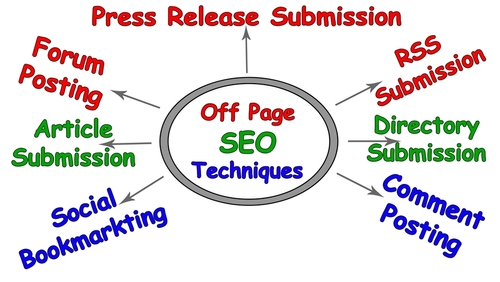
In case you already have on-page SEO it is an excellent idea. However, SEO alone isn't helpful enough when it comes to fixing your website with Google search results. Why? Because the keywords for on-page SEO are fairly generic. This is where off-page SEO comes to play. This is not just an excellent way to establish your brand as a reliable one, but it also helps spike up your google listing. This form of SEO includes multiple components including mentions of brands that link to external pages, inbound website links from outbound sites, common business citations also known as the NAP citation, solid social media presence with quality business profiles across Facebook, LinkedIn, Instagram, Twitter, and TikTok among others.
When it comes to local or geographical SEO, plumbing services will be at the top of your list. In case you do not already know, Google integrates location data in the form of geo-coordinates. All search algorithms of Google carry these coordinates. But what do they do in the first place? What do they do when someone searches "Plumber SEO"? Well, typically, they will show you a range of results depending on the location of the person searching. Thanks to smartphones and easy access to Wi-Fi, people now look up online businesses more seamlessly and quickly. Because Local SEO helps you reach out to your target audience it is worth considering this option especially if you are looking to work with local clients. Typically, local SEO may be categorized into multiple components including (but not limited to) Google Maps, your business profile on Google and other search engines like Yahoo, Microsoft, and Yelp, solid and consistent digital reputation, and a screenshot of the local pack.

Finally, let us focus on one of the most overlooked and yet crucial components of SEO when it comes to plumbing businesses. Most people are still unaware of technical SEO because the majority of the work happens backend. That means you can only understand the specifics of this SEO if you are familiar with website designing and some form of coding. A regular user cannot identify technical refinements as easily as web development professionals.
As with everything else, technical SEO comprises multiple components like HTML and CSS coding, search engine optimization for mobile and smartphones, download and loading speed of the website, final look, and feel of the website, and finally the schema markup.

Now that you are familiar with the different types of SEO, you are probably wondering what specific reasons attribute to you choosing SEO services for your plumbing business. In this section, we will take a quick sneak peek.
When you choose the right SEO for your plumbing website, you will receive higher local rankings that convert to legitimate traffic. With more traffic, you also get the added option of generating maximum leads that will ultimately translate to sales.
If your website is optimized by professional SEO experts, it is likely to come up with the most organic results. Thanks to this, you wouldn't have to manually look up leads or spend a huge chunk on advertisements either. SEO is an excellent way to establish brand awareness that will naturally generate a target audience for your plumbing business.

At the end of the day, more people are likely to use your services if they feel your website is easy to navigate and your services are easy to book. That is why you need the right SEO that will ensure your website looks amazing, is easily navigable, and loads super-fast. This will leave an excellent user experience for the end user and your reliability as a plumbing business will shoot up.
You need the right SEO to show up on the first page of leading search engines. So, if you think you are falling short on digitization and SEO efforts, here are some nuggets of wisdom to help you start differently.
For the uninitiated, keywords are a set of words those potential customers use when it comes to looking for the right plumber. This can include multiple plumbing terms with your location or just direct names of companies. The right SEO experts will generate high-quality keywords that help you stay atop search results.
Let's face it: nobody likes a website that loads slowly, and your customers are no exception. That is why you need the right SEO professionals to ensure that your website is quick enough for users so that they stay on your site for a while. Choose the right SEO professional and get them to ensure that your site speed is a maximum of three seconds.

Another excellent way to boost site traffic and improve SEO is by creating multiple landing pages for the different areas of your business. Because you are a plumbing business, your landing pages can be like bathroom sink repair, drain servicing, and leak servicing among others. The right SEO professional will research the right keywords and integrate them into your website. The benefit? Your website will come up every time someone looks up that specific service. Make sure the landing pages have quality content with a detailed description of how the service works including relevant keywords.
Any SEO expert will tell you that organic results are unbeatable, and they are not wrong. SEO experts help generate organic leads by coming up with appropriate title tags and meta descriptions for each landing page on your website. Next, they work on a clean URL that gives a clear idea of what your website does. Third, you have a header with targeted keywords and quality content geared toward your target audience.
Now that you know all about plumber SEO and its perks, think no further and get the right SEO service for your plumbing business. With the best SEO services in place, your plumbing services would be the talk of the town and every time people look up plumbing services in your area, your company will show up as one of the top search results. You can also go above the mile by choosing social media optimization, where a team from the SEO company will manage your website landing pages and answer chat questions on your Google or Yelp business listing. When you outsource the SEO requirements of your business to the right digital marketing agency, you do not have to fret about staying ahead of the competition. Instead, you can focus on your job and expect more leads in no time. Quality SEO services do not disappoint and when you have a team of qualified experts handling your digital marketing requirements- you just need to do your job, establish connections, and maintain the ones you already have.
Google is a word known to all. It is a common search engine all around the globe. People from different geographic locations use it in different languages and for different uses. It is one of the most powerful tools when it comes to the virtual world.
To use Google, your physical location doesn't matter; all you need is an internet connection with your laptop or phone, and that's it. Google is a search engine where people look for information using relevant keywords.
Nowadays, business owners also use Google Ads to promote their business and also take help to promote their businesses through smart campaigns. Therefore, the advertising campaign run on Google is sure to reach the target audience and a wider number of people.
Google is a very common word in today's world, but what is Google Ads or Google AdWords? Is it an extension of Google or a new app? Don't worry, and we will answer all your questions regarding Google Ads, previously known as Google AdWords.
Google Ads is an online advertising campaign launched by Google. It is where the business owners can put their small ads in order to reach potential customers. The advertisers are interested in using this service bid to get their ads placed on the Google search engine and non-search apps like mobile devices and computers while using the internet.
This service is offered on a PPC (pay-per-click) basis. PPC Advertising is when you pay for each visit to your website through the ad. The advertising service uses a lot of things to attract customers to their client's website. For example, keywords are used to increase search volume. Therefore, it is common to use relevant keywords that are attractive to the target audience.

The service provided is based on different budget strategies.
To get Google Ads for a small business, the budget depends on the business and its type. For example, if the business owner wants to put the ads for a few months, the cost would be more than if the ad would have been for a few days. Therefore, the business owner should first make a plan with the agency. Then, if they feel that this step will help the business, they should take it further.

If you decide as a business owner to use Google Ads to serve your business, you should also keep a close check on it. It is advised not to let things go unnoticed as it can start giving negative ROI very soon.
Keeping track is easy if you understand the Google ads better; there are Google Ads APIs that are more interactive. These APIs let the business owner or the developers interact with the program's interface. This is helpful for larger accounts, but it is also helpful for small business owners as the better you understand the advertising algorithms, the better results you will attain.
There are different services provided along with Google Adwords; one of them is Google Analytics. This helps you give an in-depth analysis of how well the ads, keywords, searches, etc., are helping your business.

For better understanding and greater results, it is advised to hire a PPC consultant. But, you might be wondering, how is it cost-effective for your small business? Let's examine what they might bring to your business.
PPC consultants are difficult to find and are highly in demand due to the ever-increasing ads and searches. PPC consultants are professionals who manage internet pay-per-click advertising campaigns. This includes; strategy, design, implementation, and analysis of the advertising campaign's performance.
Furthermore, the PPC consultant would do all the work:
Conversion tracking is a similar job. This process involves tracking the mobile data by a mobile measurement partner. The data can also be tracked from any other device like a laptop, computer, etc. The tracking will indicate how the potential customer has interacted with your Google Ad. They track the mapped data point through an app. This enables them to understand better the usefulness of the ad for the person who watched or interacted with your Ad and how much benefit the business is getting.

It is no secret that small businesses struggle to survive in the competitive corporate world. The virtual world is both a foe and a friend. The larger sharks in the ocean, like Walmart, Amazon, etc., are a true threat to the survival of small businesses. This often concerns small business owners.
To survive, various strategies are used and applied by small business owners. As a result, they have to play many roles to save costs and meet both ends. In such a situation, finding a low-cost digital marketing agency and letting them help grow the business is indeed a blessing. Google Ads are just that.
There are ways on the internet that can help you reach customers through advertising platforms and lower your average cost. Search engine optimization is one of the ways to make your ads more prominent to the target audience.
When starting a business, you know you need to give it time; the same is the case with Google Ads. Once you post your ads on Google Ads, you need to keep tracking them. If you just leave it after putting up the ad, you can be sure to let your advertising budget go down the drain instead of yielding results.
Small businesses are usually low on budget and striving to make ends meet. So, will it be beneficial for them to use Google Ads to promote their businesses? The answer is, Yes. So, let's see how Google Ads can help small businesses.
A digital marketing agency is one way to make prominent Google ads as per your marketing budget. A small business will have a relatively smaller marketing budget, so to get your marketing strategy easy enough to reach the relevant customers, you also need to put in effort and money.
Some valuable customers are online at different hours of the day, so to reach them, your ad should be showing up frequently when they are on the internet. For different types of businesses, there are different strategies. Now, it depends on your PPC campaigns to match the search network of an average customer.
Another important thing is to keep your advertising goals clear. You should be able to tell in numbers how much profit or how many customers you are targeting to get through this advertising campaign.
Advertising technology used in these Google Ads makes it possible for the Ads to make the advertising efforts worthwhile. Ad Tech manages ads across channels, including videos, display, search, etc. Moreover, it manages the ads as per the target, bid, optimization of digital marketing, etc.

The types of advertising are basic. These types have evolved with technology. Let's get to know each type.
Most of the forums use all these types integrated as one. This helps with greater reach and attraction.
Though Ads are a great way to reach a wider range of customers relatively easily, they have a disadvantage. It would help if you were sure that the ads do not invite a greater number of non-potential customers as this will increase your cost without getting any benefits.
Google Ads and other forms of digital advertising are a strong component of the services offered by Osborne Digital Marketing. To get the best and yield the most effective results, you should rely only on the best service providers.
Google Ads are a benefit for all types of business owners and customers. There are many options available for the customers to choose from, and there are budget-friendly strategies for businesses.
Though the business owner should be careful that they are getting the most out of the strategies, the ads are not attracting many non-potential customers. This can be harmful as it would increase traffic on the website but not give any financial gain. So, keep a good eye on the Google strategies and gain the maximum benefit your business can.
Today's world has more things happening online than in real life. Ranging from company performance to social life presence, all of it is present to a wider reach of people online. Understanding the importance of social media, many companies have made it a part of their communication channels.
These days a kid who is not even his or her teenager may be easily found having a social media presence, so come to think of it, it is important for adults. In addition, social media has increased the connectivity of people from all around the world.

A thing as common as social media networks is well-known to the people who have access to the internet in any part of the globe. This access has made it possible for people to connect and interact. It has been a blessing in disguise to the core.
From individuals to any official company, it is seen that social media is unavoidable. So what is social media, and what are the social media platforms that are easily accessible?
Social media is an interactive technology used through digital platforms. You share and develop connections, ideas, interests, and other forms of expression through the virtual communities.
Types of Social Media Networks:
There are 3 most common social media networks. But many other smaller platforms are growing rapidly. So we are stating a few that are commonly known to most people :

Most of the stated and other social media sites require making social media profiles. These profiles serve as the home page for the user. These days even company events are posted on social media accounts, making social networks inevitable. Social media users understand the importance of social connectivity through these social networks. It is no secret, how these social media sites have helped grow people as individuals as well as an organization as a whole.
There are many more social media networks emerging and growing with each passing day. There are certain social media policies that work for the safety of the user, but still, there are potential threats. These concerns are for individuals and companies alike.

Apart from individual life, social media sites also affect corporate company activities. Activities ranging from employee engagement to company values everything is being impacted. It is seen over time that employee morale is seen to be higher when given the freedom to access social networks.
The impacts of social media usage vary from company to company. Some companies and their employees rely on social media tools to achieve the company goals, while some can use it as a marketing tool. After knowing this, one might want to ask, how do social media platforms benefit the company or the corporate world?

Personal Benefits to the Employees:
Drawbacks of Social Media

With the evolution of technology, many changes have been witnessed over time, and the corporate world is no different. With changes come a lot of benefits for both parties and a lot of negative effects.
Having discussed various benefits to the organization of using social media on a corporate level, you might be wondering, are there any drawbacks?

The straight answer is, Yes! Social media does affect an employee's job performance, and this happens in various ways. There are ways that an employee can feel the positive impact of using social media and relate it to their work-life.

The answer is Yes! The employees should be given access to social media channels at the workplace. If social media is given access to the workplace for the employees, the right policies and measures should be taken by the managers and business owners. By doing this, the business can see more benefits.
Social media marketing can benefit your business success, and it can help your company gain popularity among other competitors, etc. However, social media channels need to be used correctly by employees as well as business owners.
To grow your business to a new height, Osborne Digital Marketing can help you develop a great marketing strategy according to your business type and industry. Now that you understand the importance of social media presence and usage using the right business strategies. Osborne DM is here to build applicable and success-guaranteed strategies for your business.
The employees should be able to use all the social media channel options available during working hours. This will benefit the employee as well as the organization as a whole. But makes sure to put up the right boundaries and make sure everyone is introduced to those boundaries before they start using social media.
Given the circumstances the Covid-19 pandemic drowns the world in, people are desperate to create an impeccable online presence. Especially because they want to create inextinguishable business imprints in the e-markets.
To create a functional and lucrative website, people leverage various website hosting services. In 2019, the website hosting market size was estimated to be around $57.6 billion.
Now, with the speed the online industry is moving, it is forecasted that by 2027, the market will increase to an estimated value of $171.4 billion.
As easy and accessible as it is to create a catchy, user-friendly website, finding the right website hosting service can be bewildering simply because there are too many options.
From old-school yet popular servers like WordPress and Wix, people are starting to get intimated by cloud-based servers like Cloudways.
Website hosting is not as easy as it seems. Especially if you are unaware of what type of plan you should use. You may experience huge monetary and data loss with the wrong plan and hosting server.
To learn what plan you need and when is the right time to upgrade your website, stick with us until the end.
Different website hosting servers have different options and packages. There are basic plans that are often free, and then there are the premium packages with additional features and customization options that charge you a fee.
As a beginner, WordPress, Wix, Squarespace and similar options like Kinsta seem great, and they are. They are all well-integrated and excellently functional content delivery networks.
But, as technology advances and the internet is witnessing the biggest entrepreneurial paradigm online, the "need for speed" and other upgrade options with websites have become more pronounced.
If you have a website, you must be using any of the following types of website hosting:
It allows multiple people to use the same hosting server on a shared plan- and obviously, it is an economical option when you are just starting or do not need bulky storage spaces or specialized hosting features.
It can be great for business, and non-business sites as this plan offer basic building tools, custom domains, and satisfactory built-in functionality.
In 2019, the revenue generated from shared website hosting plans was 37.4% of the market share.
However, data security breaches are always a risk as your files are stored on a shared server. Also, a free or basic plan would often come with restricted web development features and offer an average speed.
Host servers like Wix, HostGator, DreamHost, and WordPress all provide the cheapest plan for website creation that you can settle for.

Even though this also provides a shared server for several people, it charges more money because it has better security features than the previous one. For example, your files and data are stored in specific storage spaces with protected resources.
If you are looking for a server dedicated to your files and provides better performance, this one can be a good fit. As the entire physical server is yours, you get better functionality, and however, as you may have guessed already, the cost will be higher.
In this type of website hosting plan, even though the server is dedicated to your website, it will be managed and maintained by a different provider. You will have to use the File Transfer Protocol or FTP to manage your content and follow other rules that come with the perks.

One of the newest and considerably safest hosting servers that do not break the back for you. Servers like Cloudways and Site Ground are making their place in the web hosting market with promising features and better speed while providing all types of web hosting at their best.
It is anticipated that gradually cloud hosting will become more commonly used than the WordPress (WP) Engine.
As discussed, five options, including the share and the non-shared hosting plan, are widely used- there are other home servers that you can use on your own.
If you are not content with your current hosting plan, you can always use a private server if you have a good research edge and ample technical knowledge.

You can choose from basic hosting plans to any expensive yet comprehensive plan. The key to hosting success is to learn the signs that navigate you to the upgrade process.
Here are some of the signs that tell you that it is time to get fancy with your website hosting and upgrade it.
The two biggest determinants of your website's success are its performance and speed. Nobody wants to wait minutes before a site uploads and functions. On the other hand, people expect a website to load within seconds as Cloudways do.
Cloudways offers less than 0.5 seconds of loading time compared to many other websites hosting servers.
WPEngine and Kinsta hosting plans involve a specific number of visitors every month.. Let us say, for instance, they have a "100,000 visits plan." do you think it would guarantee a super-fast and high-performance website for each visitor?
Not certainly, as this specific number is more of an assumption, with a certainty that there can be more visitors. Then what? Will the "extra" visitors not be able to leverage the plan efficiently? Cloudways does not define such numbers and offers equity in every aspect for the visitors to create state-of-the-art websites.
As tested, the Cloudways plan is easy on the pocket while serving way more visitors than its competition, such as Kinsta and WordPress Engine.

Moreover, a slow website can lead to a bad experience and down your website on the "search engine ranking" chart. If you do not invest in the speed and performance of your website, you will have a hard time ranking on the first page of Google or any other search engine.
The best way to test and analyze your website's performance and speed with the current type of hosting you are using is just to open your website on your mobile phone and hit the refresh button.
If it refreshes quickly, all is well, and it needs no upgrade. But, if it takes a lot of time and infuriates you, it is the right time to undergo the upgrade process.
With the visitors to the website, the more is always merrier, but not when you are not prepared for the spike in organic traffic.

If you fail to anticipate such a big surge, especially when planning a great product or service launch on your website, the visitor will experience a "traffic jam" in the form of an "error message" on your web pages. And we all know that traffic issues can be devastating for you and your business.
If you plan to start small, your worries will be small, too, and you will be able to stick to basic plans with a simple upgrade. However, if you want to go big with your launch, personal blog promotion, or any other business shenanigans, you will have to plan big as well.
When your business is booming, and you are growing fast, you would need to slightly expand your budget. Yet a dedicated webmaster with a dedicated server plan allows you to leverage the bandwidth and unmetered disk space.
A popular choice for dedicated hosting plans as offered by WPEngine and Cloudways gives you complete control over the server resources with better MB storage and a user experience that leads to giant amounts of traffic.
Moreover, they offer DDoS protection, diverse options for hard drives, unlimited bandwidth, and excellent performance firewalls.
So, before you want your content to break the internet and go viral, it would be best to upgrade your hosting for all the heavy lifting that would be required to do.
If you go on a website, what kind of experience do you want? To open it on the first try, right?
As they say, the first impression can be the last; if the website does not open as soon as you click it, you will not visit it again. In addition, hosting servers like DreamHost and WordPress offer 99% uptime, while Cloudways offer 100% uptime that loads your website in less than a blink of an eye.
And if your current plan is not giving you the required uptime, upgrade it to acquire better support and resources.
The significance of a website's uptime cannot be understated. If a visitor is unable to access your website on their first attempt, they may never return, and this presents an unprofessional image. If you're not obtaining 99.9% uptime and fast load speeds from your web host, it's time to increase your hosting package to include more resources and assistance.

Your website will be your business's biggest asset. It is a "show and tell" avenue for all the e-visitors who want to learn about your online venture. So, if your website is not secure and you experience a data breach, it will be quite troublesome.
As your website grows in size and number, the first step is to shift to non-shared hosting plans if the current one is shared. Next, you need to get better built-in security features.
Even though there is no hosting server that offers 100% web security, there are some like Cloudways that provide advanced security features like dedicated firewalls, click-free SSL installation to avoid viruses, a two-step authentication process, bot protection, and more.
If even your existing paid plans are not offering these features, it is high time you upgrade your website hosting to the one that does.
With the growth of your site grows the user activity as well. You would need plenty of features like editing tools, customization, and disk space as well. Usually, any basic, free, or shared plan does not offer these features, and you will have to upgrade to another hosting surface to unwind more resources.
Moreover, graphics such as catchy videos and many images attract more people. And people would want to load them instantly- as you know, the internet ninjas have the patience of a hummingbird.
Getting straight to the point, you will need advanced design tools (also some attractive SEO tools) to optimize and customize your media content. The premium plans or any other powerful plan for website hosting will offer compression, lazy load, and excellent formatting to speed up your site and help with media content.
When you are new in business or have a knack for trying new ideas, you also need to leverage certain advanced tools. Cloudways hosting servers allow business websites to leverage various features like a sandbox environment or a demo site.
Such advanced features allow your website to showcase your ideas and talent to clients on an abundance of platforms.
On your website, you will have blog posts, media content, product descriptions, and much more, and you will need to optimize the entire website to rank higher on search engines.

From settings dashboard on your site to diverse blogging platforms, SEO (Search Engine Optimization) is what makes it discoverable and accessible to the audience.
Therefore, even if you settle for an affordable option for web hosting with adequate design functionality, you will need access to SEO tools. But, as already mentioned multiple times, as your site grows, you will need to upgrade your hosting plan. This time with the one that offers advanced SEO functionality.
If you want to step into the competitive online market, try to get your hands on a good web hosting server from the start. So even if you want to get some upgrades later, you can save a lot of time and money on the website setup process and the migration process.
From tackling traffic density to handling the bandwidth breakdown and the need for additional drive space or advanced SEO features, you need a one-stop solution for all your website hosting problems.
If you are tired of changing from one hosting platform to another, try Cloudways or Site Ground and see the wonders it does to resolve your server issues.
We are not saying it is an ideal choice because words are not worth it without actions. However, we want you to try the basic plan first, and if it works for you, you can always take advantage of premium features.
Get started with the best, and let your avant-garde website rule the front pages of every search engine.
The essence of a great website creation lies in content strategy and a list of keywords used to make the website searchable and easily accessible.
Let us be clear, everyone wants their content to rank on the first page of every search engine, especially Google- the higher the ranking, the better.
Therefore, to do so, it is essential to curate a website that targets both, the search engines as well as the users. This is because one without the other would compromise the website's ranking and ROI.
So, to accentuate a failproof SEO (Search Engine Optimization) and get organic traffic, you need to work on its foundation- keyword research.
Worry not; if you are having trouble with the keyword research process, we are here to help rank your business site rank higher. After reading this guide, you'll never need to ask how to do keyword research for your website.
Terms like search volume, long-tail keywords, target keywords, SEO strategy, etc., might confuse you while working on the keyword ideas. However, all of these terms are intertwined with keyword research and allow you to create the type of content you want.
To create a website that is attractive and user-friendly with more organic traffic , take a step back and learn the basics of SEO keyword research.
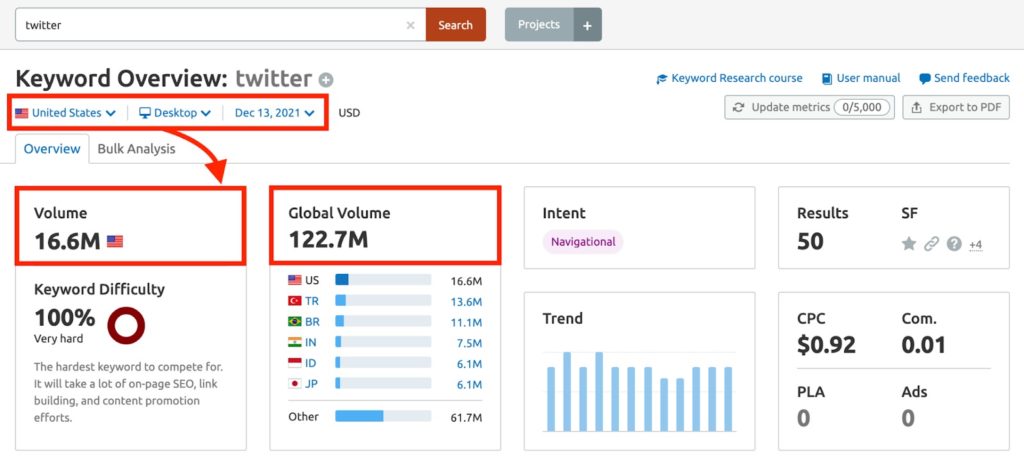
The keyword research process allows you to create a list of the most popular keywords (or search terms) that the audience usually looks for on search engines such as Google.
However, the relevant keywords need to be included in the content strategically and according to the search volume- the frequency of any particular keyword.
In doing so, you enable your content and website to rank higher on SERP- search engine results page.
In simpler words, a well-crafted keyword research list allows you to understand the language and mindset of the potential customers when they are searching for particular things.
Once you have your traffic generating keyword list, you can easily analyze, compare and even improve the relevant keywords based on the statistics and monthly search volume.
While you are on the "keyword hunt," you would often come across several terms that you need to understand for better results.
These are search terms with considerably low competition levels and search. As the name suggests, they tend to be longer, usually a short phrase with 3 or more words. Long-tail keywords have proven to have more sales conversion rates as they do not have much competition and are easily searchable.
These are what we call the short-tail keywords consisting of only one or two words. They tend to have a higher competition level and high monthly search volume. These keywords have no modifiers.
This metric allows you to evaluate and analyze the number of people searching for a particular keyword or query. Search volume accolades your content with the right and popular keywords, turning the search engines in your website's favor.
Ideally, when performing keyword research you should always target keywords with low search competition levels and a high monthly search volume.

In this digital era, it has become a need for every type and size of business to create an avid online presence. Your website is what you would call in the non-digital world the brick and mortar store. It displays your content, products, and services to the visitors. Understanding how to do keyword research for your website is something that needs to be considered.
The keywords are the linchpin that allows you to understand if your content understands and fulfills the visitor's needs.
Keyword research is critical in defining your website's workability and success.
On-page SEO might be sufficient for local organizations or businesses standing in less competitive industrial markets for its search engine visibility and ranking.
However, for a medium-sized or a large scale B2B or B2C organization, it is important to include other SEO strategies like backlinks, off-page SEO, industries, and keyword-optimized content on other social media platforms like Instagram, and Facebook, Twitter, Yelp, etc.

Consistent and keyword-quality rich content with relevant key terms (short or long-tail) alongside internal and backlinks can enhance the optimization.
Overlooking the competitive keywords and not investing in keyword strategies can cost your time, money, and business. If your website fails to rank on the first page of search engines, nobody is ever going to discover your content, and that would bring the ultimate doom to your business.
Your content should not be focused on what you want to tell the people but on what the people want to know and discover.
After you have grasped the basics of keyword research, it will allow you to:
You must understand the intent of keyword research and learn the different types of keywords. If you get stuck with the process, you can always seek help from SEO experts or other relevant keyword tools for searching.

When working with SEO and keyword research, you cannot overlook the factor of "search intent or user intent." Identifying user indent is the most important factor of keyword research and will help get you in front of the competitors which will help you understand how to do keyword research for your website.
Using intent when doing keyword research targets the main goal every user has when they search for anything particular or a query on any search engine.
To create a failproof content marketing strategy and run a successful business online, the importance of search intent can never be stressed enough. Search intent lends you the perfect keywords that become the driving force for your content and marketing strategy.
Creating your website based on the search intent allows your content to be specific and precise; moreover, it navigates more people to your website throughout the various stages of the sales funnel, turning them into potential customers.
To help you understand better, here are the four basic types of search or user keyword intent- so that you do not get lost in the search for potential keywords.
All you have to do is align the goal of keyword research with the search intent and improve your website's ranking.
Now that you know that keyword research is as important to your online existence as oxygen is to your physical existence. You must learn the tips to hunt down the exact keywords for your SEO.
Here are a few keyword research ideas that will help you create an unbeatable website:
Every business has different goals and targets a different audience. Therefore, to kickstart your keyword hunt, you must create a list of business-oriented topics and decide how to rank them accordingly.
You can use "seed terms or seed keywords" to narrow down your research for specific niches. A seed term is the main keyword you can type into the SEO tools or search engines to generate a list of relevant terms or keywords.
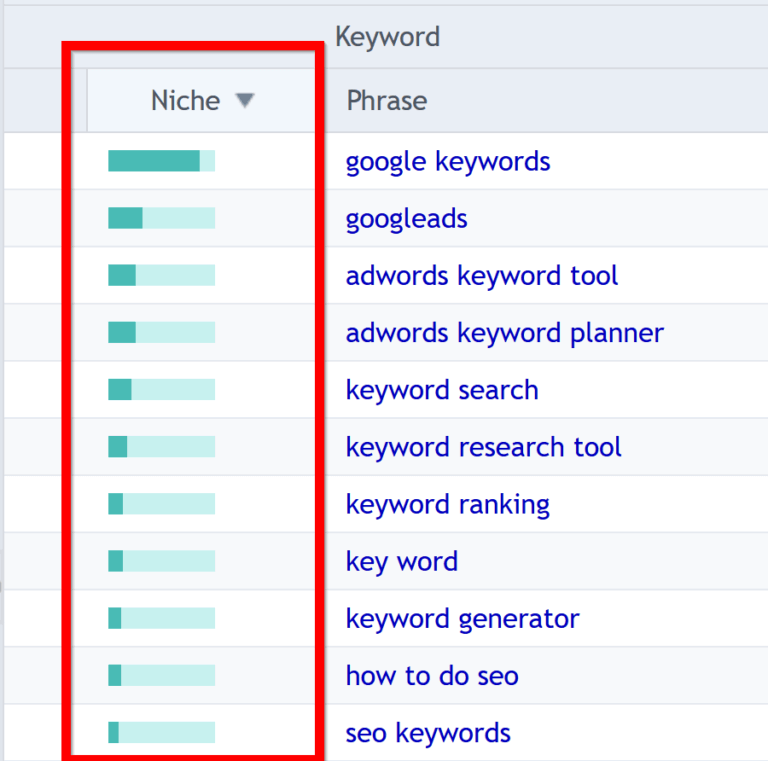
While creating the topics, it is important to embrace the customer or buyer personas and then equate them to your sales conversions. Write down the content topics and then list down their keywords with the monthly search volume.
For example, if you are a footwear company. you may have a bucket list for the topics like:
The search volume enables you to gauge the relevancy and importance of these topics as per your target audience. Furthermore, if the list of organic keywords for any topic increases, it will help you create relevant sub-topics- as they say, the more, the merrier.

Happy with your content topics? It is time to move on to the next important step- adding relevant keywords to each topic.
They can range from a single word to an entire keyword phrase to enable the content to rank higher on SERPs. It will also allow you to get the "additional keyword ideas" if your potential customer searches for specific terms.
For instance, if we go back to the topic we listed above, you would need to brainstorm keywords related to the "footwear" topic. Such as:
Initially, it would be best to dump all the keyword phrases you and your content or social media marketing team can come up with under each topic. And later, you can narrow them down based on the level of competition and keyword difficulty.
As the internet advances and more people are getting comfortable with the digital paradigm, Google is encrypting more and more keywords every day. This way, it becomes easier to know what keywords the audience is typing in the search engines to find you.
However, to utilize this smart feature, you will have to get access to certain Traffic Analytics tools like HubSpot Sources or Google Analytics. All you need to do is, look for your content topic, drill down the monthly traffic on your website and identify the keywords that visitors are using to look up for your website.

You will be amazed to learn how a single keyword can have different meanings as perceived by different people. You have to amalgamate your keyword research with the user intent to improvise your Google ranking and gain more organic traffic.
Before doing any of this, analyze and interpret every keyword in your list. For instance, if your keyword phrase is "the best way to start a blog," here, "blog" can be interpreted in several ways. You can mean blog website or simply a blog post, and the user intent will decide that.
If the searcher wants to launch a website or start blogging, they will use the search engines accordingly. SO, if you are, let us say, targeting the former, you would use the user intent to create content based on keywords for starting or launching a website.
The easiest way to verify that you are on the right track with intent and keyword research is by typing the keywords in the search engines and analyzing the results that pop up.
Keyword research allows you to perceive the prospects of the audience relative to your business, services, and products. If you know what your target audience wants, there will be no trouble creating useful and lucrative content that caters to their needs and demands.
Remember, the key to success does not solely lie in the perfect keywords you find for your content but also in the content management strategy - how you execute those keywords in your SEO-optimized content.
Pay-per-click or PPC campaigns like Google Ads allow people to find your website via organic search.
You should enlist specific keywords relevant to your business goals and align them with your services for better sales conversion and user engagement.
PPC campaigns and online advertising enable you to utilize keyword research for several purposes.
You can easily get stuck with all the keyword research chaos. Worry not; there are several handy keyword and SEO tools that can assist you with excellent keywords ideas and find the perfect match.
To stand above the competition level, here are some easy-to-use tools:
These tips and tools can help you with the SEO ranking of your website and enable you to put your business upfront on various online platforms.
When creating a website and struggling with keyword research and SEO, you want to avoid some easy-to-miss pitfalls.
Here are some keyword mistakes you need to avoid at all costs:

People often miss out on keyword research as they believe it holds no importance for their website- the biggest mistake ever. Even though keyword research can be daunting and take up a lot of time, it is the only way to improve SEO and rank your website higher on search engines like Google.
You cannot just "instinctively" anticipate what your users want; the only way to understand their needs and mindset is to use the words alongside the search intent.
Also, it is essential that with time you change update or change your keywords strategy and list if your audience or business needs changes.
Targeting realistic and relevant keywords is crucial while following the keyword trends. Some niches or content types are hard to rank and very competitive, so if you are just a beginner, you need to focus more on the "long-tail" keywords and not the competitive keywords.
How to do keyword research for your website should help you nail down the competition. This will ensure you don't go after keywords that are too difficult to rank for.
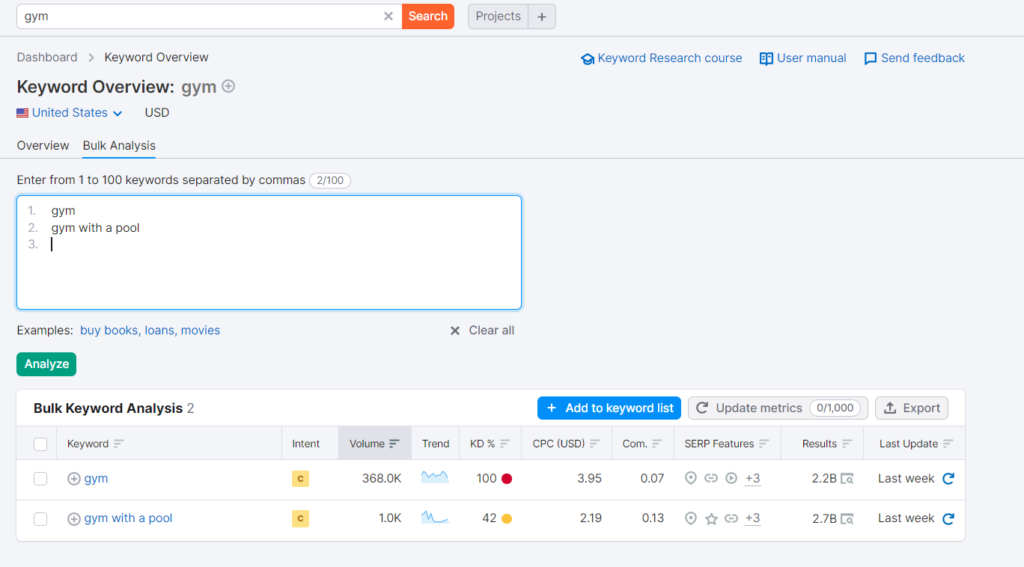
You can easily make the mistake of using low-difficulty keywords or exact keywords only to get higher traffic.
When you write a great article, you cannot rank it based on only one exact keyword or go for low-difficulty phrases to ease your work. You need to create keyword-optimized content to become discoverable on search engines and gain more traffic.
Furthermore, you can seek assistance from SEO tools like the Rank Math Premium plugin to find focus and key terms.
If you opt for keyword cannibalization (optimizing the same keyword for various pages), you will be creating obstacles to your website's success.
The same keyword on more than on-page will confuse the search engines, and they will not know which page to show to your users- leading to complete disaster. Therefore, if you want to create multiple pages, you must create a separate keyword list.

You have done your keyword part, and your website is up and running. However, to see if your ranked keywords are serving their purpose, it is important to evaluate your monthly stats to analyze if people are able to find your content easily.
The easiest way to do this is to Google your main keywords often or use a private browser (that would be better) to see where your article shows up in the results.
This will allow you to decide whether you want to stick with the long-tail keywords or are ready to go with the competitive "head" keywords.
It is never easy to run a business, especially if you do it online.
The best way to get more visitors to your website and increase sales conversions is to do your keyword research for SEO right. It is a time-consuming and tiring process, but you can enjoy the benefits in the long run when done right.
More keywords ranked will translate to more willing customers and lead to your success. I hope you've enjoyed how to do keyword research for your website.
You may publish products, services, business updates, and upcoming events in Google Search and Maps directly using Google Posts, which are generated through Google Business Profile and it is a great marketing kit for new or established business owners. In the local SERPs, each Google Post shows as a little card within the graph database (Search Engine Result Pages). This feature is like a business dashboard that helps business owners to monitor business activities.
These product posts or cards are ideal for providing updated marketing messages to potential customers at the correct time, and they may be displayed in any business place. They're kept up to date using a simple user interface on Google's business profile.
One can even update posts, add event details or review the previous post whenever they want on their Google business profile. Post content and post element are easily manageable via mobile devices.
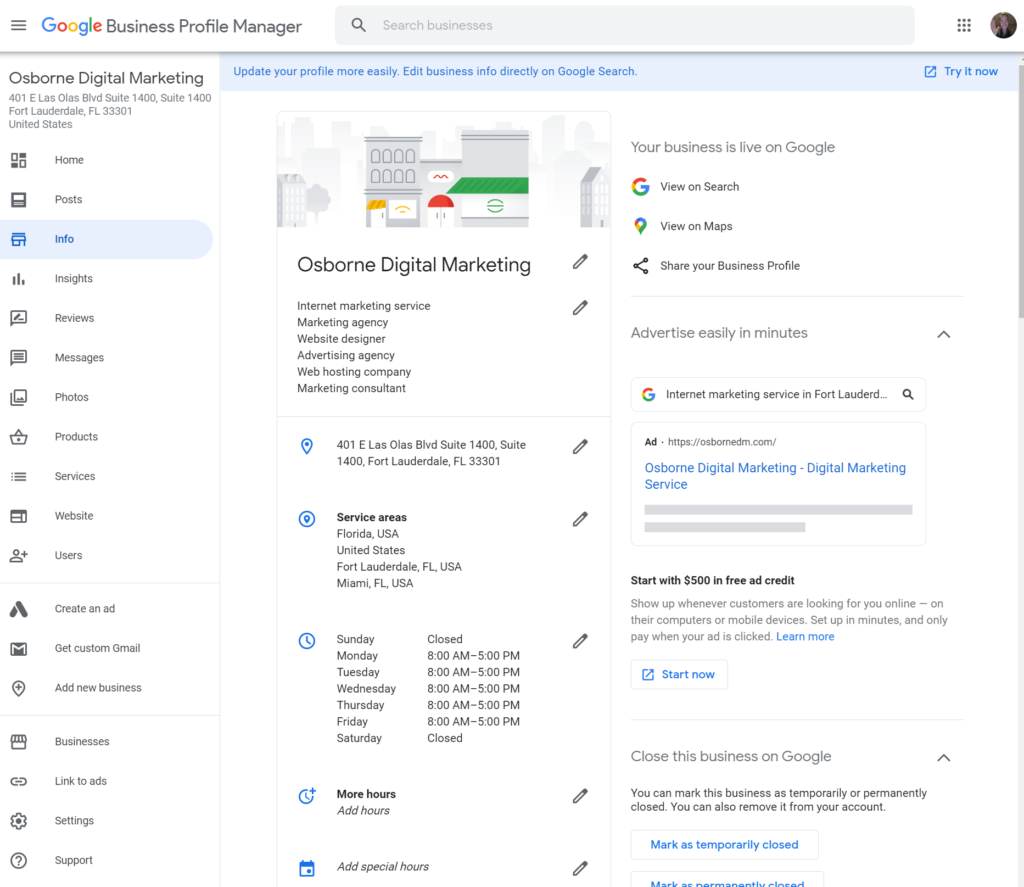
Posts could be used to convey a wide range of data, including:
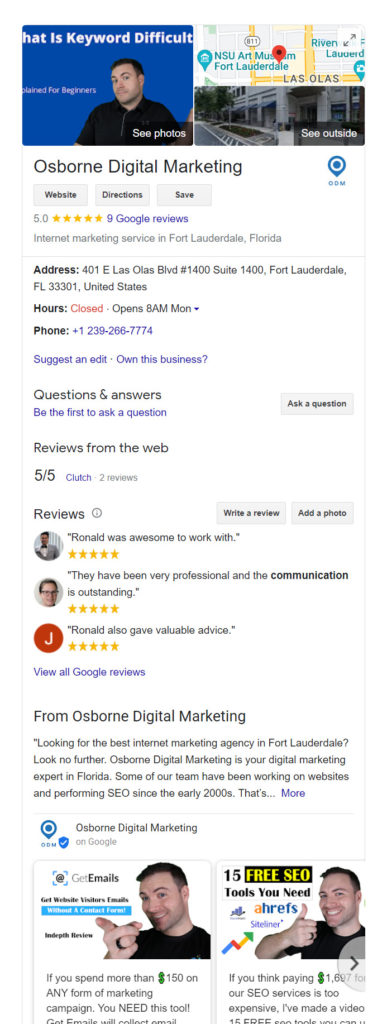
Customers searching for your business can trace you easily through Google posts; these types of posts improvise customers' search experience. Well, it's not a universal fact that all types of businesses will benefit from Google posts, but you have to try different methods to select the best method for your organization. So, why should you give them a chance?
Users will notice your shared post in Google Maps and Google SERPs when they explore your business on Google. They'll appear to the right of the search results in the knowledge graph on desktop and mobile. In the first half of this blog post, you can observe the photographs.
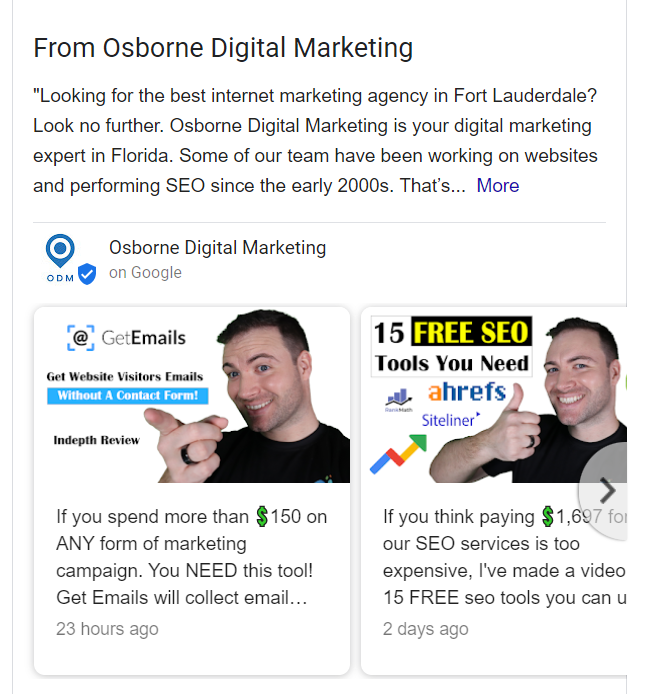
It's simple to post from your desktop or while on the road. Google Business Profile is accessible for iOS devices and Android devices.

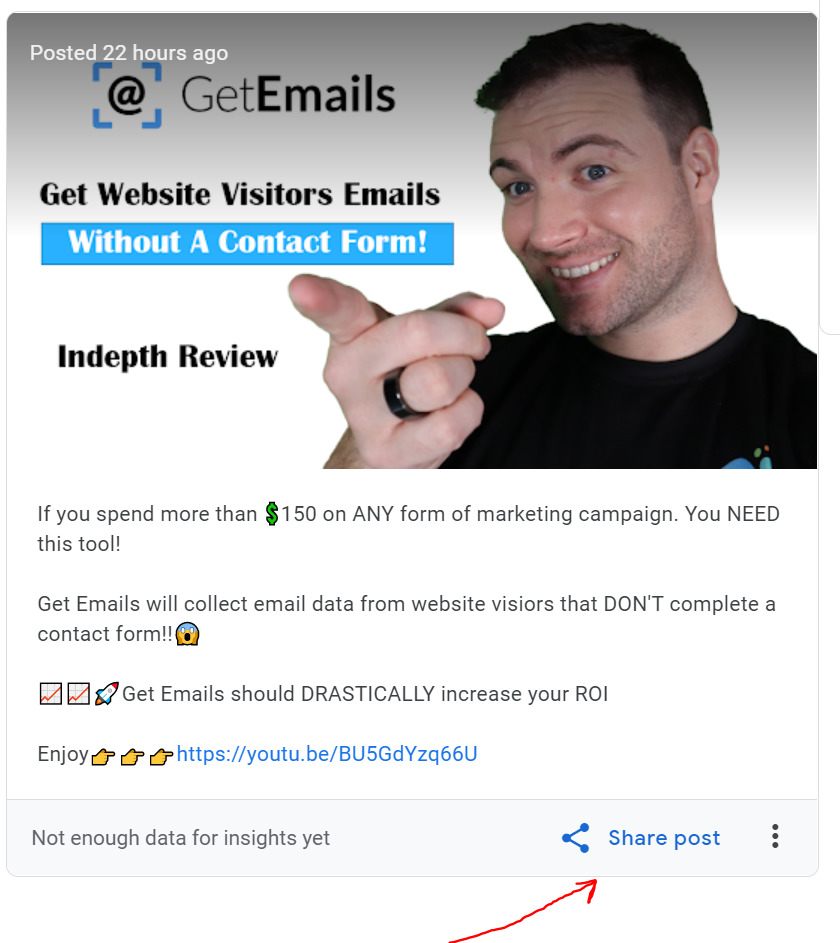
Within a few minutes, your uploaded post will display in the SERPs.
In the Posts tab, all posts will be archived.
Here are some terrific recommendations for business owners for setting up Google Posts that catch people's attention and urge them to click; however, there are some things you should know first.
The guidelines for writing a fantastic action post are similar to those for writing any other sort of advertisement, except for the size and character constraints. Here is a list of the essentials below.
Examine and borrow ideas from blog articles like these and any type of post you come across for businesses that interest you.
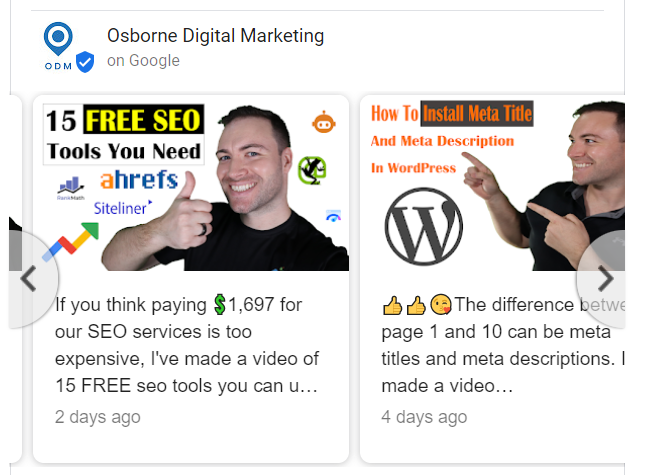
Although it may appear to be a simple task, it is recommended that you use a clear, well-lit photo to make your post stand out and to secure an excellent customer experience and brilliant customer reviews.
JPG or PNG are the two most common image formats.
720px wide by 540px height is the minimum image size that will be acceptable.
Videos can truly make a business stand out in local listings and search results. You may now obtain a competitive advantage by submitting high-quality movies that help you create awareness, increase sales, and showcase a new side of your company. You can attract potential customers through videos, and even a 30-second video can increase your sales remarkably.
Graphical representation, even in the form of a single image, assures you of a great marketing message.
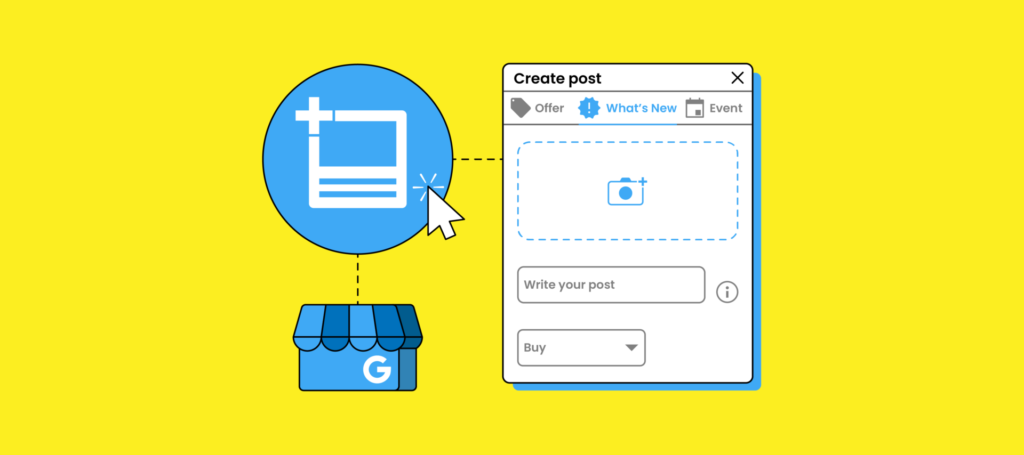
Create a headline that motivates people to take action. "Get Your Free Coffee" is an example of a thorough headline and swiftly informs the user of what you want them to accomplish.
This is an excellent opportunity to apply some of the abilities you gained while writing commercials and a finite number of characters.
Keep your post concise and only provide the information that is required. Google sets the limit of 1500 characters, yet only the first 80 appear in SERPs. Make the most of it.
150-300 characters is a good rule of thumb. However, it has been found that the knowledge graph displays roughly 80 characters (heading included the headline).
"Get Free Download," "Learn More," or "Order now" are all good examples of clear calls to action. Here is a terrific call-to-action guide that includes character counts. With such a high turnover rate on Posts, you'll have plenty of opportunities to try new things.
Sharing useful information and documentation about your local business will assist in improving the relevance and activity of your Google local listing. As a result of this relevance element, users will be more engaged than before. Previously, a Google Maps visitor would see general metadata about your local business, such as hours of operation, ratings, address, phone number, and so on...
You can now extend user involvement with information, photographs, news, and videos with Google Business Profile posts.
The information about your product, service and local business will automatically be included in sharing postings. The more information you offer about your company and its location, the more "location rich" metadata you'll be able to add to your Google Business Profile listing.
And when it comes to local SEO... i.e., SEO rankings or search ranking in Google Maps / Google local search results, this entails increasing the location authority of your local listing.
The more geographic authority you possess, the more local search results for various contextually relevant keyword phrases and queries.
Google provides impressions and clicks data for posts; however, posts do not interact with Google Analytics.
Use Google's URL builder to create a distinct URL with your CTA button to track the effectiveness of your Posts. This allows Google Analytics to learn more about the user, whether they converted after clicking the link in your post or interacting with the website.
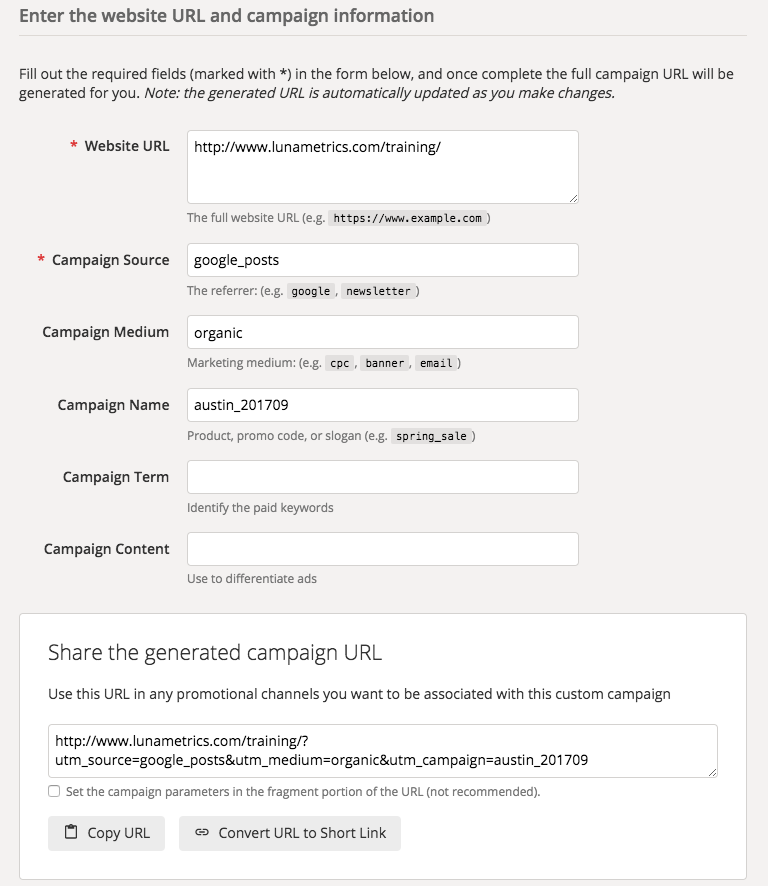
Since consumers are accessing a variety of posts through an organic search for your business, it is recommended to set the Medium to organic. This is entirely up to you for the Source, but you'd like to stand out from a standard Google search via creative social media posts. The campaign may vary between different postings depending on the fresh content, but in the end, it's entirely up to you.
Using Google Posts, you'll be able to bring relevant, timely content to your potential customer when they need it. In addition, by implementing a custom URL, Google Analytics will be able to pull user information about who clicks on Posts, which may be utilized to make advertising and marketing decisions.
This is something that everybody with brick-and-mortar business owners should use. You must have a physical business location and a Google Business Profile page to use Google Posts. This is a brand-new feature, and business owners can use it to deliver more messages to the target audience searching the SERPs.
This can also be a useful tool for firms wishing to take their local SEO efforts to the next level and collect reviews and feedback valuable to progress in the market.
Customers browsing Google will now notice that your coffee shop is less than a mile away and that you have a buy-one-get-one-free scone bargain running all week. So allow them to savor scones and now you know how to create a post for my Google Business Profile.
Duplicate content is a concept you have undoubtedly heard a lot, but what exactly does it mean? And why does duplicate content cost you sales? Simply put, the content that exists in many locations — i.e., URLs — is referred to as duplicate content, and it surely has negative effects on your website's ranking with search engines.
You develop content that uses the keywords you've narrowed down to a chosen handful because you want a top website’s ranking and utilize them again and again on different pages of your site. Unfortunately, you eventually reach keyword cannibalization, and the content you've created becomes detrimental to your site rather than beneficial.
It may seem contradictory, but the more you try to drive traffic to your website using the same keyword(s), the more pathetically it will perform.
It can hurt your rankings, and several people believe that excessive levels can potentially result in a Google penalty. However, this is not the case.
Although there is no fine, having a lot of duplicates or cloned material can cause Google to degrade your ranks and that is one of the reasons why duplicate content costs you sales.

All content present in numerous locations on or off your website is considered duplicate content. It usually has a different URL and, in some cases, a different domain. It usually occurs by mistake or as a result of poor technical execution. For example, your website could be accessible via non-www and www, HTTPS, and HTTP — even both simultaneously. Or maybe your CMS (content management system) has a lot of dynamic URL parameters that search engines don't understand. If your AMP (accelerated mobile page) pages aren't correctly linked, they could be duplicate content. It's all over the place.
There are several ways to tell Google which URL you prefer if your site has multiple pages with virtually identical content. (This is referred to as "canonicalization.")
Duplicate content as defined by Google:
"Duplicate content generally refers to substantive blocks of content within or across domains that either completely matches other content or are appreciably similar. Mostly, this is not deceptive in origin."
That last sentence is crucial. You will be on the dangerous ground if you extract, replicate, and twist existing information — Google refers to this as copied content — in order to deceive the search engine and obtain a higher position.

When different posts or pages on a website compete for the same (or even related) keywords, this is known as keyword cannibalization. The main issue with keyword cannibalism is that it typically has a negative impact on a site's organic ranking.
Assume you own a website dedicated to web design. If you have numerous pages about "2022 latest digital marketing trends," merging them into one in-depth page will almost certainly increase the ranking and traffic of your target audience. Having more than two pages reduces your overall traffic. You're stealing content from your website. No site is immune to widespread internal cannibalism, and every site that uses a subdomain structure may be subject to subdomain cannibalism.
When two things are exceedingly identical and equally attention-grabbing – two movies, two-holiday spots, two delicious-sounding dishes at your favorite restaurant – you can't focus on either.
Fortunately, detecting a cannibalism problem is simple – especially with the correct keyword tools. In addition, there are a few simple strategies to prevent your content from devouring itself.

But, here's the thing: having numerous entries that address the target keyword(s) isn't in and of itself a problem. Keyword cannibalism only occurs when the keyword selection has a detrimental effect on organic search. Pages usually rank for multiple keywords, not just one.
Let's stick with the previous example of two sites optimized for the long-tail keywords "2022 latest digital marketing trends." One of those pages is ranked first in search results, which is fantastic! But on the other hand, the other does not appear in any search results for that term. Because rankings are continuously changing, it's critical to spot instances of keyword cannibalization on your website on a frequent basis.

There are a few problems that can occur if you have a volume of duplicate material on your website, including:
You don't want to end up in this situation, which is why it's critical to be vigilant about duplicate content. That's why duplicate content costs you sales. Although your site may contain some identical or almost identical content, you would like to establish an entirely original website by updating the original post. Julian Goldie once stated that duplicate content will cost you sales becuase your pages will be batteling to rank at the top of the SERP for the same keyword. Resulting in nothing making it to the top.
To detect a significant keyword cannibalization problem, look for many pages that address the same term(s) and serve the same function for searchers. Search intent refers to what a person expects to find when they conduct a search or type a search term, and it usually falls into one of 3 categories:
Cannibalization vulnerabilities are reasonably straightforward to discover for most sites by performing a basic audit. Create a keyword matrix first that will help a lot to reduce the effects of keyword cannibalization. Next, list the main URLs and keywords linked with your site in a spreadsheet. (Thus, stuff like your "Contact Us" page can be omitted.) If your site is too huge for this to be a viable option, you can automate the process by using a keyword mapping tool. You'll enter your website's domain, and then you'll be able to filter and organize the data to find the keywords and duplicate entries you're looking for.
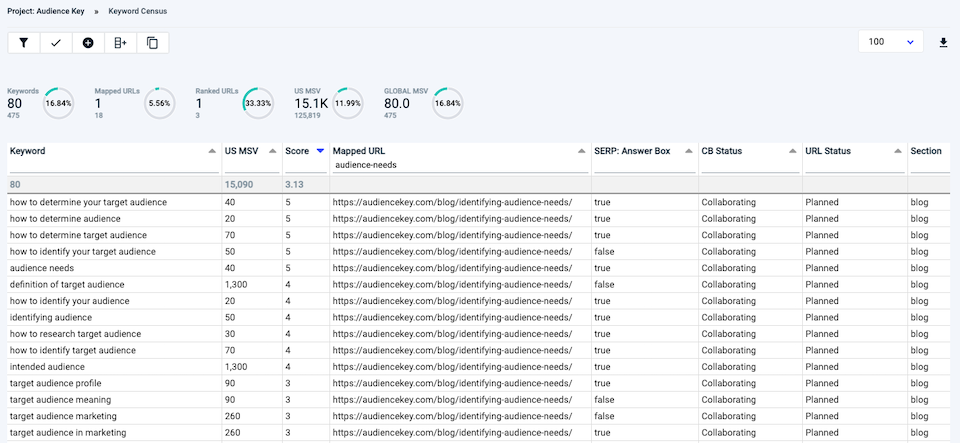
Resolving duplicate content concerns boils down to one core concept: determining which of the duplication is the "right" one.
Content on a site that can be retrieved at various URLs should be canonicalized for search engines. Let's look at the three most common approaches: use Google Search Console's parameter handling tool, the rel=canonical attribute, 301 redirect to the correct URL.
Likewise, instead of pointing readers to a single standard page on the subject, your internal links and anchor text direct them to several pages.
Search engines will interpret this as important information when you possess an internal linking structure that links to your most significant material.
You can select whether Googlebot should scan specific URL parameters independently and choose the desired domain of your website (i.e., instead of http://www.yoursite.com, write http://yoursite.com) in Google Search Console (parameter handling).
Setting up your parameter handling or preferred domain (or both!) could provide a remedy based on the reason for your duplicate content or your URL structure concerns.
The major downside of employing parameter handling as your sole strategy for addressing duplicate content is that your modifications are only effective for Google. Any rules you set up in Google Search Console will have no impact on how any other search engine's crawlers read your website; you'll have to use the webmaster tools for those search engines in addition to the Search Console settings.
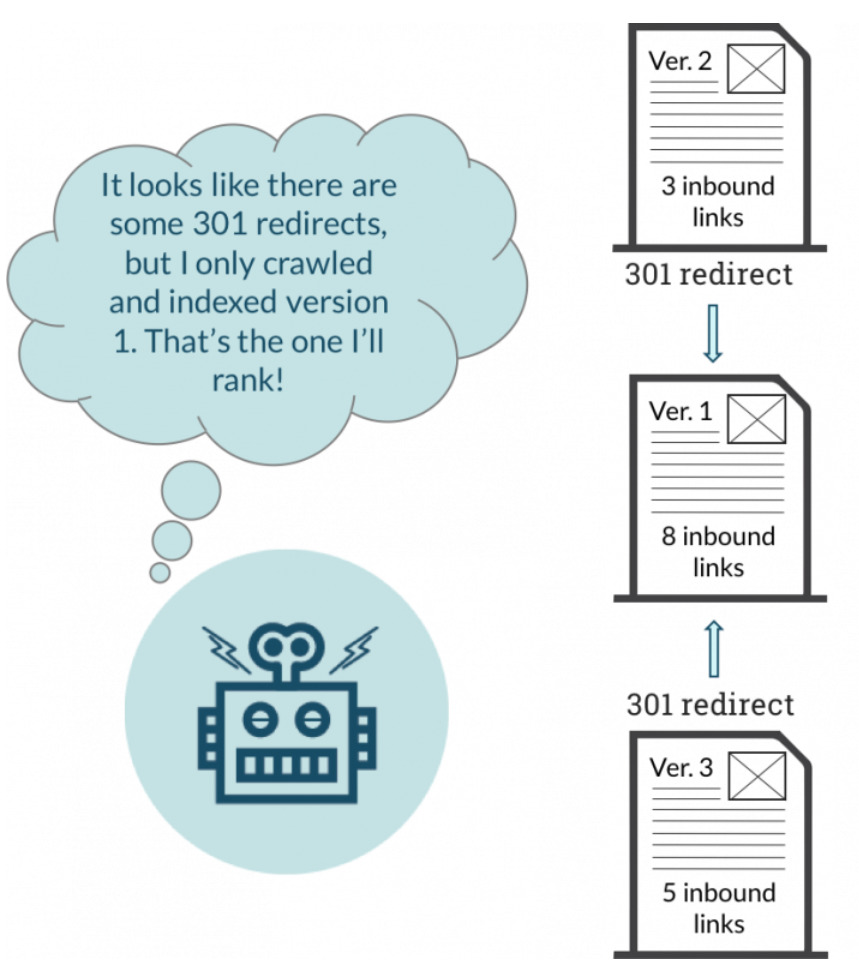
Setting up a 301 redirect from the "duplicate" website to the original content page is often the best strategy to combat duplicate material.
When many pages with good ranking potential are consolidated into one page, they end up competing with each other and provide a stronger applicability and attractiveness signal generally. This will improve the ability of the "right" page to rank high.
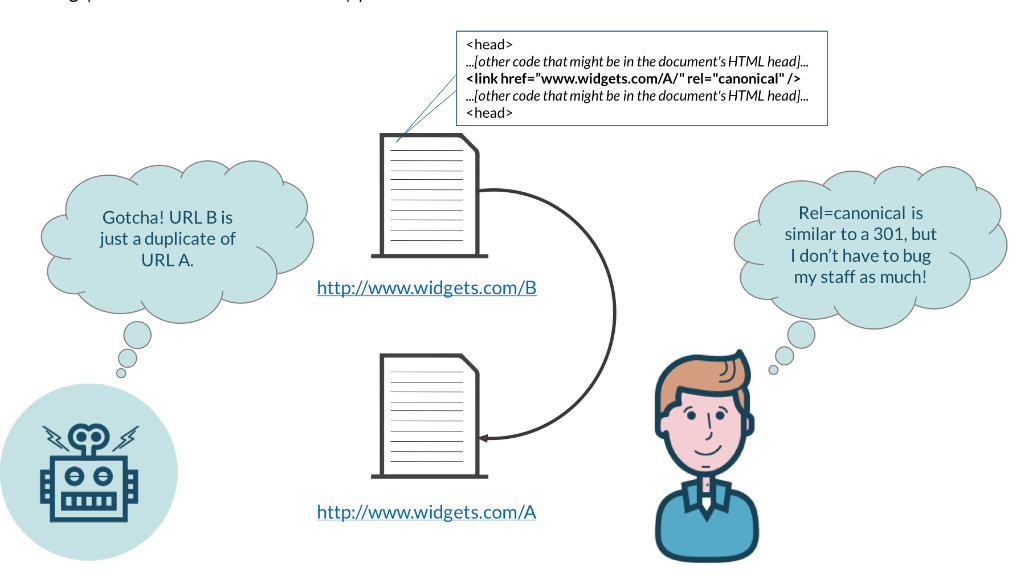
The rel=canonical feature is another strategy to cope with duplicate content. This instructs search engines to consider a particular page as if it were a clone of a specified URL, with all content metrics, links, and "ranking power" attributed to the supplied URL.
The chances of keyword cannibalism increase as your website expands and you generate more content. You may produce two (or more) blog posts that are too identical in search engine optimization SEO methods and content without realizing it. This is frequent when you're writing on a regular basis about your favorite subject or a subject that you specialize in.
Ensure that the target keywords you wish to optimize for already don't appear on some other page of your site before posting — maybe even before writing. After that, compare all you've understood about the page's topic, search queries, rank, and so on. Then, finally, decide to continue or shift your attention to a new keyword.
Consider keyword cannibalization audits a component of your website's regular maintenance. Examine to see if any of your pages are conflicting with each other monthly or quarterly. You could be cannibalizing yourself if you notice a big reduction in ranks for some pages despite producing regular (yet comparable) content.
When it comes to keyword selection, go for a systematic approach and be methodical. Remove the entire post. You most likely utilize Google Search to improve your website for organic search.
Repairing and avoiding keyword cannibalism signals to search engines that you have extensive knowledge of a subject and are an authority in your field. As a result, you'll get more traffic, a higher ranking, and happy visitors and that's why duplicate content costs you sales. Furthermore, if you perform routine keyword audits, you're certain to discover other places where you can improve. As a result, you'll have a more organized website with important content at the forefront.
To summarize, you can remedy the term cannibalization in four ways: re-optimize, redirect, reconstruct as a single in-depth post, or eliminate it.
The Shine Ranker tool was developed by Chase Reiner. An SEO specialist that had enough of the overpriced and inefficient SEO tools that are self-proclaimed as the perfect SEO tool. This article covers an in-depth detailed Shine Ranker review. We cover all the benefits and features of the tool, along with the pros and cons of each feature. We even evaluate the performance of the keyword tool against some well known SEO tools such as SEM rush and Ahrefs.
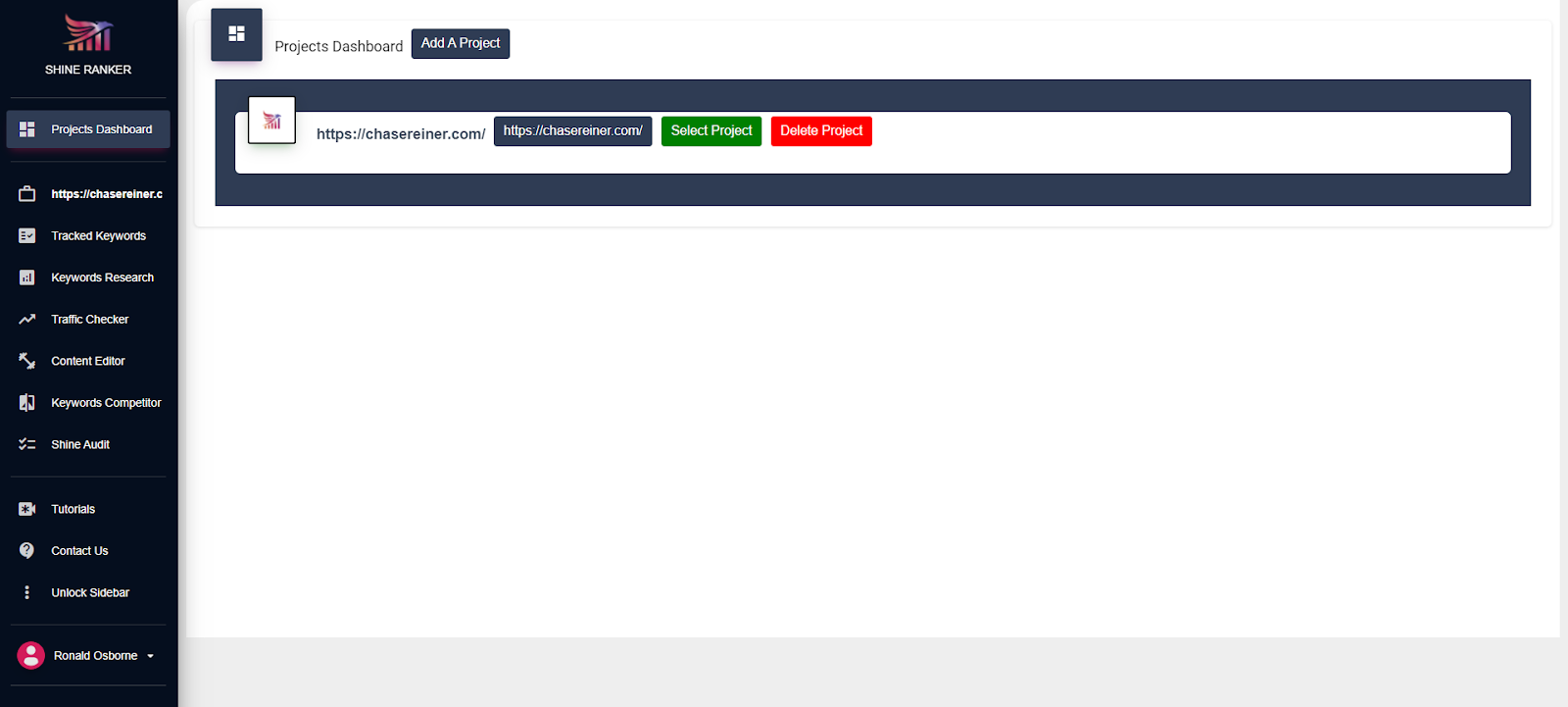
A large positive for the Shine Ranker is the abundance of tools the development team has packed into this new SEO analyzer. Here is a list shortlist of the ways you can use the new tool,
Additionally, Shine Ranker has a tone of tutorial videos that help you navigate and utilize each tool for maximum efficiency.
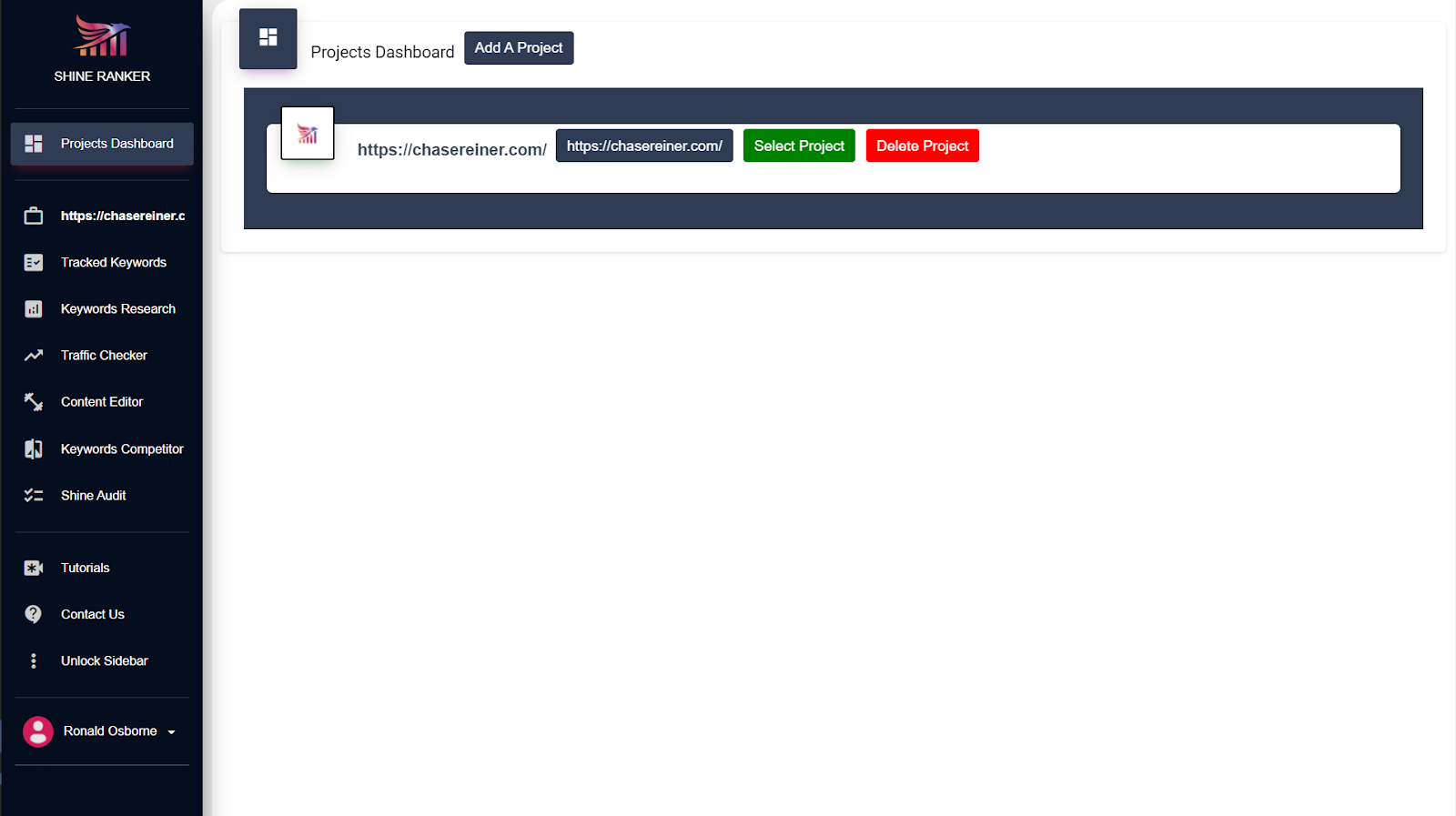
The ability to manage your client's SEO campaigns within your SEO research tool isn’t new. However, most tools place restrictions on the number of client sites you monitor. At the time of writing this article, there is no restriction on the number of clients you can manage within the Shine Ranker tool. Uploading a client's site into the tool is a simple and effortless process. You simply click the “Add A Project,” and insert your client's domain.
The traffic checker feature enables you to enter your client's domain and determine a keyword's current and previous rank, whilst identifying the search volume for that keyword. We like this feature because it is simple to use and the detailed user interface doesn’t become so overwhelming.
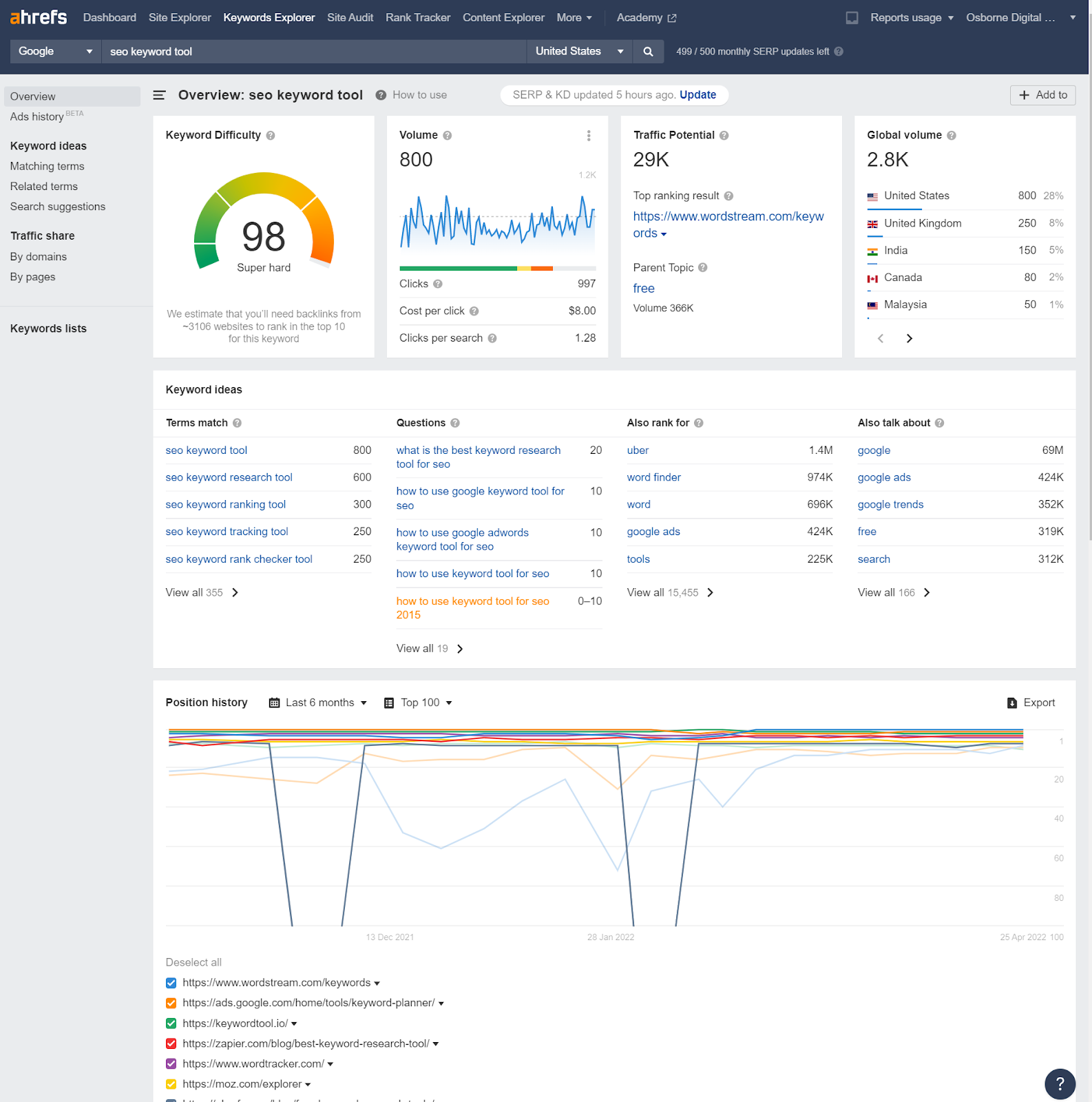
When we compared Shine Ranker against SEM Rush and Ahrefs, we discovered that Shine Ranker has identified the lowest volume of keywords that could be generating traffic for the site. Ahrefs identified a total of 255 keywords that could bring Chase’s website visitors. However, when it comes to SEO tools identifying keywords that identify domain traffic, all SEO pros know that these tools can be inaccurate and should be taken with a grain of salt. Especially as the results from SEM Rush were almost the same as Shine Ranker's results. Perhaps Ahrefs is overcompensating the domain's keywords.
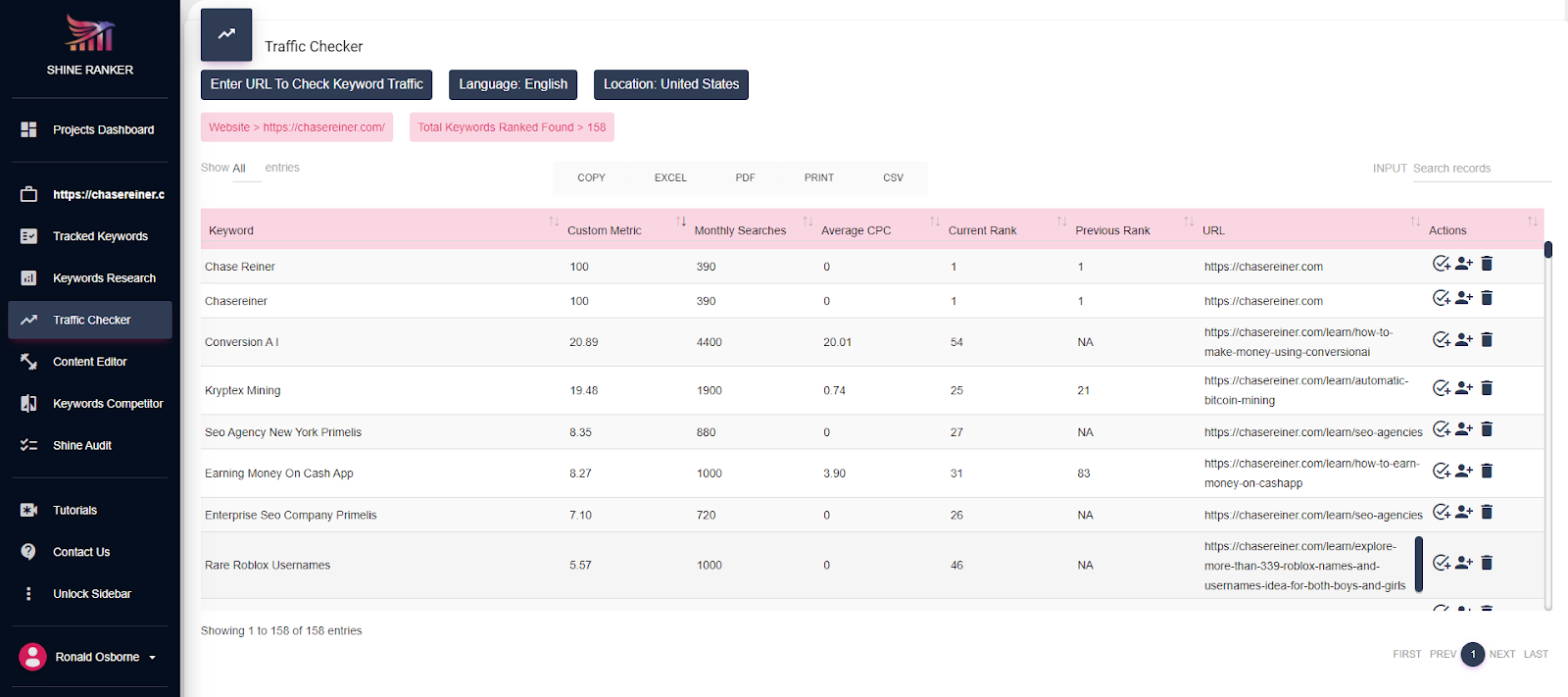
When we audit Chase Reiner’s website with the Shine Ranker tool, it shows a total visible 158 keywords displayed. The keyword traffic checker also displays the positions of those keywords currently. We believe the Shine Ranker needs improvement because there is no easy way to identify the total number of traffic visitors a website might achieve with its current keyword ranking. Including this feature would make it easier to picture the overall traffic these ranking keywords bring in.
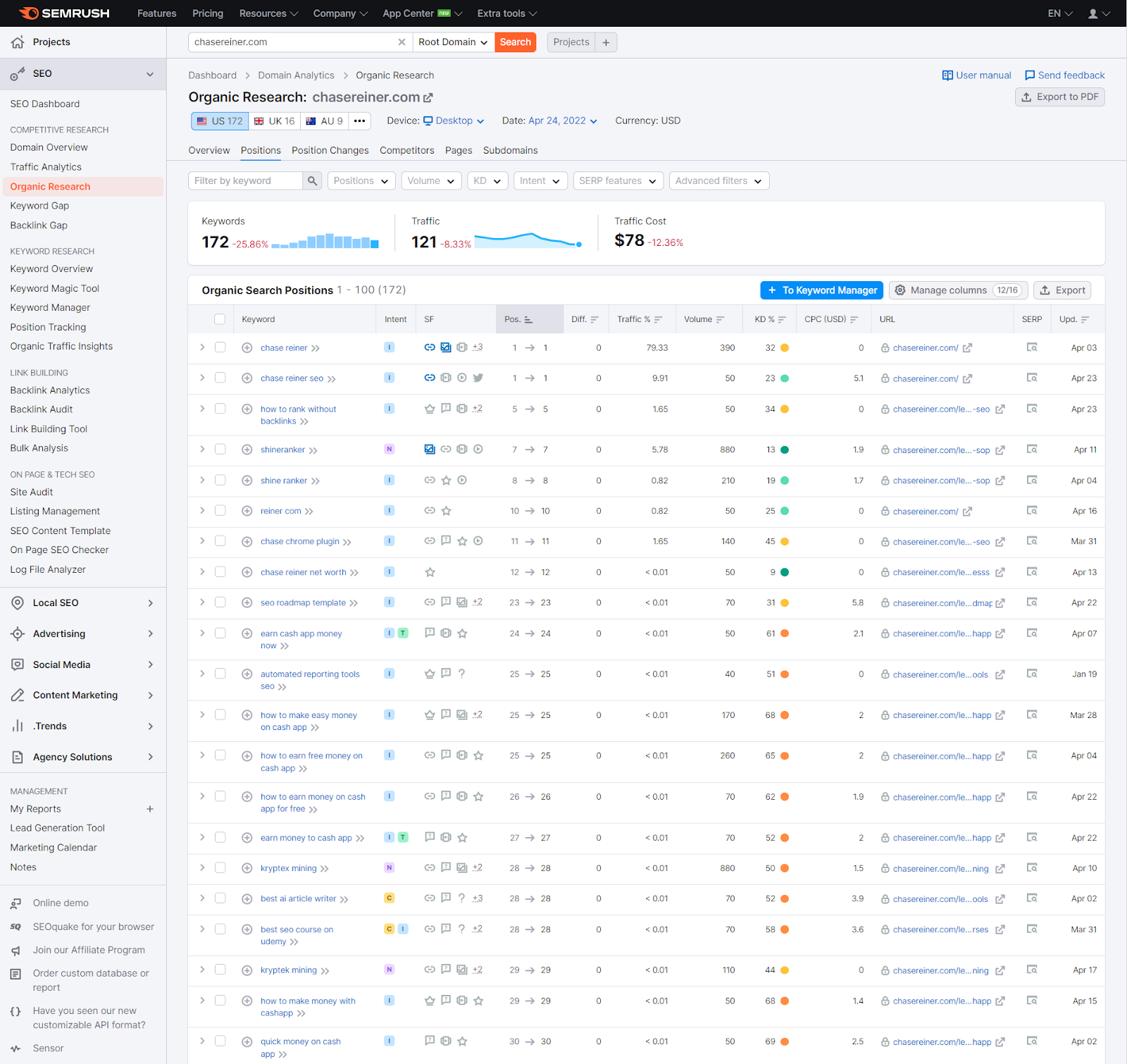
SEM Rush doesn’t appear to be showing a drastically different volume of keywords when compared with Shine Ranker. SEM Rush identifies a total of 172 tracked keywords.
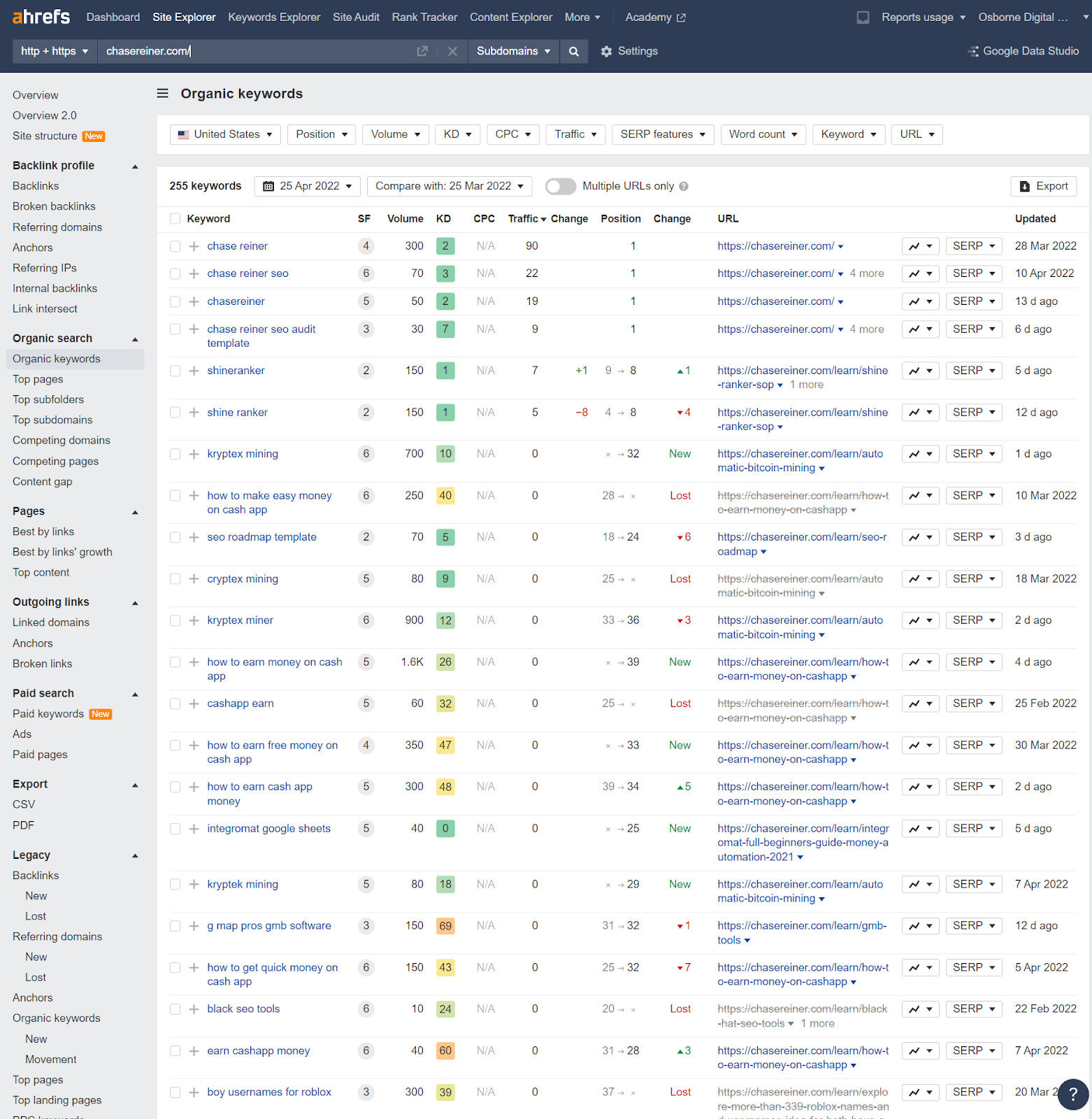
Ahrefs shows a significant increase in keywords that Chase’s domain ranks for. A total of 255 keywords were identified by Ahrefs.
This SEO tool has what is known as the Shine Audit. The name variation is due to the unique abilities this website audit tool is composed of, such as determining if the website has Google analytics installed and if there is an SSL certificate. These features are powerful tools if you’re auditing potential clients' websites. Another plus for the lead gen option.
The SEO audit is very similar to the layout of Screaming Frog and provides that amount of in depth detail. However, the Shine Ranker SEO tool outperforms Screaming Frog with its ease of use and its ability to export all URLs effortlessly.
We believe that the Shine Ranker is miles ahead of the competition when performing SEO audits. Sure, Ahrefs and SEM Rush go down an extra level, but the Shine Ranker shows you all the essential information that would impact SEO keyword rankings. Such as ensuring the H1 on the page aligns with the SEO keyword title. Search engines have been changing titles that do not match the page, which can significantly impact your client's click-through rate. This small but significant feature allows you to assess each page of your client's site effortlessly.
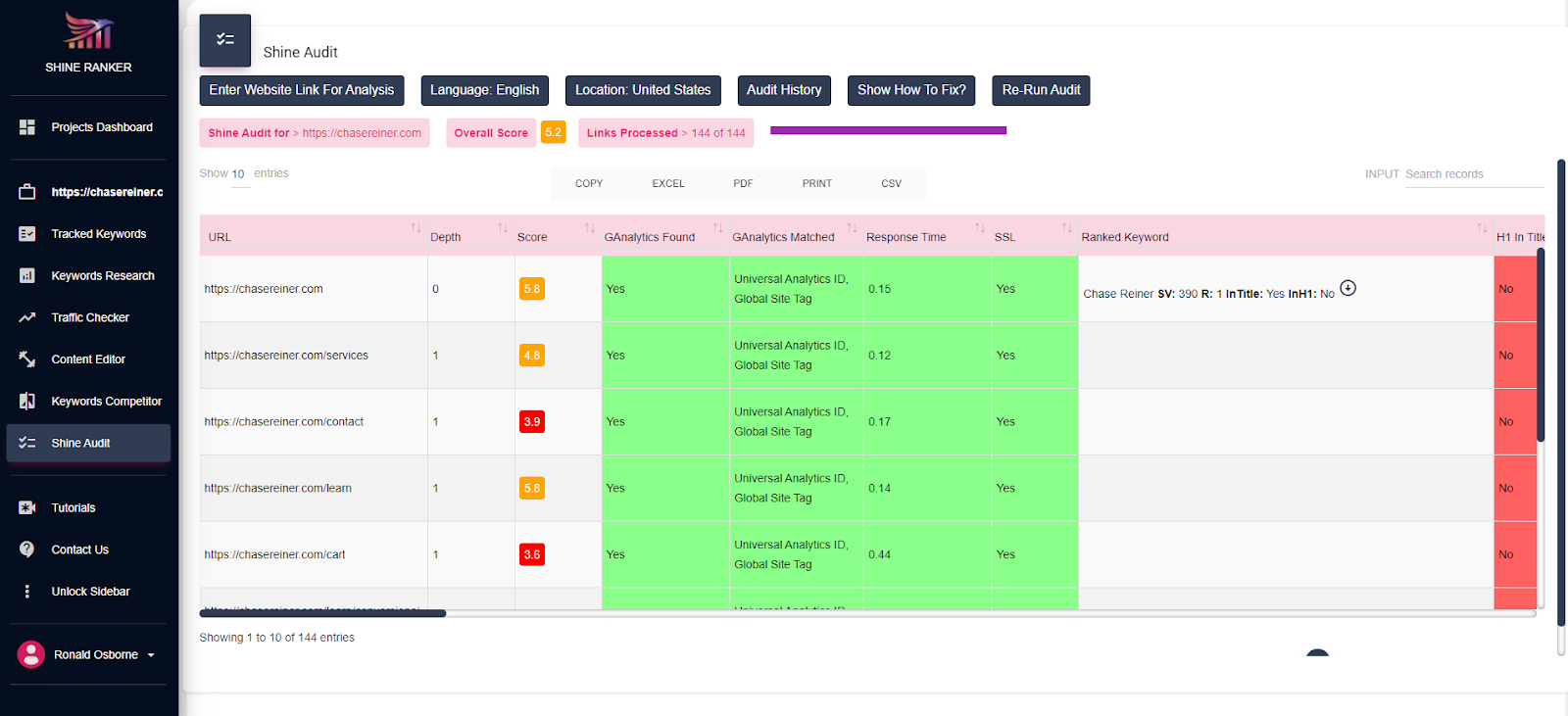
You’re probably here to see how the keyword research tool stakes up against the competitors and we will be sure to show you just how well the SEO keyword tool performs. For the purpose of assessing the SEO tools, we will use the keyword phrase: SEO Keyword Tool.
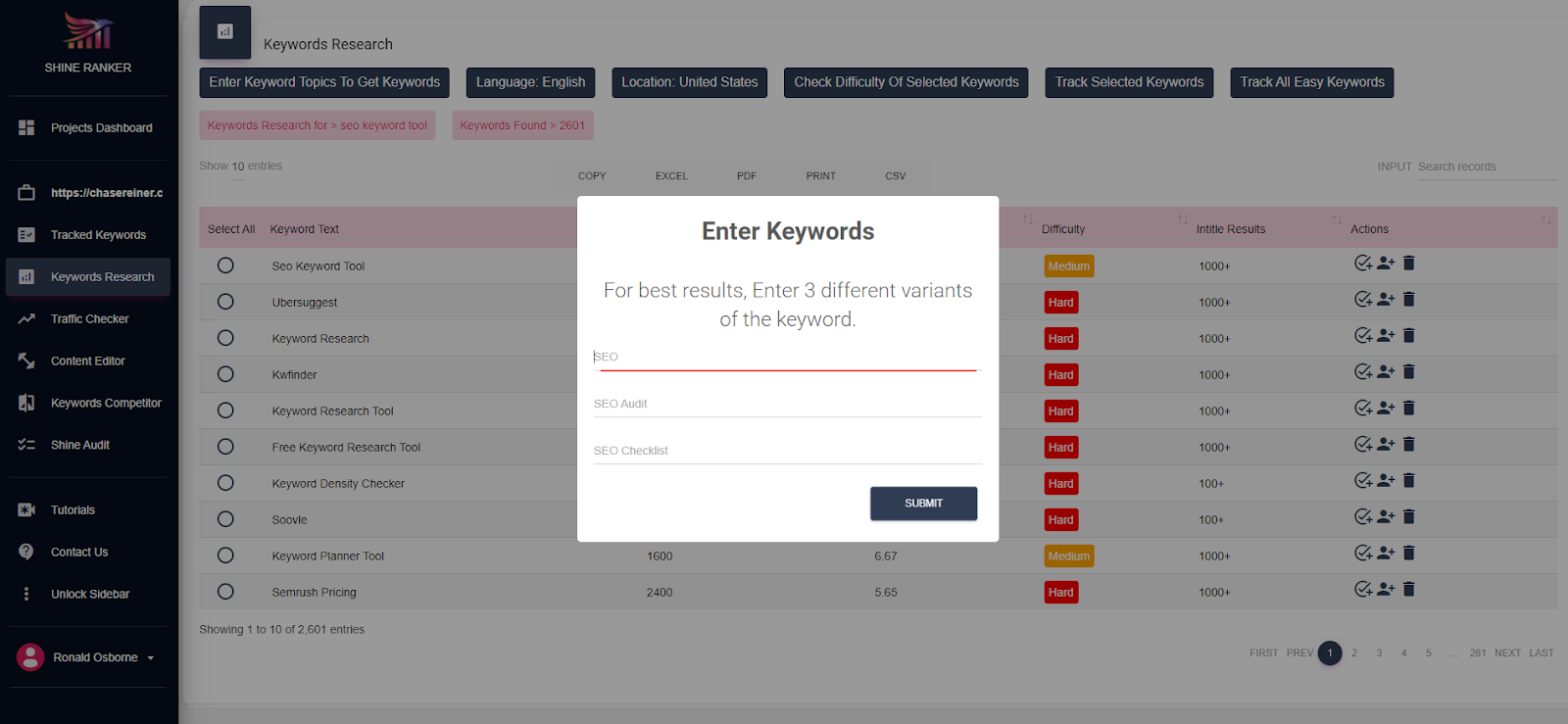
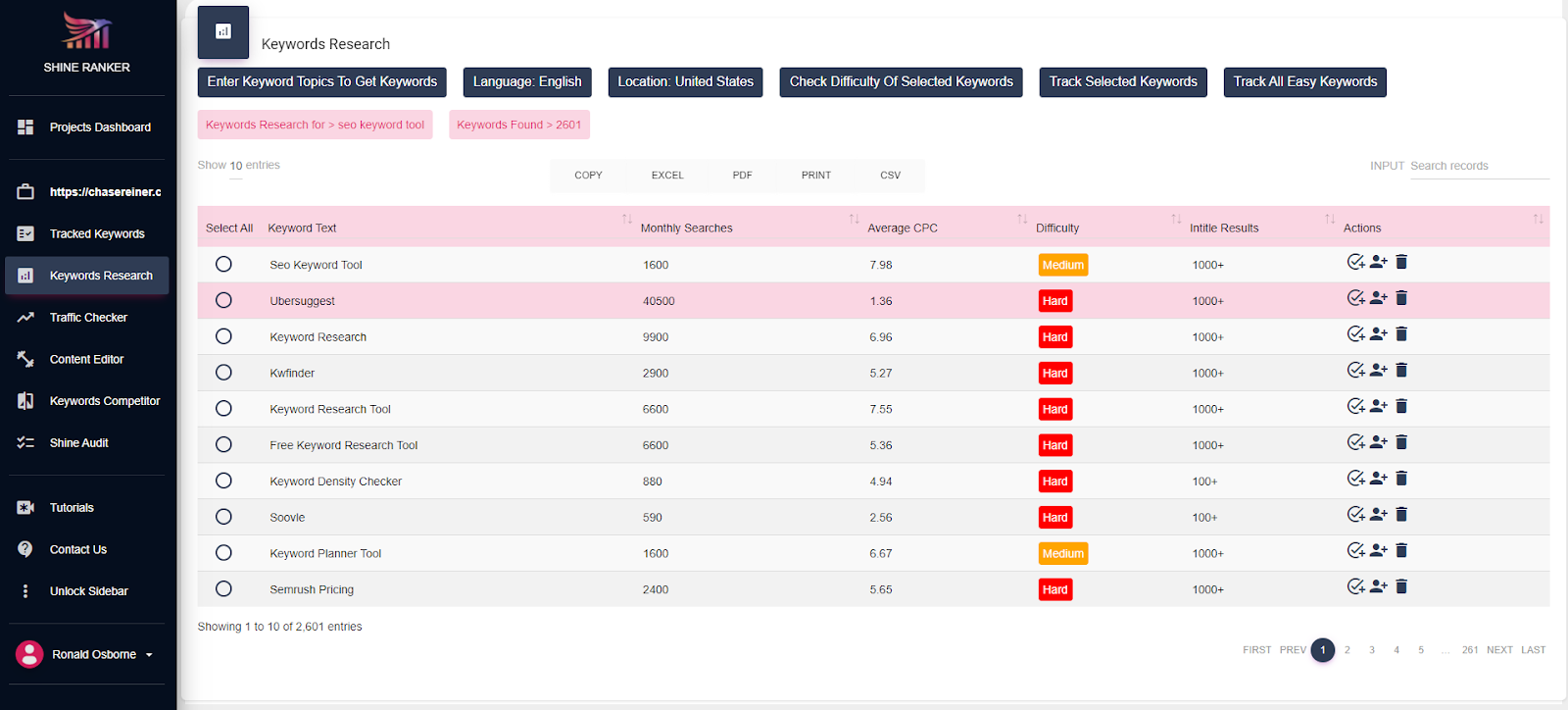
Chase’s SEO tool gave us average monthly searches of 1600 and medium difficulty. How does the tool calculate the keyword difficulty? Shine Ranker utilizes intitle results to determine how difficult the keyword may be to rank for. This approach is similar to the golden keyword ratio. Where the higher volume of monthly searches and lower intiles results, will provide you with a favorable keyword to utilize in your SEO campaign. Additionally, you are able to assign the keyword you just researched (and all the relevant keywords) to your client's project.
The famed keyword tool had a monthly search volume of 800 (US Based) and an extremely difficult keyword rating of 98.
SEM Rush has a total monthly search volume of 1900 and a difficulty of 100% which places you in the next to impossible category to rank for.
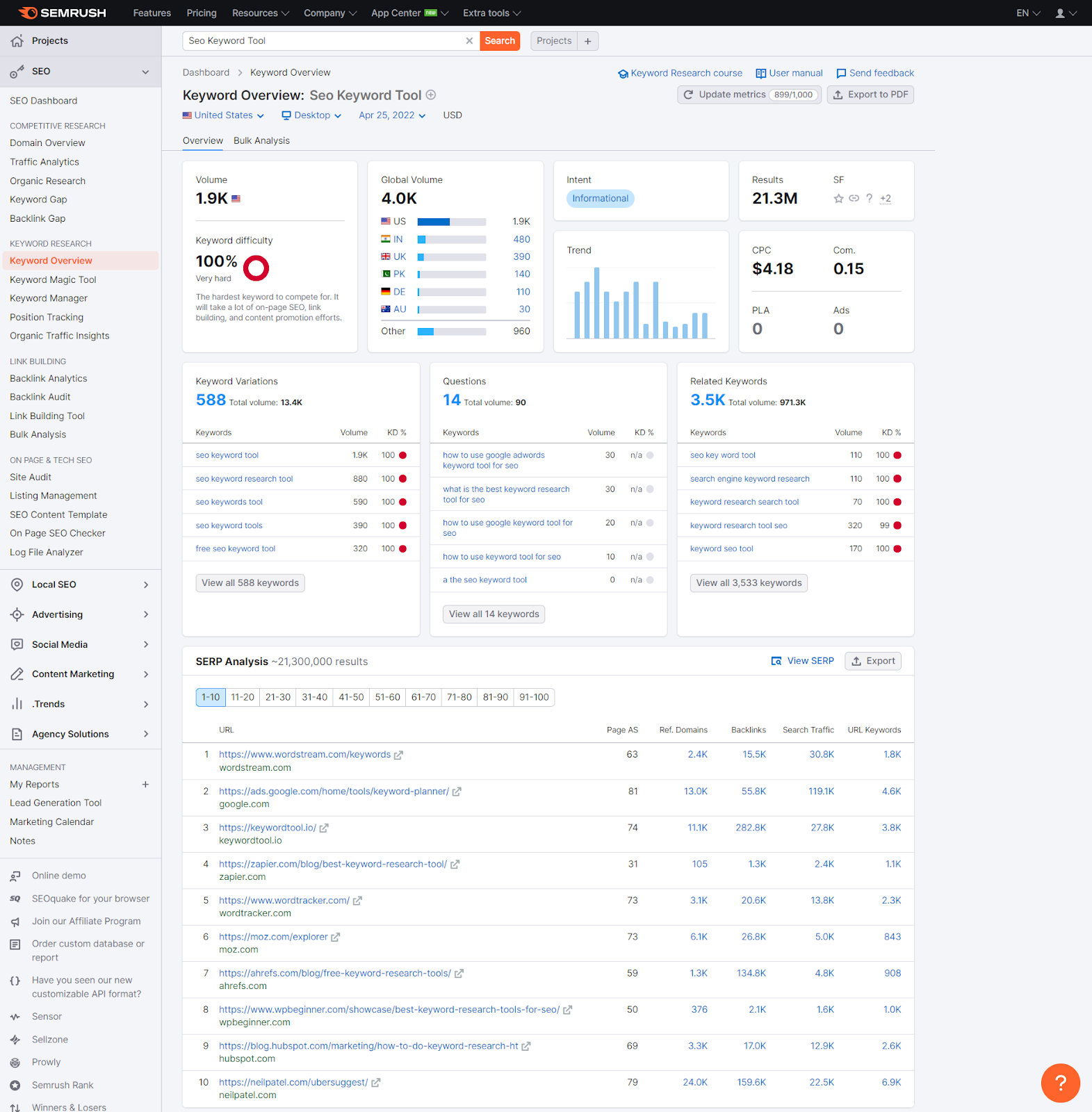
It appears that all three tools have indicated that SEO KEYWORD TOOL is next to impossible to rank for. However, Shine Ranker did seem to give a glimmer of hope. The Shine ranker keyword research tool appears to be very closely aligned with SEM Rush. Their results have been very close when analyzing domains and performing keyword research. The intitle result that Shine Ranker provided, we believe, paints a more accurate picture of determining how challenging it would be to rank for a specific keyword. Why? Because the tool gives you several how many other people have put SEO effort into creating content around the keyword you are researching. Knowing information like that can make or break an SEO marketing campaign.
One of the newest features of the Shine Ranker Tool is the content editor. The content editor is similar to Surfer and Fraseio. You enter a search query that you want to create content for, and then the SEO tool searches the top ten results and pulls the keywords you should place within your post if you desire a shot at ranking on page one of Google.
The tool has a handy gauge that will increase as you write out your post to align with the content editor's recommendations. Like other tools such as Frase, the content editor will reveal how long your content needs to be, how many images must be embedded within the content, and how many heading and paragraphs you will require.
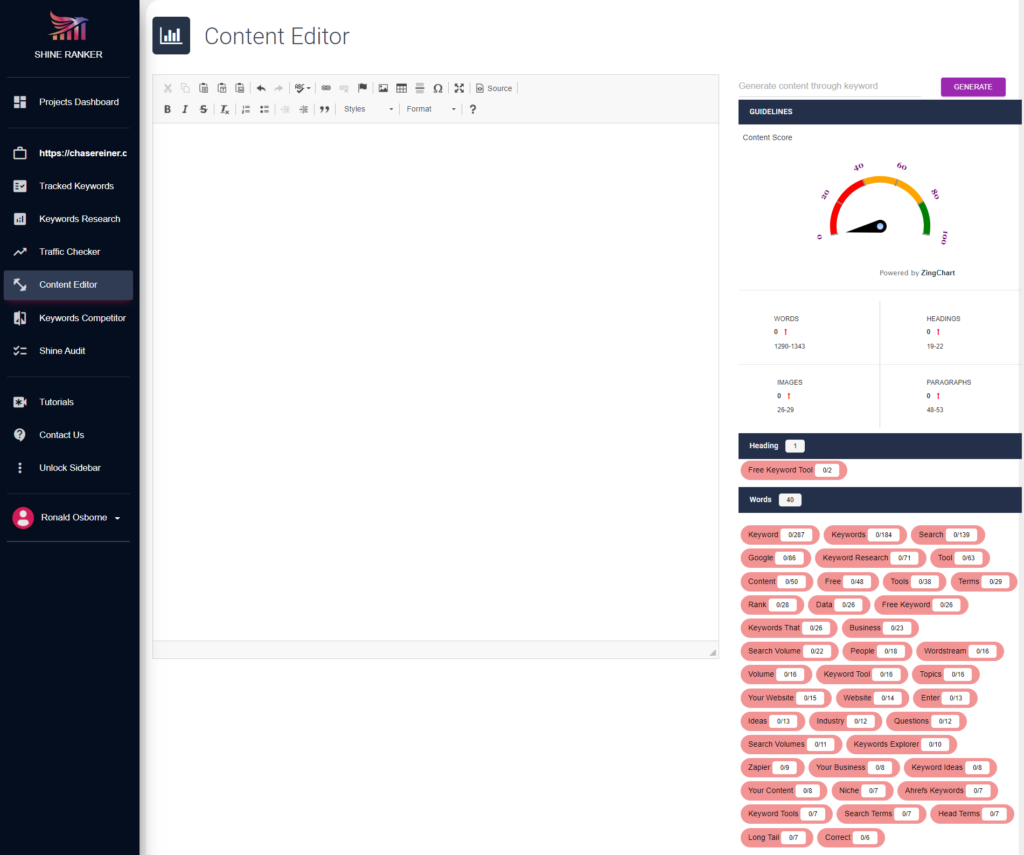
With AI technology increasing, it was the correct choice by Chase Reiner's team to incorporate an AI content writing tool into the Shine Ranker. As with many AI tools, it is not meant to do all the work for you. As you can see below in our picture, only one small paragraph is generated when we type in “SEO Keyword tool.”
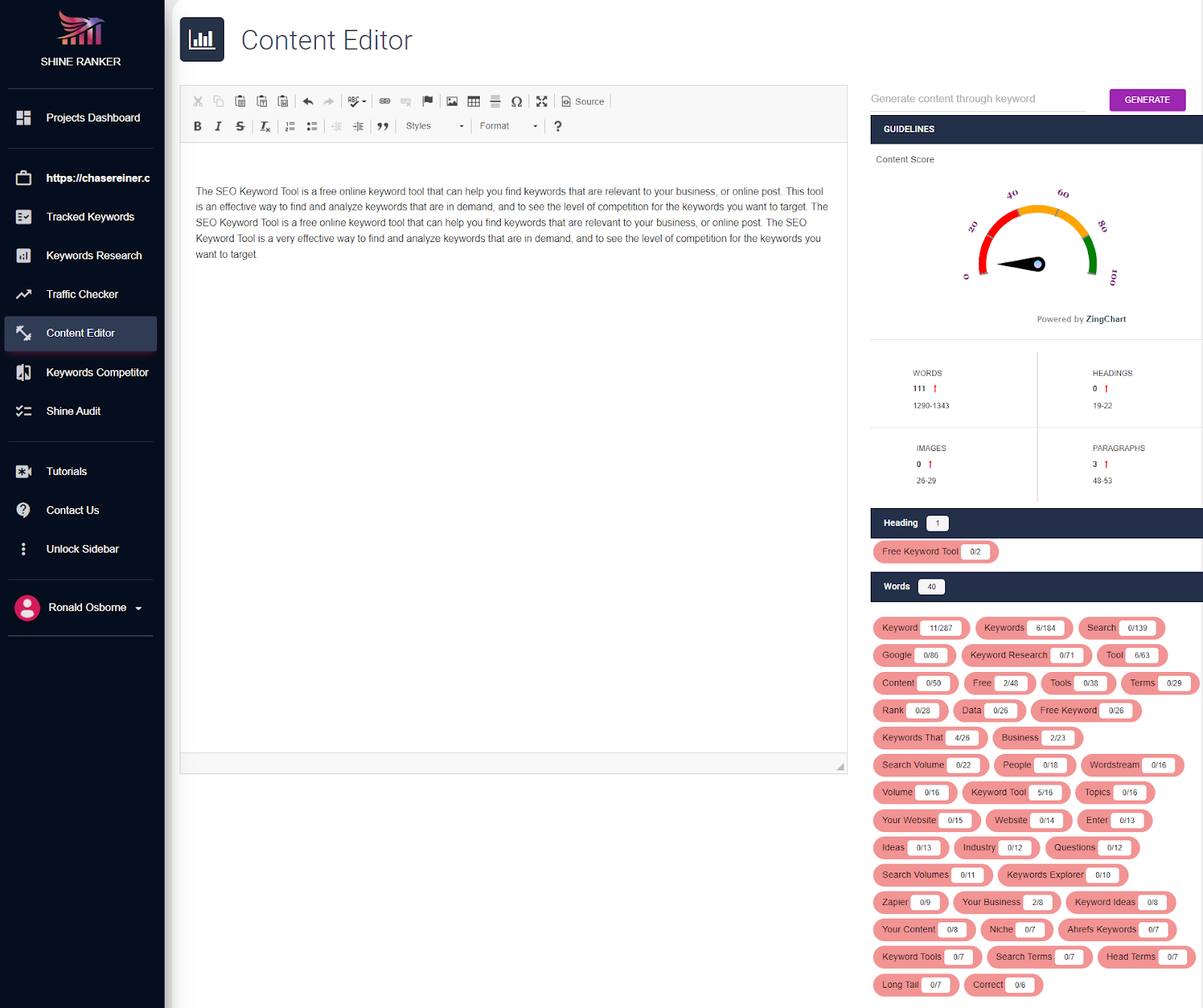
When we entered the keyword phrase we have been targeting throughout this review, the AI generator created one whole paragraph. The content generator wouldn’t generate enough content for you to enter in one idea and try to have an entire blog post written by the AI tool.
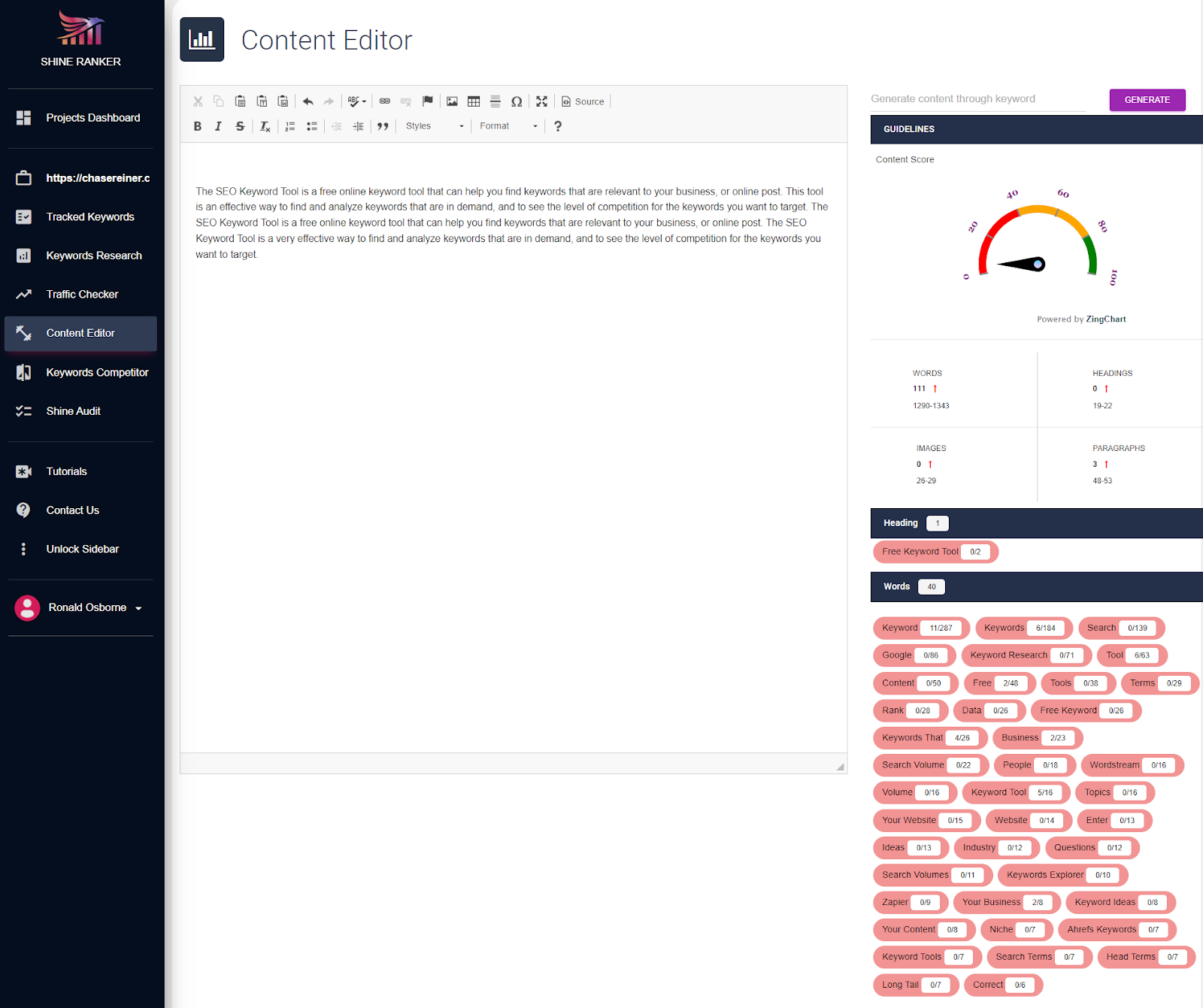
What we did was take several other key phrases and enter them into the AI generator, creating small content snippets for this AI article. As you can see, the tool did create a tone of content that was based on each entered phrase. This process also increased the content score as we now have a total score of 20.
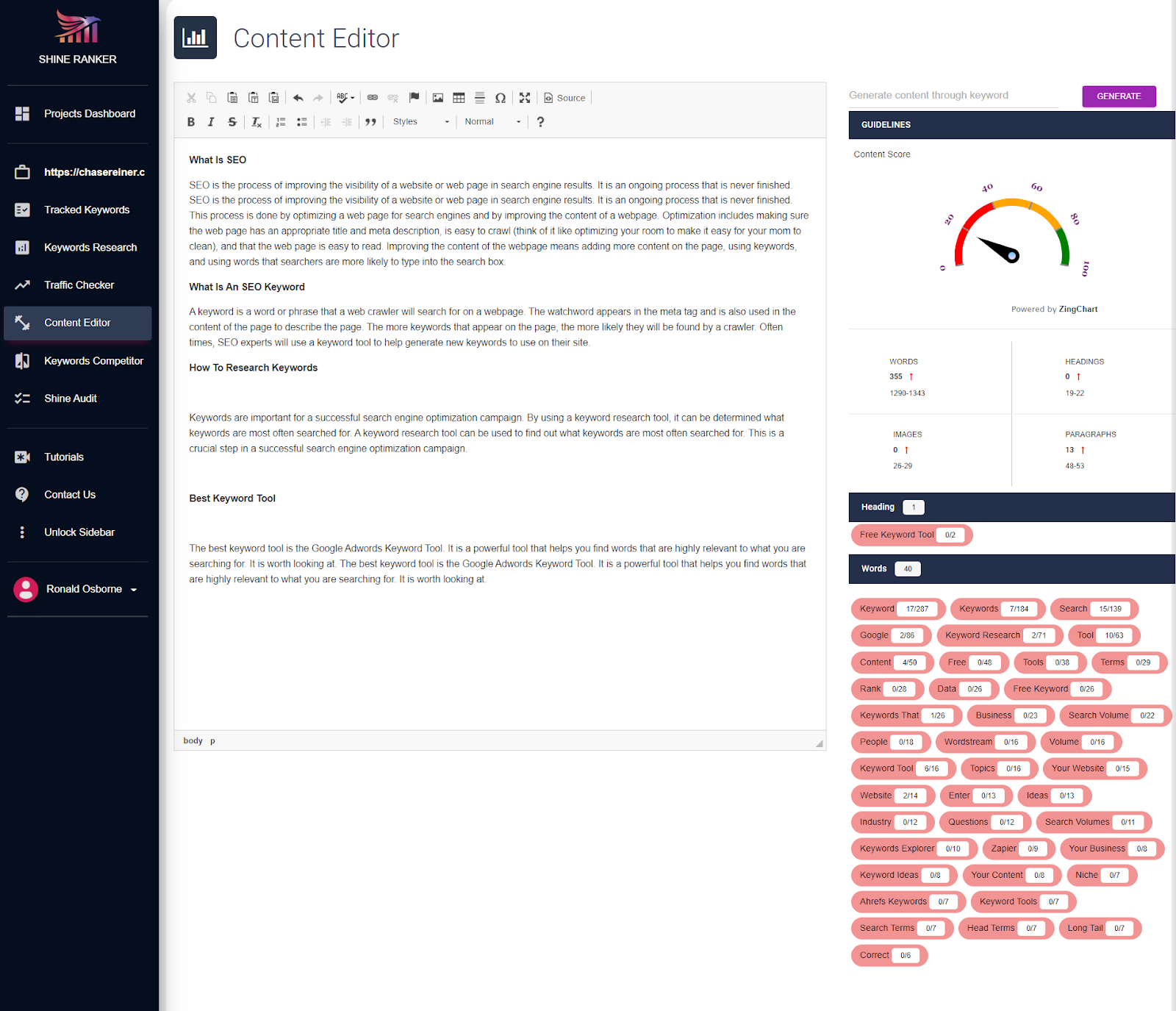
The fact that this tool allows you to generate significant AI content for FREE is a powerful motivator to utilize it. The content editor offers you insight into your competitor's articles without performing timely, individual SERP research. Like all AI tools, their results are just not there for you to use this content in a blog without editing. There is a lot of content fluff and self-repeating that AI tools tend to do. The great thing about the content editor is the layout and the ability to edit all content within the post. Additionally, you can perform all of the keyword research and share a link with a writer. This will help cut down on miscommunication and your writer will be able to understand what is expected of them for a successful piece of content.
The challenge with using any new SEO tool is adapting to how it performs its operations. Thankfully, the Shine Ranker team has thought ahead and created insightful video tutorials on how to operate the features. All topics are covered by the team, and they have put extensive effort into creating a fast responding and supportive team.
There are a few cons to consider for the SEO tool. Being honest for the price, we believe you can’t go wrong. However, some minor details would help Shine Ranker compete against the most powerful SEO tools.
Any digital marketing agency or SEO technician should consider investing in the SEO tool. A significant amount of analysis shows that the Shine Ranker performs incredibly well. Chase has been promising consistent improvements to the tool, and so far, he has been delivering on his promises. This can be only good news for supporters of ranker Chase Reiner.
Shine Ranker has two pricing options. The first one is a monthly fee of $75 or an annual payment of $354. Shine Ranker is incredibly well priced for the features it offers. There is no comparable tool on the market for this price. A standard SEM Rush subscription is charged at $229 per month. Significantly more than Chase’s tool. Additionally, there is a free ten day trial period for Shine Ranker.
The Shine Ranker SEO tool is a powerful asset for any digital marketer. The tool performs keyword research close to its largest competitor and, in some cases, provides significantly more data on keywords and phrases than the most prominent players. The intitle utilization is a brilliant way to determine the competitiveness of a keyword, which is why our team consistently uses it.
For the price point, there isn’t a better tool for SEO techs. $354 annually or $75 per month is significantly cheaper than its competitors. The volume of value the tool offers is too good to pass up, and if you're still unsure if it is the right tool for you, there is a 10 day free trial. At the same time, some items need improvements, such as the AI content generator and creating a backlink assessment tool. The Shine Ranker is a perfect, inexpensive tool for beginner or experienced SEOs.
The entire quality of your brand's imprint throughout every communications platform and each group of your potential customers are best defined as corporate reputation. Your company's reputation is the combination of how external and internal stakeholders perceive and feel about your brand, cultivated over time. Finally, how people engage with your company today and in the future is shaped by its reputation.
The following are some of the most significant influencers on your company's reputation:
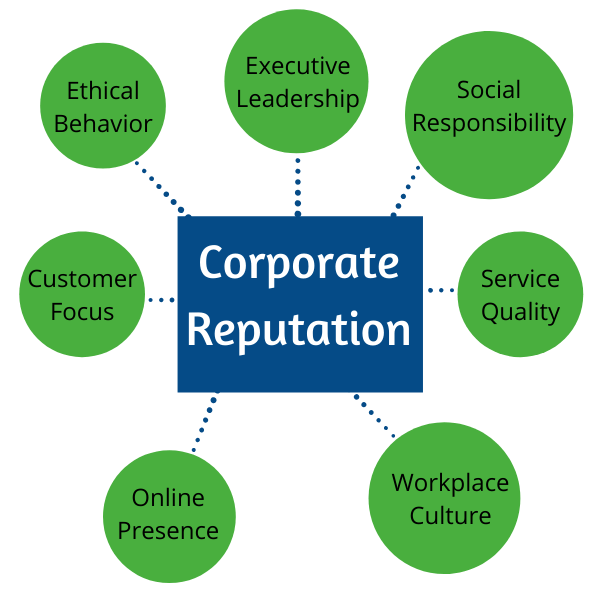
The opinion of other organizations and consumers for your company is summarized as business reputation management. It defines your position in the market and also drives your brand interactions. This corporate reputation helps the stakeholders to examine your flaws, assess your capabilities and determine to which extent they can be involved with your business. It's much more difficult to attract new consumers, create customer loyalty, or discover the expertise you desire to manage and innovate a proper implementation if you don't have a good corporate reputation. A positive corporate reputation includes integrity and inspires consumer confidence. Enhances your online and in-person presence in your business. Upholds your brand in the event of an attack or crisis. Attracts potential top-tier employees and boosts staff retention. Enhances the reputation of a business that suppliers, partners, and vendors desire to work with.
There is no price that one can pay to build a positive reputation for their company. It secures the potential employees, customers, and executives to lead your business to never-ending growth.
However, due to negative online reviews, social feeds, bad customer comments, and discussion boards, your favorable brand perception can swiftly develop into disastrous public relations. It can easily damage your company's integrity and leave you empty-handed.
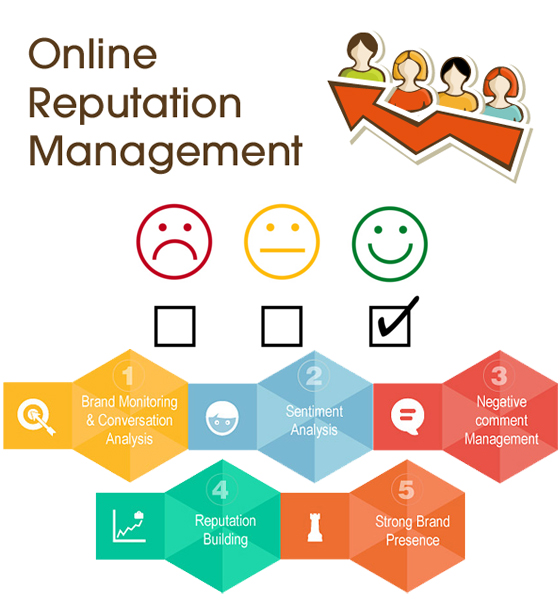
Any action your firm takes to repair reputation harm and develop a strong, positive, and profitable online presence is referred to as corporate reputation management.
In today's competitive digital world, a complete corporate reputation management plan is essential for growing and enhancing your company's online exposure in search, creating brand authority, enhancing consumer emotion, and distinguishing in your industry.
A meaningful and comprehensive brand reputation management strategy should include the following elements:
Corporate reputation management isn't something that happens overnight or that you can complete once and then move on to the next item on your schedule.
Repairing and restoring a company's image is an ongoing effort requiring a major investment of time, resources, and experience to guarantee you're sending an impactful and authoritative message to your target audience every day.
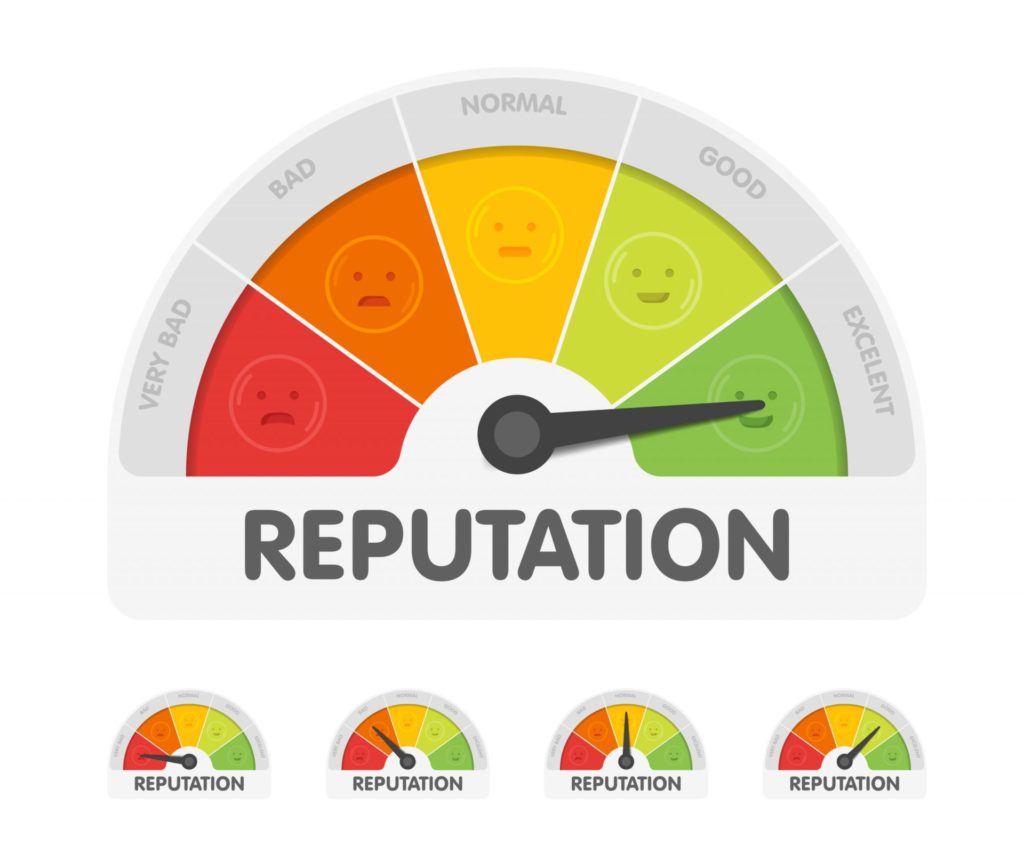
To maximize opportunity and avoid online disaster, you must develop an effective company reputation management approach. That can combine the evolutionary approach, practical approach, scientific approach, and analytical approach.
Take the following actions to assess and manage your company's reputation:
Responding to a negative review or selling your brand on social media aren't the only ways to manage your company's reputation. Instead, it's all about increasing your brand's durability, exposure, and influence across all aspects of your internet persona. And doing so in such a way that your opinion and integrity are preserved and supported throughout the process.
Another thing you need to be aware of in 2026 is the fact that a lot of AI bots are actually just scraping review platforms and compiling that data and outputting it compared to accurately assessing each review by its case. If your business were to get a negative review on a review platform that one of the AI bots considers more reputable and more important than Google or Facebook, your business could suffer. That's why the team over at Senior Living Mastery are constantly employed with crisis management for assisted living facilities and reputation management for assisted living facilities because those types of businesses are drastically impacted when one person has a bad experience. And now with AI, writing a summary of the reputational understanding of a business, it's laying waste to these businesses, these assisted living facilities.
This approach is not only time-consuming, but it frequently necessitates the collaboration of several individuals from other fields, including:
Although you may be compelled to do it alone, it is ideal for working as a team to develop a good corporate image across all layers of your internet presence. For example, suppose your company image management action plan isn't guided by the correct amount of experience and staff. In that case, you'll likely miss out on significant opportunities and leave your company open to assault, resulting in difficulties that become expensive over time.
Do you have a complete understanding of the scope and impact of your company's online reputation?
Your online footprint is likely larger than you realize. Your staff will have a far better picture of the size and reach of your brand on the web after having a complete brand-related search on every social media platform. They'll also get a more solid image of blog posts, comments, complaints from search results, and social mentions in all social media profiles that have an impact on your reputation's quality.
Information is really valuable. Your high-volume search terms with your team won't be able to establish a lasting or comprehensive brand equity management strategy—or the favorable company reputation needed to produce more profitable outcomes—without an in-depth study and synthesis of your brand's web data.
It's not simply smart business to know how you stack up versus your competition. Instead, studying your competitive environment is an important part of corporate reputation management since it gives you a unique view of your brand's strengths, shortcomings, business goals, and online opportunities that you might otherwise overlook.
A competitive reputation analysis looks at how well top rivals perform for high-volume search phrases and how well they perform overall. But also how they appear on big social media platforms their presence in search and online review sites. It can also provide useful, actionable information about your competitor's brand messaging consistency, current levels of brand recognition, and the quality of sentiment they're producing among key segments of your target audience.
Using KPIs and insights about rival performance and reputation, you may more properly assess how your business is making progress versus local and national competitors.

It's time to design a strong action plan now that your team has collected information, studied your presence, and assessed your competitors. This corporate reputation management strategy will enable and increase the brand effect and serve as the foundation for constructing an impenetrable yet adjustable firewall around your company's reputation.
Your company, reputation management approach, will most likely comprise the following key parts, based on what you learned during the data collecting and analysis process:
Several elements, including a badly executed reputation management strategy, can shape, impact, and even destroy a company's reputation.
Implementing your strategy too soon, too slowly, or even in the wrong order can be unproductive and costly, leading to damage that can take several years and resources to repair.
In the near run, it may appear cost-effective to rush reputation repair by, for example, flooding the web with material, pressing a third-party removal, or ignoring social marketing chances. These, on the other hand, can have costly, even fatal long-term implications from which it may be unrecoverable.
Creating a sound corporate reputation management strategy is critical to safeguarding your brand now and in the future. However, if you don't take the appropriate approach to execution, your strategy and image are likely to suffer.

It's a worthwhile job to assess and manage your company's reputation. However, getting the job done effectively and ensuring that your reputation is genuinely helping your organization fulfill its full potential can take a tremendous amount of resources, time, and skill. Therefore you can outsource this task to the firms that possess experts in corporate reputation management.
Certainly, we wouldn't want negative baggage or a bad reputation and should considerably enhance customer experience based on thorough customer feedback. Undoubtedly, there are hundreds of companies that have conducted a qualitative analysis based on which they successfully engaged industry influencers, consequently they are able to increase their corporation reputation through enhancing cohesive customer experience.
For businesses of all sizes and industries, the odd dissatisfied customer is unavoidable. Most
consumer issues may be resolved promptly and efficiently over the phone or via email. However, if the consumer retaliates by publishing unfavorable reviews about your business online, the situation can become more complicated — and potentially hazardous. As a result of the Internet's reduction in the distance between clients, word-of-mouth can now go significantly faster and farther than ever before.
The key to mitigating the impact of unfavorable reviews is to have a plan in place to manage your online reputation before a problem occurs. In addition, your organization may be better equipped to respond quickly and effectively to reduce a financial loss if you plan.
Ronald Osborne, the founder of Senior Living Mastery, is an expert at reputation management for assisted living facilities and senior living facilities across the world. Ronald stressed the importance of managing online reputation for senior living facilities in a constantly evolving world. Because what Ronald is saying is that a lot of these AI bots are just grabbing some of the review platforms and making uninformed opinions of one or two platforms where maybe there's a negative review that isn't actually verified and it could be a fake review. The team at Senior Living Mastery are working with so many assisted living facilities now that have had a couple of fake reviews placed on them, and they're having to deal with them. They've noticed a more profound impact to their facilities because of the AI summaries.
It should come as no surprise that 85 percent of potential customers value online reviews even more
than personal advice. To put it another way, strangers are trusted just as much as best mates.
This implies that the general tone of your online reviews has the potential to make or damage your
company. According to surveys, most individuals will not be doing business with a firm after reading
just one negative review on any social media profile. However, online consumer evaluations and positive reviews are practically identical in terms of credibility. That is why we have created 10 ways to improve online reputation management.
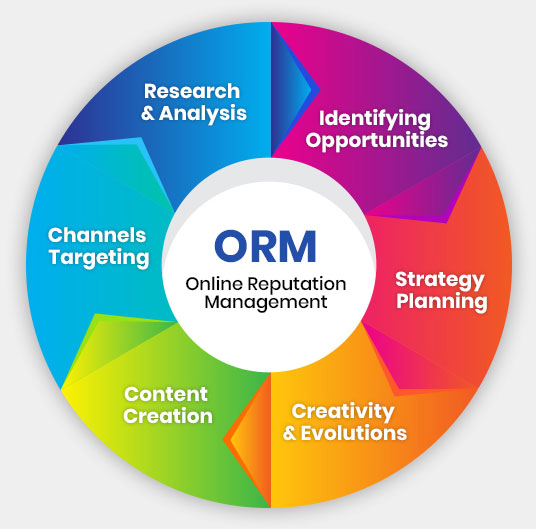
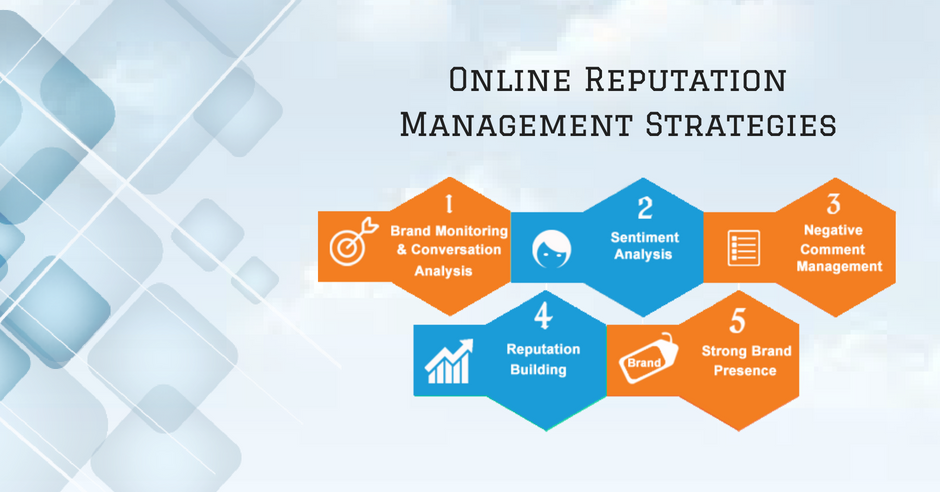
Most small firms are reactive rather than proactive when it comes to reputation management. Despite the widespread notion that a more comprehensive digital marketing strategy is critical for online success, many firms still limit their online presence to a website. Negative comments that display near the top of a keyword search when potential clients seek up their business are very hazardous. This is especially crucial for well-known local businesses that may be searched by name regularly. Negative information ranking in branded search results can directly impact your bottom line in this situation. Negative feedback is said to have made 60 percent of buyers decide not to utilize a company.
The simple presence of a company in the search engine results is one of the most important trust
indicators. However, a company's appearance cannot be relied upon solely. This is why: Before choosing to use a business, 49% of consumers require a minimum four-star rating. Consumers view an average of seven evaluations before putting their faith in a company. When a person has a high level of trust in a brand, they will buy from it. However, online reviews have the power to make or break trust.
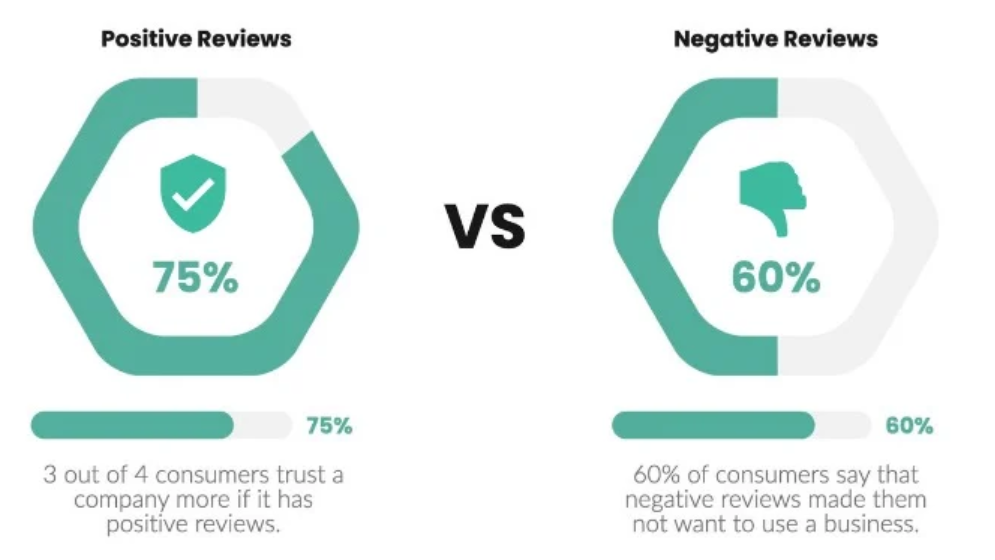
For long years, online reputation management and restoration have been a growing part of digital
marketing. However, based on my experience working on numerous reputation repair cases, it is clear that businesses that do not invest proactively in developing their online presence and reputation will pay significantly more in terms of lost revenue, damage control, and correctly establishing the appearance, they abandoned.
Mentioning names of top executives may also be an area where their digital reputation should be
controlled proactively for businesses related closely to the profiles of their owners/founders. To
maintain their solitude outside of their businesses, some business owners prefer to stay out of the
limelight by eschewing social media. The disadvantage is that they have no safeguards in place should someone choose to take their name and harm their reputation, whether through a poor review or otherwise.
On the same note, things may be messed up by not giving your required input on digital platforms or
using social networks incorrectly. If you lack the abilities required to handle yourself appropriately and professionally online, no one can harm your reputation as much as you can. With these thoughts in mind, consider the following ten tactics to help you manage your online reputation more effectively.
When it comes to social media sites, Facebook, Instagram, and Twitter are commonly referred to as
the "big three." However, there are numerous additional social media sites that businesses can
investigate to broaden their digital footprint and win loyal customers. The trick is to figure out which
social media websites your target client audience likes to utilize so you can develop a presence before someone else can smear your brand.
B2B companies would benefit from having a LinkedIn profile to make business relationships and public relations with every individual who might need their services. B2C firms, on the other hand, may want to explore a wide range of satisfied customers using a visual platform like Pinterest to display their items on daily basis.
Finally, businesses that want to attract a younger market should watch upcoming social platforms like Snapchat, particularly since these emerging apps aren't yet overrun with commercial accounts. Of course, expanding your social media reach will not only allow you to engage with your target audience. Still, it will also help you maintain control over the top search results for your business in the event of a negative review and secure you a ton of five-star reviews and a satisfying customer experience.
It's just as vital to create and distribute good material to eliminate poor content. But what distinguishes high-quality content from the rest of the Internet's amateur content? The top three things that make advertising effective, according to a LinkedIn Technology Marketing Community analysis from 2014, are:
It's not enough to merely delete the undesirable content. To catch client attention and keep your company image good and relevant, you must also provide high-quality content.
Content marketing is popular for several reasons, one of which is because it works. According to a
Content Marketing Institute poll, most respondents believe their company's content marketing is
effective to some extent.

Having many social media profiles for your business isn't enough for your social media reputation
management; they must be updated and maintained regularly to gain an organic following. You can
improve your impact, raise your engagement, and communicate with current and potential consumers by regularly updating your social media feeds with interesting and entertaining information. In addition, if you don't maintain your social media accounts after they've been created, they may become too weak to outrank bad reviews made about your account on the specific social site.
Negative reviews or even a single customer complaint can severely harm conversion rates. So much so that simply 1 or 2-star evaluations failed to score 86 percent of potential consumers. This scenario represents a significant potential loss, especially for startups that rely on peak value to get their operations off the ground.
If your firm has well-known brands and items outside of its name, you may need to go the extra mile for your digital presence and social profiles. Create websites, social media accounts, and other kinds
of searchable material for any division of your company that clients might lookup by name on different social media platforms. If someone else reserves their internet usage first, failing to claim ownership of the other trademarks and items associated with your firm could become difficult – and potentially costly – to control.
Every week, the average customer feedback mentions a brand 90 times. 87 percent of individuals search around for every product they buy, and they do it across various platforms. Social media posts affect 78 percent of consumers' purchasing decisions. 54% of people use a social media platform to do product research. 71% of customers who have had a good experience with the product on social media are inclined to tell their family and friends about it. Consumers only value brands if they have communicated with them on social media channels, according to 39% of customers. After seeing a brand's social post, 76 percent of American customers purchased a product.
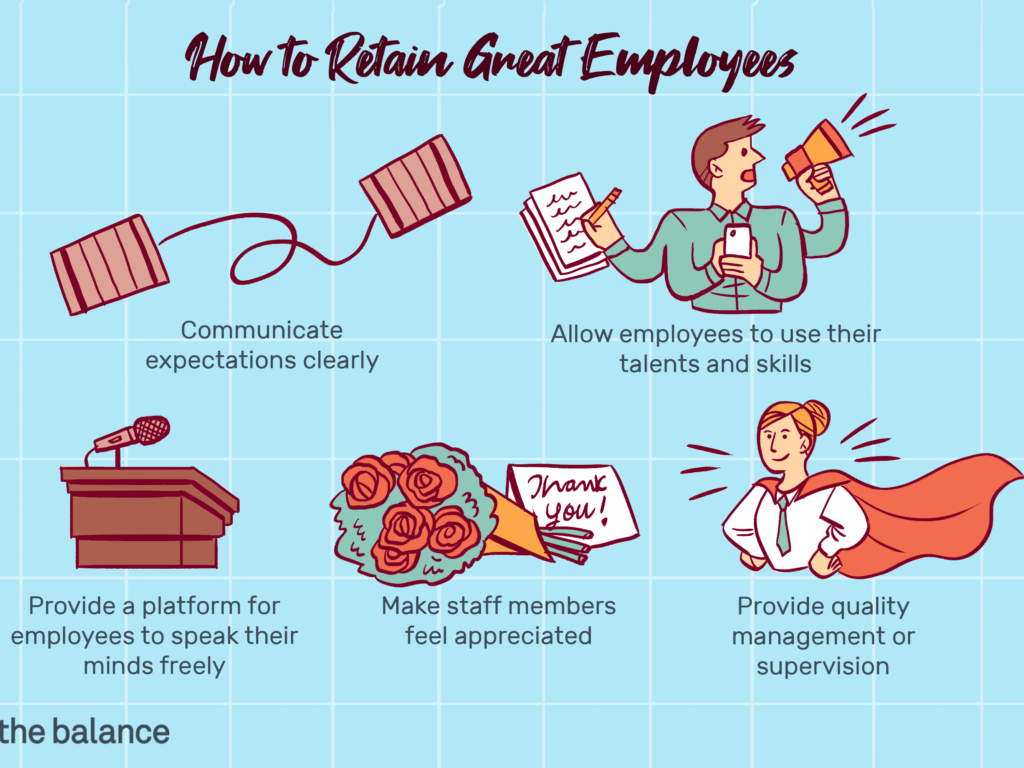
Potential clients may be looking for your solutions after inquiring their friends or family "Who do you go to?" rather than "Which firm do you go to?" for businesses like health facilities, hair salons, and law offices. Establishing a presence on social media for your top staff is a terrific method to manage your company's online reputation in this scenario.
As previously said, attempting to maintain a low profile by ignoring social media platforms makes it simpler for someone to smear your positive reputation with their negative content. As a result, your company's reputation may be tarnished. Therefore, a robust online reputation management strategy is vital for continued success in any firm where the company's identification is indirectly or directly
associated with its executives.
Allowing your satisfied clients and happy customers to create your internet reputation for you through online reviews is one of the most powerful strategies to do it. According to the 2018 Local Consumer Review Survey, 86% of individuals examine internet evaluations for businesses before making a purchase decision. With this in mind, requesting reviews from your customers on Google Business Profile, Facebook, and/or Yelp will assist your company in establishing a positive reputation and gaining consumer confidence while building a strong business relationship.
Other than gathering consumer feedback, online reputation management also involves how your
organization responds to any negative publicity it may receive. For example, rather than ignoring
unfavorable reviews – at worst, becoming antagonistic – apologize for their discomfort and reach out to them by phone or email to work out a solution. After meeting their demands and reaching a
resolution, the reviewer is often willing to upgrade their original comments with a better star rating. In the eyes of the modern customer, a firm that does not exist online does not exist at all.
And the way that a firm looks — without or with stars, positive or bad ratings — is also critical.
Although the statistics presented above are specific to local businesses, the idea applies to every
company, regardless of its physical address or presence.
It's critical to remember one fundamental fact while attempting to make sense of your online
reputation: your digital identity is your reputation. You don't exist if you don't appear online.

For various reasons, blogging is an excellent tool for managing one's online reputation. To begin with, blogging regularly allows you to display your thought leadership and expertise in your sector. Your blog with positive content also gives you the chance to build a dedicated following by giving your visitors answers to frequently asked concerns about your sector. In addition, blogging has the extra benefit of improving local SEO (search engine optimization) rankings and creating content to share across social media channels. Finally, it also helps you to secure satisfied customer reviews.
When reacting to unfavorable consumer feedback, keep in mind that the criticisms may have some merit. This is certainly relevant if you receive a lot of negative comments about a particular issue. Rather than dismissing internet complaints as the work of a vengeful former client, answer all concerns professionally and examine how this input may be used to better your company's operations in the future.
Customers must always be treated with respect, and businesses must demonstrate that they value
their comments, especially since you never know how many future customers may read your
responses before evaluating whether or not to engage with you. Without you realizing it, the way you
respond to criticism online could be sending existing and future consumers into the folds of your
competitors. Make a conscious effort to respond to every customer dissatisfaction and poor
experience, regardless of whether you agree or disagree, and answer with courtesy rather than
spitefulness to all the online comments.
Human mistake is unavoidable in life, but they may be costly to your company if not addressed
immediately and effectively. If you or your firm makes an error, you must admit it and apologize to
individuals who have been harmed in any online content. When it comes to defusing a crisis and
rebuilding a professional relationship, a genuine apology accompanied by sincere amends does
wonders and portray your online reputation management efforts.
It makes no difference who is correct or began the argument; online mudslinging is virtually always
unprofessional. If you enable yourself to be emotionally affected by criticism, you may say or do anything that discredits your reputation.
The easiest strategy to prevent a public online debate is to take the debate offline to resolve the issue. Maintaining a professional demeanor will likely gain you more business than being "correct" in an online debate. If you or your company becomes embroiled in a digital conflict, take a break from the online until you have figured out an online reputation management strategy to resolve the matter and provide the best online reputation management service.
Establishing your internet reputation necessitates a financial and time commitment. Unfortunately,
many small businesses do not prioritize reputation management until there is a situation that needs to be handled.
Any modern-day digital marketing plan must include proactive online reputation management.
Managing your company's image on your own may be stressful, time-consuming, and extremely
alienating to your consumers if you lack the necessary expertise. If you don't have the time, don't know where to begin, or simply aren't receiving the desired results you want, hire a reputation management firm or use other reputation management tools to manage your online reputation.
Following these ten recommendations for securing the benefits of the online reputation management approach will place your company in a better position if or when a negative remark or review is left. Receiving reviews from customers can help a firm to progress in a better way. Although proactive reputation management can often cost an upfront expenditure, it will save you money in the long run. Consider it a type of insurance: it won't make your company immune to reputational attacks, but it will help lessen the damage and keep it from being catastrophic.
It's critical to be ready for the worst: if you or your company is the target of online criticism, various tactics can be used to remedy the situation.
Because they lack large firms' financial resources and knowledge, local businesses are far more
vulnerable to internet reputation threats. When it comes to online reputation management, being
proactive is the greatest way to protect oneself from adverse claims and the financial damage that
frequently follows. Online reputation management also supports you to plan a long-term strong and reliable customer relationship.
It's never too early to start planning your company's online reputation management strategy. You can
hire and have a detailed discussion with an online reputation management firm to find out what your
company is already doing well and wrong and where you can contribute more collateral to strengthen your online reputation even more.
