As someone who's navigated the choppy waters of digital marketing, I can tell you that even minor details, like what is anchor text, can make a monumental difference to your SEO success. A few years back, I stumbled upon the phrase 'anchor text' during a late-night web crawl, and it felt like unlocking a treasure chest. Little did I know, it would reshape my entire approach to creating quality SEO solutions. Let’s explore into the world of anchor text and learn how to make it work for you.
TL;DR: Anchor text is a crucial element for SEO success, affecting how search engines interpret your links. This post covers its significance, how to optimize your anchor text, and provides tools and techniques to improve your backlink strategy.
So, what exactly is anchor text? It refers to the visible characters and words that hyperlinks display when linking to other web pages. For instance, imagine clicking on the phrase "best pizza in New York" to land on a restaurant's site. That phrase doesn’t just look appealing; it also provides vital context for what the linked page contains. This is crucial for both users and search engines like Google.
Why should we care? Because anchor text plays a significant role in SEO. It acts as a signal to search engines, indicating what the linked content is about. Consequently, a well-optimized anchor text can help improve a business website's ranking, making it easier for potential customers to find services or products. Are you beginning to see the picture?
I’ve noticed that many marketers overlook the power of anchor text. This is a mistake! By diversifying the types of anchor text, we can convey a clearer message to search engines. Think of it as a layered approach to communication. Are you covering all your bases?
As a digital marketer, understanding and optimizing anchor text is essential. It not only boosts our SEO game but also builds trust with our audience. If users click on a link and the page or content matches what they expect, they’re more likely to see our brand as reliable. This leads to higher engagement and ultimately, conversions.
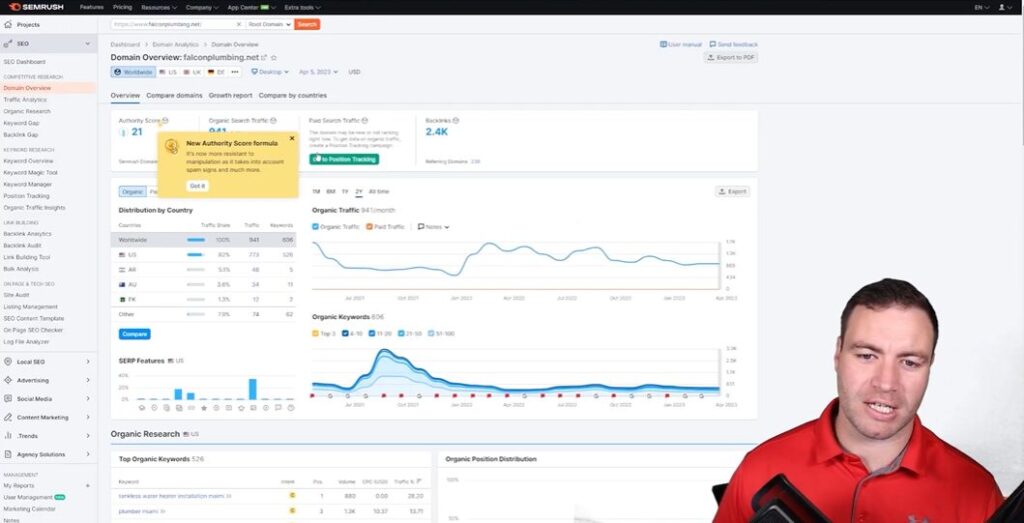
Furthermore, analyzing competitors can provide insights into effective anchor text use. Tools like SEMrush allow me to explore how rivals are structuring their internal and external links. For example, when I examined Falcon Plumbing, I found that their anchor text was keyword-rich, which really positioned them well in Google search results.
In short, anchor text isn't just a minor detail - it's a powerful component of SEO and user experience. Embrace it, and you'll find yourself ahead of the game!
Anchor text plays a crucial role in SEO storytelling. It communicates context to search engines like Google. But how does it do that?
So, what is anchor text? Simply put, anchor text is the clickable text in a hyperlink. For example, if I write “learn more about SEO strategies,” the words “learn more about SEO strategies” are the anchor text linking to a page with relevant information. Google and other search engines analyze this text to understand what the linked content is about. It's like giving hints to the search engine about what to expect on the other side of that link.
Each time you include anchor text, you're painting a picture for Google or any other search engine. You're not just linking; you're telling a story. For instance, linking with descriptive anchor text like “local plumbing services” tells search engines that the target page is relevant to that specific topic.
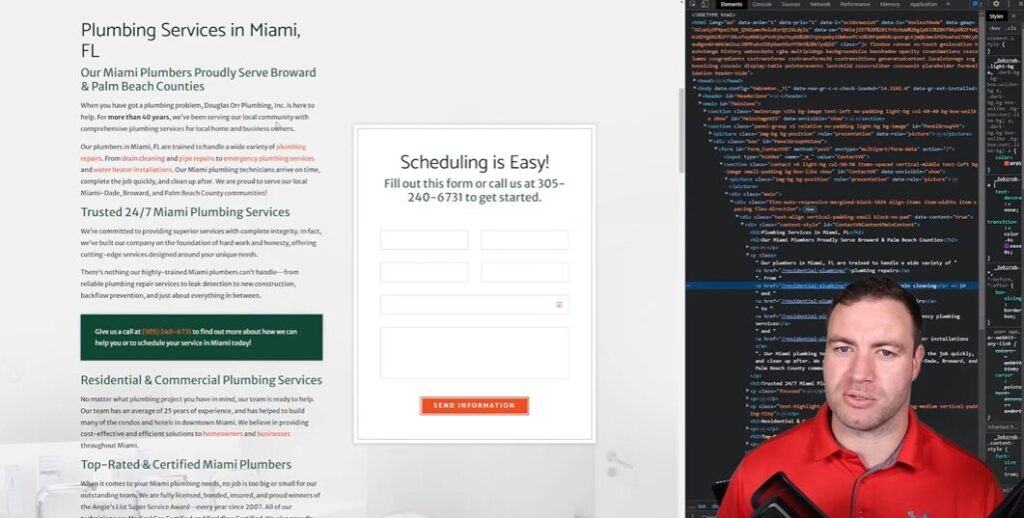
Many companies excel at using anchor text effectively. One prime example is a company like Falcon Plumbing. By choosing phrases like “best plumbing services in Miami,” they enhance their relevance. It targets local search queries while linking to their service pages. This strategy helps them position themselves as authorities in their niche.
So, how can we tell a story through anchor text? It’s simple: use narrative anchor texts that resonate with your audience. When you choose anchor text, think about the message you want to convey. Are you helping them? Are you providing valuable information? By strategically selecting your anchor text, you can shape the user's journey. You can guide them from curiosity to action. Ask yourself: What do I want my readers to think when they click this link?
As Ron from Osborne Digital Marketing emphasizes, “The essence of anchor text lies in its ability to tell search engines a coherent story about the context of the link.”
In conclusion, anchor text is more than just words in a hyperlink. It's your SEO storytelling tool. Make it count! The right choices can significantly impact your content, page, online presence, and visibility. Let's optimize wisely!
Let’s talk about anchor text. You know, the clickable words that link one page to another? They are more important than many realize, especially for SEO. I often rely on cheap yet reliable tools like SEMrush to analyze my anchor text. Why? Because understanding anchor text helps me see how search engines perceive my website.
SEMrush isn’t the only option. Various tools are available, each with unique features for analyzing backlinks and anchor text. Some popular alternatives include Ahrefs and Moz. However, I find SEMrush's user interface intuitive and packed with useful data.
Ready to dive into SEMrush? Here’s a straightforward guide to get you started:
By following these steps, I can see how my site stacks up against competitors. This is crucial when trying to refine my SEO strategies.
Now that we’ve got the basics down, let’s talk optimization. Here are some practical tips I often apply:
Remember, analyzing anchor text isn’t just about counting links. It's about creating a coherent narrative for search engines. It’s about telling them what your content or page is all about. Let’s keep optimizing!
When I’m going deeper into the world of SEO, one of the core aspects I focus on is anchor text. But what makes it so important? Anchor text is essentially the clickable text in a hyperlink. It guides users and search engines to a related content or page. So, how do we assess our competitors' anchor text strategies? Let’s break it down.
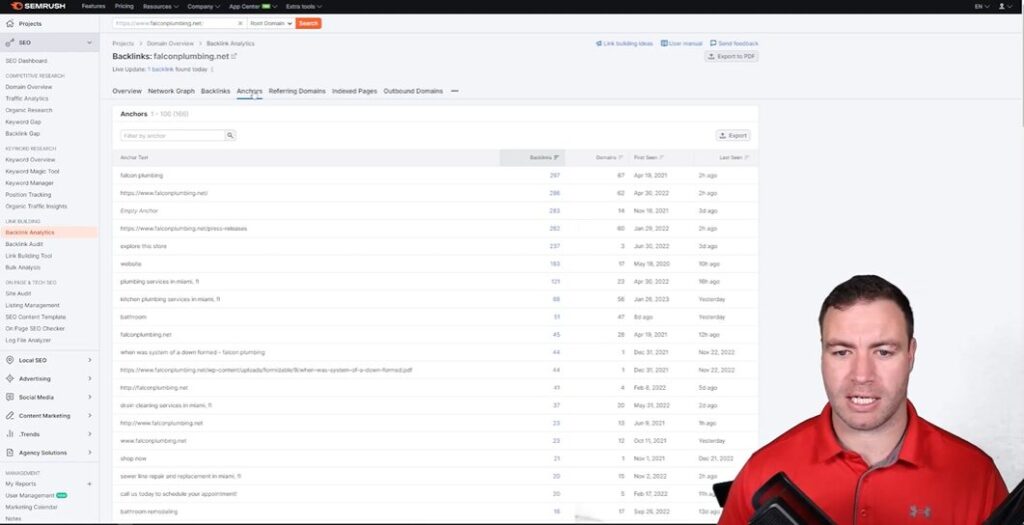
First off, I like to utilize tools like SEMrush to analyze competitors’ backlinks. This tool is also useful for your link building strategies. By examining the anchor text they use, I can discern patterns. What keywords are they targeting? Are they using a branded anchor text, or are they experimenting with long-tail keywords? Understanding their approach gives me insights into their strategy.
Every detail counts. If a competitor is using “plumber in Miami” consistently, it tells me they're likely optimizing for that search query. That’s a premium example of how anchor text communicates relevance to search engines such as Google.
Next, we can’t overlook domain authority. It’s a critical factor in how well a page or site ranks. By analyzing the domain authority of our competitors, we get a measure of how strong they are in search results. A higher domain authority often correlates with better rankings.
I usually compare the number of authoritative backlinks they have relative to their anchor text strategies. If a competitor has high domain authority and optimized anchor link text, it means they are doing something right. They likely have a solid link building strategy.
So, how can we outperform competitors based on their anchor text usage? Here are some strategies to consider:
In my experience, regularly assessing and adapting my strategy is crucial. By understanding competitors' anchor text strategies and domain authority, we can devise a plan that not only responds to current rankings but also anticipates future shifts in the SEO landscape.
As we wrap up this discussion on anchor text optimization, I want to take a moment to recap its significance in the world of SEO. Anchor text is more than just clickable words in a hyperlink; it’s a vital part of how search engines like Google understand the context of the links. Think of it as a signpost directing web traffic. When used effectively, it guides people and search engines alike toward a relevant content or page.
Through my journey in refining my anchor text strategy, I’ve seen firsthand the tremendous impact it can have on search rankings. Initially, I treated anchor text merely as a formality, but as I explored deeper, I discovered its power. For instance, leveraging specific phrases like “Miami plumbing services” helped elevate my website’s visibility. I found that focusing on the relevance and clarity of my link and anchor text not only improved my rankings but also increased user engagement. It’s all about creating a coherent narrative for search engines to follow.
Now, I firmly believe in the necessity of being proactive. I encourage everyone - yes, you - to experiment with various anchor text techniques. Don’t hesitate to test different keywords, styles, and placements in the page. Some may find that keyword-rich anchor texts yield the best outcomes, while others might benefit from more varied phrases. The digital landscape is constantly evolving, just like user behavior.
Also, don't forget to analyze what works for your competitors. Create a natural anchor text ratio in your backlink profile. Tools like SEMrush have been game changers for me. By observing your competitors’ anchor text SEO strategies, you can uncover valuable insights that can inform your own approach. After trying this out myself, I found it enlightening to compare my anchor text performance against industry leaders. It’s a practical way to gauge how effectively I’m conveying relevancy through my links. There are may reliable anchor text checker tools available online for you to use.
In conclusion, optimizing anchor text deserves your attention more than paid ads. Reflecting on my experiences, I can confidently say that thoughtful, strategic use of anchor text significantly contributes to better SEO performance. Remember, the key is to craft an anchor text strategy that makes sense for your content and resonates with your audience. Keep experimenting, keep analyzing, and you’ll see progress. So now you know what is anchor text. Happy optimizing!
Have you ever experienced that gut-wrenching moment when your phone stops ringing and the contact forms lay untouched on your website? It’s like a death knell for your business! That was me a few months ago, staring blankly at my Google Analytics, realizing my keyword rankings had taken a nosedive. So, I rolled up my sleeves, dove into the data, and traveled the bumpy road of Google ranking recovery. Let's go through the ins and outs of Search Engine Optimization and here’s what I learned along the way, and I’m eager to share it with you!
TL;DR: If you've noticed your Google ranking dropped, do not panic! This guide will walk you through how to utilize tools like Google Search Console and SEMrush to analyze your keywords and make necessary adjustments to reclaim your traffic and visibility.
Have you ever felt that heart-stopping moment when you check your analytics, and the numbers just don't add up? I recall the first time I noticed a drop in my website traffic. It felt like someone pulled the rug out from under me. One day, everything was fine, and the next, visitors were vanishing.
It's a terrifying experience. You might question every decision you've made. The panic sets in. What went wrong? Did I offend Google? Did I miss an important update? This feeling can be overwhelming.
As a digital marketer, my traffic numbers directly affect my business leads. Fewer visitors mean fewer potential clients. It’s not just numbers; it’s income too. I realized I needed to act quickly. Here’s what I found:
Let me share a personal story. My first significant ranking drop happened after a Google algorithm update. One week, my article on "How To Improve Your Local SEO" was thriving. The next, it tanked. I lost over 100,000 impressions!
It hurt. I felt like a failure. Imagine writing a heartfelt piece only to watch it disappear. The emotional toll was heavy. I didn't just lose traffic; I lost confidence.
Emotional stress can cloud our judgment. When faced with a drop:
I learned that taking a step back is vital. Analyze calmly; don’t let panic dictate your actions. Data doesn’t lie - our emotions can mislead.
In tough times, finding support is crucial. I found solace in digital marketing communities. These groups became my lifeline.
Surrounding yourself with like-minded individuals helps. Sharing experiences, ideas, and sympathies lightens the emotional load. When I learned I wasn't alone, it eased the tension. We all face challenges, and talking it out makes a difference.
Remember, you're not in this alone. Join forums, attend webinars, and connect with others. It's comforting to know that together, we can navigate the storm.
When it comes to diagnosing drops in SEO performance, there are a few tools that I always turn to. I firmly believe that knowing how to use these tools is crucial for any marketer. They can truly make the difference between recovering lost traffic and continuing to struggle. Let’s dive into some of the most useful SEO tools available today.
First on the list is Google Search Console. This tool is a goldmine when it comes to understanding how your site is performing in search engines. Within this platform, we can track various metrics like impressions, clicks, and average positions for our keywords. But there’s more. By setting the timeframe to the last three months, we can comprehensively analyze our site's performance - especially beneficial after significant Google algorithm updates. I usually start by checking the Pages tab to spot any notable drops in impressions or clicks for my key pages, like our guide on improving local SEO.
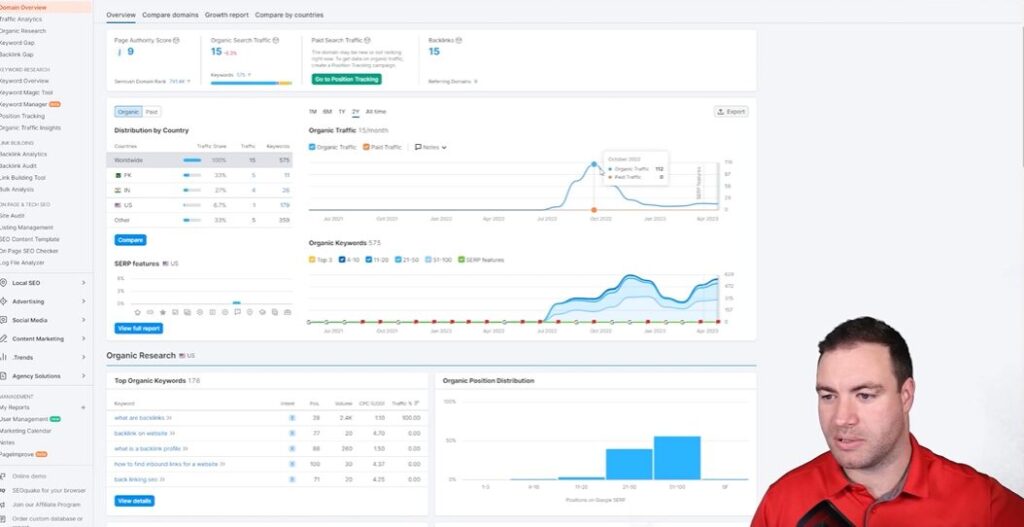
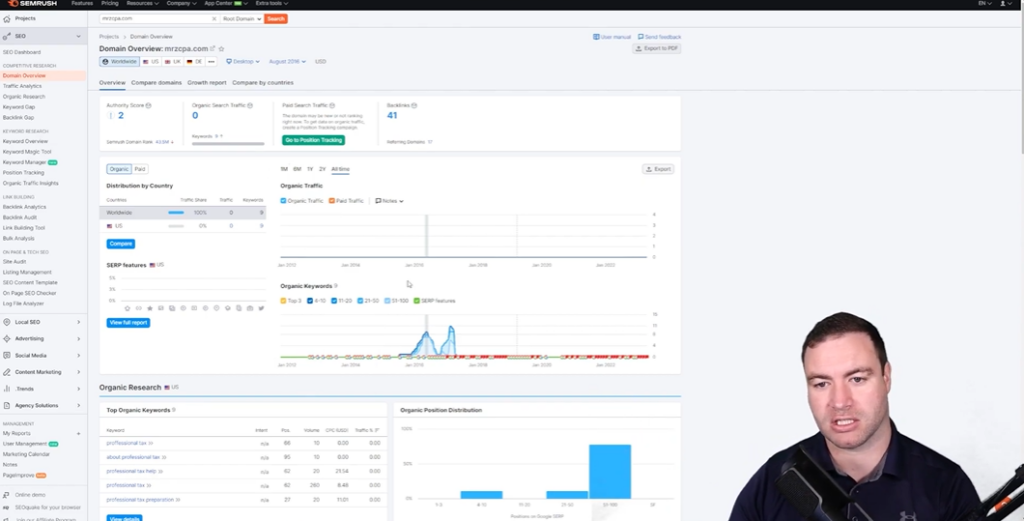
Next, we have SEMrush. I find SEMrush indispensable for backing up the data I've gathered from Google Search Console. Sometimes, a drop in traffic isn't just about our own performance - it might be related to external factors. SEMrush allows us to check for potential losses in backlinks. These can heavily influence our ranking. By verifying referral domains and analyzing backlink quality, we can pinpoint if a drop is due to disappearing links. Plus, SEMrush highlights any new competitors that may have emerged, providing valuable context.
Then there’s Ahrefs. This tool complements what we find in SEMrush. By focusing on backlinks, Ahrefs can help us understand our site's authority and how others perceive our content. It effectively shows what pages are linking to us and whether any critical backlinks have been lost. I believe ensuring our link profile is healthy is absolutely essential. Think of it this way: if your backlinks are your site’s report cards, then Ahrefs is the tool that helps you review them.
If you haven’t set up accounts for these tools yet, I highly recommend it. Each platform has user-friendly interfaces. Take a little time to explore their features. For Google Search Console, ensuring that your property is verified is essential. For SEMrush and Ahrefs, you can start with free trials to get comfortable with the dashboards before committing to a subscription.
Finally, let’s touch on one of the most important aspects: identifying drops over specific timeframes. This is where our strategy becomes precise. In my experience, it's essential to look back at least three months to understand any declines properly. By pinpointing exact times when traffic drops occurred, we can better align our content updates and optimization strategies. It's like investigating a crime scene - every detail can provide vital clues.
In summary, these tools are essential for any marketer looking to improve their site’s performance. They can illuminate the road to recovery, guiding us through the sometimes complicated world of SEO.
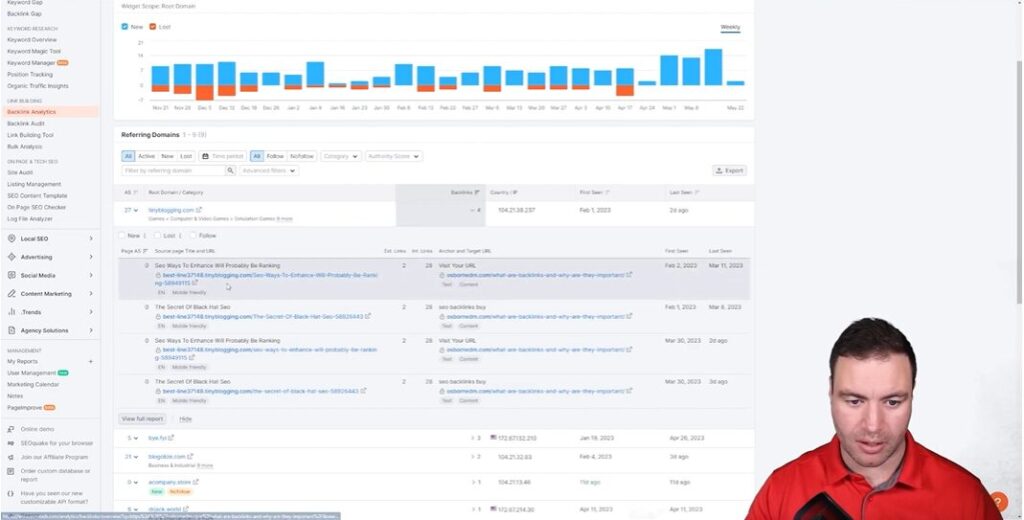
When diving into SEO data, understanding impressions and clicks is essential. What’s the difference? An impression occurs every time a user views a link to your page in search results. It’s like waving at someone across the street. They see you, but they might not walk over. Now, a click happens when that user actually visits your page. It’s when they decide to take that step and engage with your content.
Identifying drops in keyword rankings can feel daunting. Start by monitoring specific keywords that are crucial for your business. For instance, if you notice a decline in keywords like “local SEO tips,” it’s time to investigate further. I recommend using tools like Google Search Console. Set your analysis period to the last three months to keep it relevant. Has there been a sudden loss in impressions or clicks? This is often the first sign of trouble.
Next, consider how to segment your data effectively. This means breaking down information by specific page views and their rankings. In Google Search Console, navigate to the "Pages" tab. Look at which pages are losing impressions or clicks. Are there trends? For example, if a page titled "SEO Strategies for 2023" starts to fall in the rankings, it might indicate that the content needs updating.
Do you know how to export your data for deeper analysis? That's key. I often use Google Search Console for this. It allows me to export impressions, clicks, and CTR (click-through rate) data into a spreadsheet. From there, we can compare current data against past performance. Creating graphs can visually highlight trends or drops. What story does your data tell?
Lastly, crafting a snapshot of your performance over time is invaluable. It's like looking through a photo album of your SEO journey. By tracking your data regularly, you can see which strategies are working and which aren’t. Set a recurring schedule to analyze your data monthly or quarterly. This way, you’re not just reacting to drops, but also proactively managing your SEO health.
Incorporating these practices will not only guide your analysis but also enhance your strategic decisions in the world of SEO.
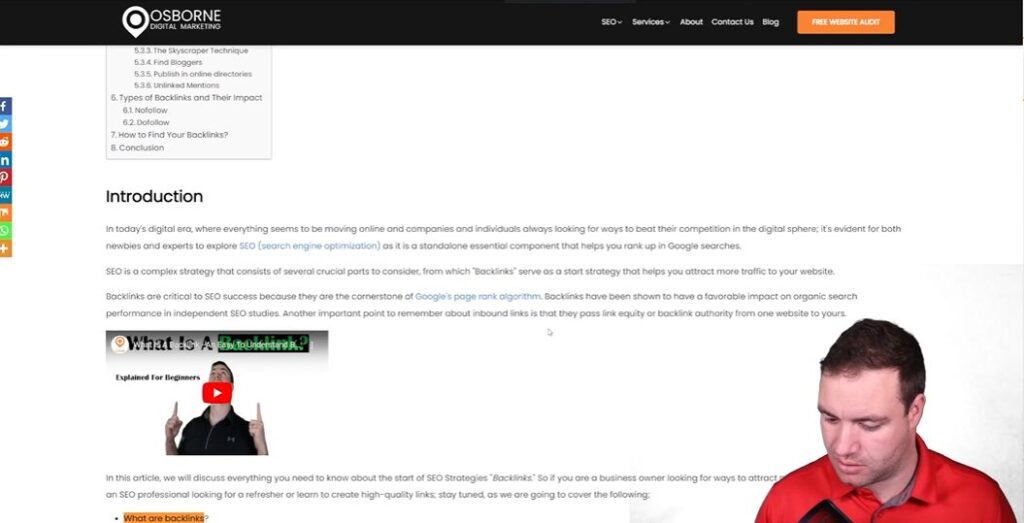
Backlinks are like endorsements for your website. They signal to search engines that your content is valuable and trustworthy. But here's the catch: not all backlinks are created equal. A link from a high-authority site influences your ranking significantly more than a link from a low-quality one. Think of it this way: would you prefer a recommendation from a well-known expert or an unknown individual?
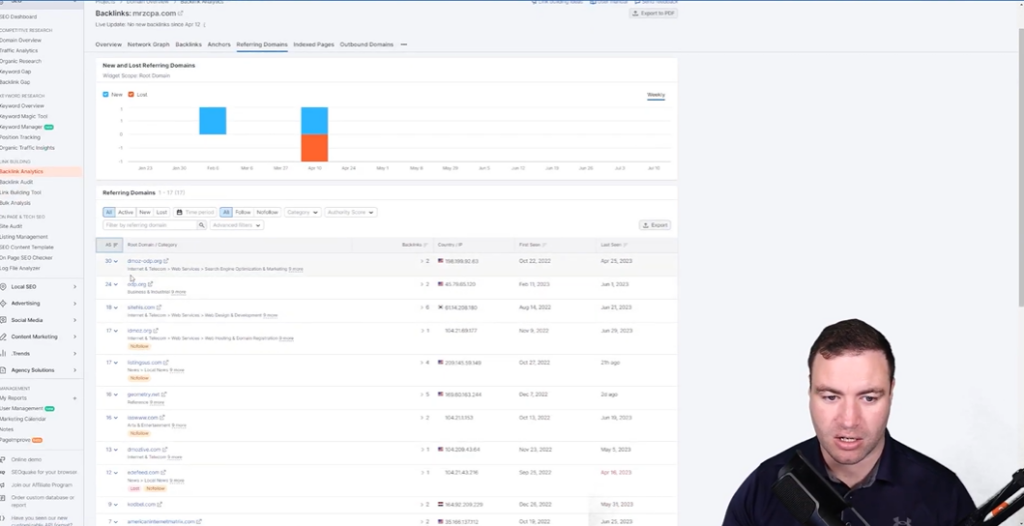
To enhance our link profile, we must know which backlinks provide real value. Tools like Ahrefs and SEMrush can help us analyze this aspect. I often dig into the 'Referring Domains' section to understand the quality of links we're receiving.
Not sure how to evaluate your backlinks? Start by asking these questions:
In my experience, assessing backlinks isn’t a one-off task. It’s essential to keep an eye on their status regularly. Tools like Google Search Console can help. It notifies us if there are any link drops.
Content must stay relevant. A blog I wrote last year might need updates now. If the trends shift or newer data emerges, it’s time to revisit that piece. I recommend reviewing older posts at least once every few months. Whether it's refreshing some statistics or adding relevant images, these updates can significantly enhance your SEO performance.
Search algorithms constantly change. It's a fact that we need to accept. When Google rolls out an update, it can dramatically impact our rankings. For example, changes in user behavior or emerging technologies might shift what users are looking for. Are these external changes affecting your rankings? You bet they are!
Remember, the SEO landscape is unpredictable. That’s why it’s crucial to stay informed about industry trends and adapt accordingly.
Analyzing the competition can unearth valuable insights. What keywords are they targeting? How engaging is their content? Use SEMrush or Ahrefs to explore their backlinks and keyword strategies. I always say, “If they are doing well, there’s a reason.” And guess what? We can learn from their successes and failures!
By understanding what they do right - and wrong - we can fine-tune our strategies.
In the world of SEO, there’s always something new to discover. Backlinks and content quality play pivotal roles in a site’s success. Investing time in these areas can make a world of difference in our rankings.
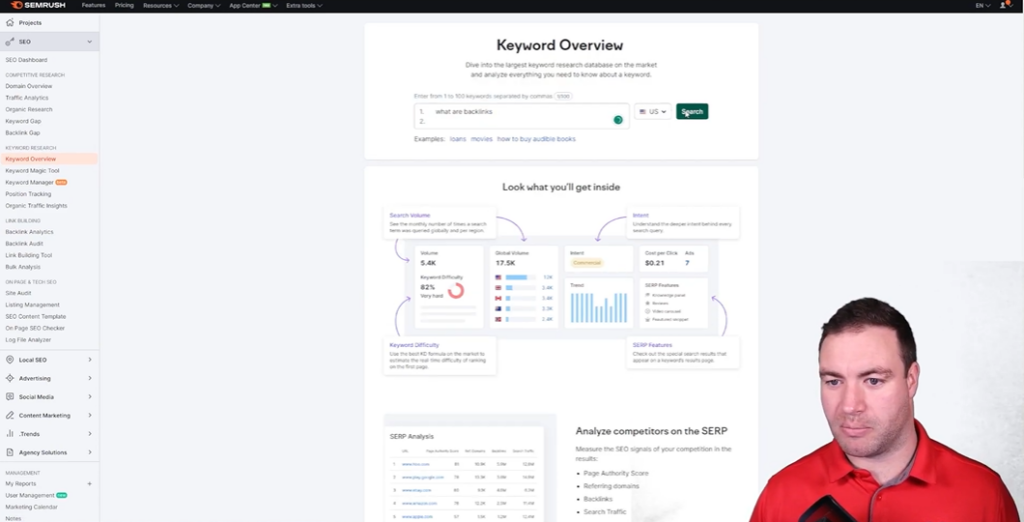
Updating content is like refreshing your wardrobe. You wouldn't wear the same outfits every day, right? Similarly, your audience craves fresh and relevant information. Here are some strategies I find useful for keeping content updated and optimized. This is an important step to do when your Google ranking dropped.
First, we have to identify outdated content on our site. Using tools like Google Search Console can help with that. Look for pages that have dropped in traffic or rankings. If a post hasn’t been updated in years, it might be time for a refresh. I recommend adding recent statistics, updated links, and relevant images. Some experts will go even further and completely rewrite the article. But minor tweaks often do the trick. Just keep it current and engaging.
Re-optimization isn’t just about sprinkling in keywords. Oh no! It involves examining your content’s structure, readability, and relevance. Here are some techniques:
If your content is more appealing, it will retain readers and improve visibility in search engines.
Another effective strategy is creating new content that links back to your old posts. Think of this as building highways between your pages. Engagement is key. For instance, if you've written a new piece on “Content Marketing Strategies for 2023,” link to your older articles about SEO techniques or social media marketing. This will not only provide depth but will also improve your internal linking structure.
Long-tail keywords are like hidden treasures in the SEO world. They have lower search volume but can lead to high conversion rates. When I write, I often think about what specific phrases people might be searching for. Instead of simply focusing on “SEO tips,” I will use “SEO tips for small business owners.” This targeted approach can drive qualified traffic to your site.
Lastly, after you’ve updated your content, it’s crucial to monitor its performance. I typically check metrics like page views, bounce rates, and conversion rates using tools like SEMrush or Ahrefs. Did the changes bring in more traffic? Are readers staying longer? Establishing a routine to track performance can help us understand what’s working and what isn’t.
In conclusion, updating and optimizing content is an ongoing process. By employing these strategies, we can keep our content fresh, relevant, and highly visible to our audience. The digital landscape is evolving fast, and by staying ahead, we ensure our content remains impactful.
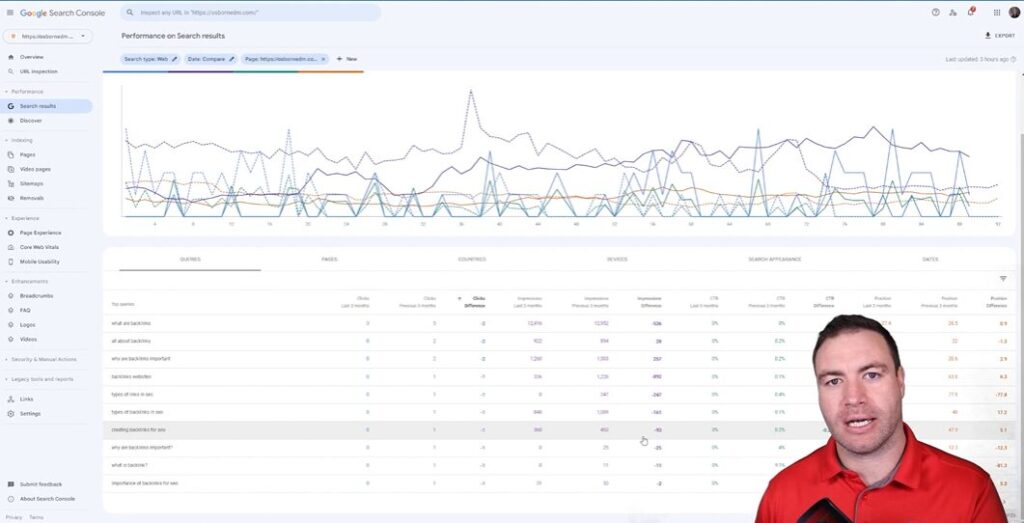
This journey has been eye-opening for me. Each misstep taught me something valuable. I realized that the SEO landscape is constantly changing. What worked yesterday might not work tomorrow. It feels a bit like riding a rollercoaster, doesn’t it? Ups, downs, and unexpected twists. But here’s the thing: each dip I experienced in rankings pushed me to analyze, learn, and adapt.
I've found that adaptability is my best friend in SEO. The digital world moves at lightning speed. A strategy that seems foolproof can crumble overnight. Take Google algorithm updates, for example. They can shift traffic dramatically. I learned to embrace these changes rather than resist them. Reminds me of nature; the most adaptable species survive. I’ve applied that same mindset.
Creating a proactive versus a reactive strategy is essential. Instead of waiting for a ranking drop to occur, I now focus on building a robust strategy upfront. I assess my current performance regularly. I ask myself critical questions like:
Proactivity prevents many issues before they arise. Think of it as maintaining a car: regular checks lead to fewer breakdowns.
I believe in the power of sharing stories. I often discuss my SEO experiences with fellow marketers. Their insights open my eyes to new strategies. It’s a collaborative effort. The more stories we share, the more equipped we are to tackle challenges. There’s a community of support, and I’m grateful for it.
Establishing a regular audit routine has been a game-changer. I now schedule monthly SEO checks. This involves reviewing keyword performance, checking backlinks, and more. I ask, “What’s working? What’s not?” It’s crucial to stay ahead. These audits keep my strategies fresh and aligned with the current trends. Consistency is key. Like watering a plant, repeat actions yield growth.
As we wrap up this discussion about what happens when your Google ranking dropped, I want to take a moment to recap the key strategies we've explored. In the world of SEO, changes are always lurking around the corner. It's important to remain adaptable. From utilizing tools like Google Search Console and SEMrush to diagnose drops in keyword rankings, to understanding how backlinks can impact your visibility - these strategies can help ensure we remain competitive.
In our journey, community plays an invaluable role. Having a support group can be a game-changer when navigating the volatile seas of search engine algorithms. Loneliness in this digital realm can lead to despair. But remember, we are in this together. Leaning on one another for advice and encouragement fosters continuity and can help us maintain our momentum.
How do we maintain that spark of positivity? Staying proactive is the answer. Regular audits of our SEO strategies and content are vital. They allow us to spot issues before they spiral out of control. Let’s embrace the mindset that every setback is a setup for a comeback. It’s not about the number of times we fall; it’s about learning to rise again, stronger and wiser.
As I’ve often mentioned, education is key in this fast-paced digital landscape. To stay ahead, I encourage everyone to pursue resources that can deepen your understanding. Whether it’s through Moz's educational blogs, Backlinko's guides, or my own video resources, there’s a treasure trove of information available. Continuous learning keeps our skills sharp and prepares us for future challenges.
Looking back on my own journey in digital marketing, I can’t help but marvel at the changes I've navigated. I started with trial and error, often feeling like I was out of my depth. Gradually, I found clarity and confidence. Adapting to changes has been tough, but the satisfaction of overcoming challenges brings joy.
So, as we you venture forth, remember: embrace change, stay informed, and never hesitate to reach out for support. We’re all part of this dynamic landscape, and together, we can thrive. Let’s move forward with enthusiasm and purpose,
When I first started out in digital marketing, my Google Business Profile was like a hidden gem - there, but nobody could find it! I learned the ropes the hard way, and now I'm here to share my secrets. In this post, I'll admit I put together a 38-point checklist that will help you how to optimize Google Business Profile and make it shine like never before!
TL;DR: Optimizing your Google Business Profile is key to driving traffic and engagement, and this guide presents a comprehensive checklist to help you achieve good SEO tips and tricks for your business.
As we dive into the digital age, optimizing your Google Business Profile has become vital. It's not just about being on Google; it's about being seen. So, let’s break down why we should all take this step seriously.
Let’s face it: if you’re not visible on search engines, do you really exist? The right optimization on your Google Business Profile can significantly boost your presence on Google search results. When customers look for services you offer, you want to be among the top results. Research shows that businesses with optimized profiles receive over 70% more clicks than those without. Isn’t that a compelling reason?
By focusing on these elements, your business will appear more frequently in local search results. Imagine being the first name they see. That’s power!
Have you ever noticed that some businesses have a shiny badge next to their names? That’s credibility, my friend! An optimized Google Business Profile adds to your authority and trustworthiness.
Customers tend to trust businesses that appear professional and well-maintained. Think of it like this: would you pick a messy restaurant or a clean one? Your profile is your restaurant's first impression. A strong presence with good reviews, clear photos, and complete information sends a message: “We care about our customers.”
Customer engagement is key. With the right profile optimization, you can interact directly with customers. It’s like having a two-way street rather than a one-way billboard. Here’s how you can enhance that engagement:
This ongoing interaction not only builds rapport but also encourages customers to become loyal advocates for your brand. And loyalty drives business! We all know how powerful word-of-mouth can be, right?
In today's competitive market, standing out in the online world is crucial. Think of your Google Business Profile as your digital storefront. When your competitors have similar offerings, what makes you different? A well-optimized profile can set you apart from the pack.
By optimizing, you not only attract more clients but also impress them. When customers can easily find you and see the quality of your services at a glance, they’re more likely to choose you over competitors.
You want to say, "Here I am, and I excel at what I do!"
“In online business, visibility is your lifeblood.” – Ronald Osborne
So, optimizing your Google Business Profile isn’t just a good idea, it’s essential. The benefits are multi-fold: increased visibility will bring more potential customers your way, enhanced customer trust strengthens your authority, engaging with your clients keeps them loyal, and finally, standing out from your competitors gives you that much-needed edge.
By taking the time to focus on each point above, you’re not just improving a profile; you’re building a powerful online presence that can lead to long-term success. Let’s roll up our sleeves and get to work on that profile today!
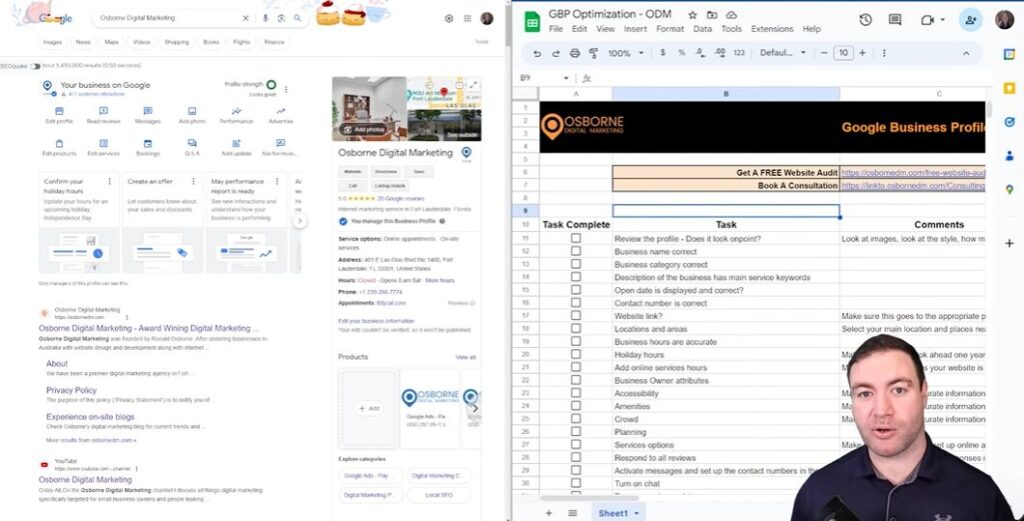
Optimizing your Google Business Profile can feel a bit overwhelming. Trust me, I've been there. But with a clear checklist, the process becomes much easier. Let's dive into some of the most crucial steps I follow when optimizing my profile. Here's what we need to cover:
First things first. Have you created your Google Business account yet? If not, that’s where we start. I remember my first time going through this. It felt like decoding a secret message. But it's simple!
Once you've set it up, be sure to verify your account. Google typically sends a postcard with a verification code. Insert that code back into your profile, and you’re golden. Verification adds credibility to your business, improving its visibility in local searches.
Now that your account is set up, let’s ensure all necessary business information is filled out. What do we need to include? Here’s a quick checklist:
Your business description should also engage potential customers. Include relevant keywords, but write for real people, not just for search engines. Rhetorical questions, like "Have you ever wondered where to find the best local coffee?" can draw readers in.
Next up, let’s talk visuals. Photos and videos are essential for making a great first impression. In fact, profiles with images get over 40% more requests for directions and 35% more click-throughs to their website!
I always say: more visuals are better. Aim for variety and quality. What goes through my mind? “What would grab my attention if I were a customer?”
Finally, let's touch on reviews. Engaging with customers through reviews can make a significant difference. So, how do we tackle this?
When responding, keep it personal. Express gratitude for positive feedback. For negative reviews, acknowledge concerns and offer solutions. This shows potential customers that you value their opinions.
“Reviews are not just feedback; they're a conversation starter.”
Incorporating these practices not only builds trust with new customers but also enhances your profile’s overall authority in search rankings.
By consistently managing your Google Business Profile, you're paving the way for increased traffic and engagement. Just remember, every small step matters. It’s like a marathon, not a sprint!
Are you ready to optimize your profile? I know I am! Let’s keep pushing for that visibility and success! Cheers to your business journey!
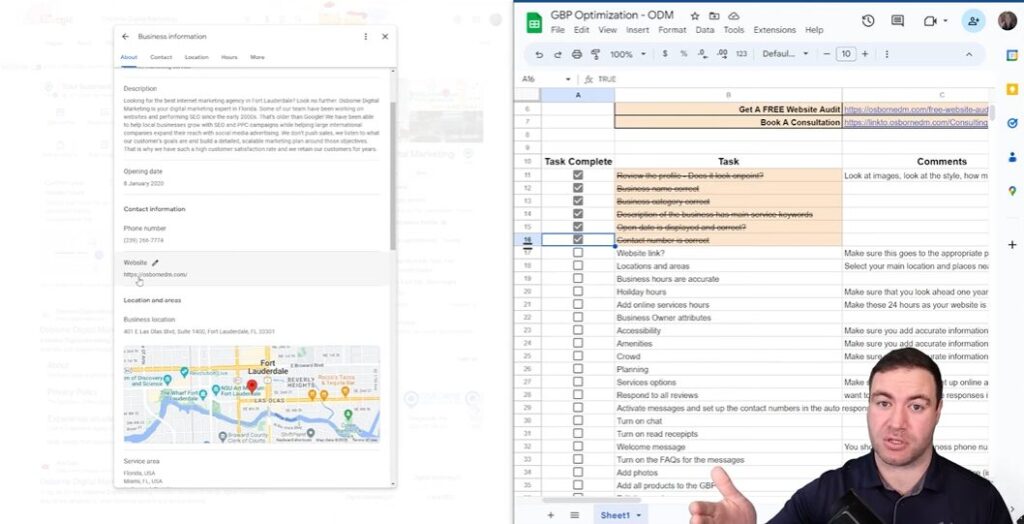
When it comes to optimizing your profile, every little detail counts. Understanding each section of your profile is crucial. Each component serves a purpose, and together they create a cohesive image of your business. So, how do we tackle this? Let’s break it down step by step.
Your profile is more than just a collection of information. It's your business's online presence. Here’s what you need to know:
Each section aligns with the others to build trust and credibility with potential customers.
Your business description is like your elevator pitch. It should be concise yet engaging. Here are some key points to remember:
When I crafted my business description, I thought about my audience. What would they want to know? This helped me emphasize key services and offerings, creating a connection right from the start.
Picking the right categories is something many overlook. It may seem simple, but it’s a significant decision. Here’s how to ensure you choose correctly:
Choosing wisely can make it easier for customers to find you online. Ask yourself: “What do I want my customers to think of when they see my profile?”
It’s essential to show your customers when they can reach you. Incorrect hours can lead to lost customers. Here’s what we should include:
I remember trying to call a business that had inaccurate hours. It’s frustrating! We don't want our customers feeling that way. Being accurate and clear reflects professionalism and care for those who seek our services.
In all these sections, consistency is key. Make sure that the information on your profile matches across all platforms. This builds trust and enhances your visibility.
As we navigate these components, I'm here with you every step of the way. Each adjustment might seem small, but collectively they can lead to increased visibility and customer engagement. Remember, we're optimizing to enhance the overall experience for both us and our customers. Let's make our profiles stand out!
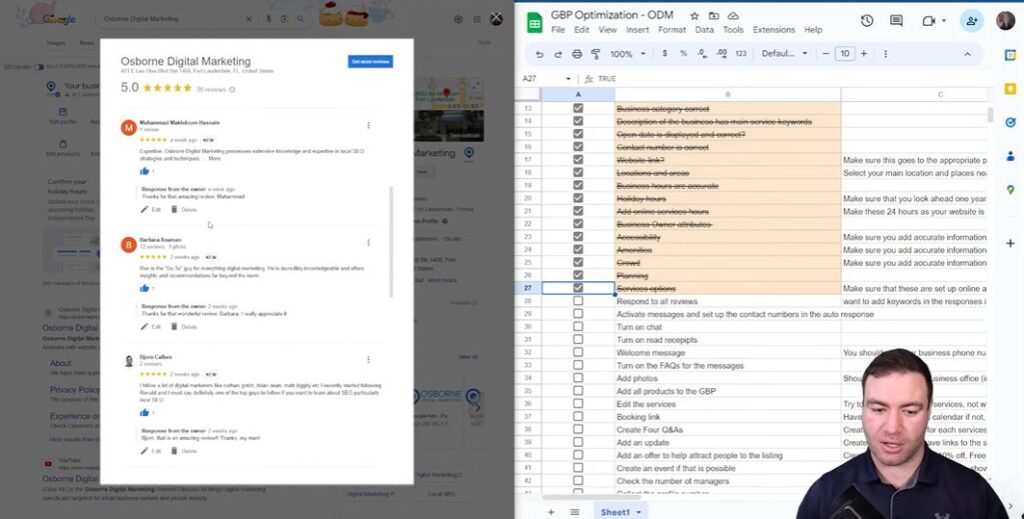
Have you ever wondered how you can get customers to leave reviews? It’s a common question for business owners. And, believe me, it’s essential as you go through on how to optimize Google Business Profile. Positive reviews can significantly boost your credibility. But how do you encourage them?
Don't forget to highlight the importance of their opinion. Remind them that their insights help improve your services. As I often tell my customers, "Your voice matters!"
So, your customers have left reviews. Now what? Managing reviews is like nurturing relationships. It’s crucial. Responding to reviews shows customers that you value their feedback.
Transparency is vital. Not only does it help build trust, but it also shows potential customers that you're committed to improvement. As I always say, “Every review is an opportunity!”
Did you know you can directly connect with customers through messaging features? In this digital age, it’s essential to be accessible. Plus, it can turn inquiries into sales!
However, be ready for spam. It happens. Take time to filter out irrelevant messages while ensuring valid inquiries are prioritized. I once received a spam message about selling time-shares! It’s essential to keep your communication channels tidy.
Additionally, don’t shy away from personalizing your messages when you can. Instead of a generic response, make it engaging. Ask if they have any specific questions. Let them feel valued. After all, a small touch of personalization can build lasting bonds.
Engaging with reviews and messages is more than a task - it’s a strategy. The way we manage feedback and communication can shape our businesses profoundly. Every interaction - whether a review or a message - is a chance to enhance customer experience and satisfaction.

Having the right images and videos on your profile is like having a great storefront. It’s the first impression potential customers get. So, what should you consider?
When I first started, I noticed that my engagement increased when I replaced generic images with photos of my actual workspace. People want to see the real deal. It makes them feel connected to your brand.
Let’s face it - no one likes stale content. Just like a garden needs tending, your visual content needs regular updates.
I’ve learned that when I refresh my visuals consistently, it keeps my audience engaged. They’re likely to return when they see something new. Plus, it shows you care and are active in your business.
Visuals play a massive role in how customers decide to buy. Ever heard the saying, “A picture is worth a thousand words”? Well, it’s true.
When I share a heartwarming story of a customer experience alongside an image, it resonates with my audience. People respond better to stories; visuals help tell those stories. Capturing moments that matter to your brand will make a lasting impact.
Moreover, it's crucial to understand the significance of visual content in the customer journey. Studies have shown that over 90% of information transmitted to the brain is visual. So, imagine how much more effective your marketing can be! As I continue optimizing my visual content, I've witnessed a transformation in my engagement rates and conversion rates.
Remember, small changes can snowball into massive impacts. When you focus on the right images, keep your visuals fresh, and recognize their power in customer decision-making, you'll create an enticing profile that attracts more eyes and builds lasting relationships. Why not take a moment today to audit your visuals?
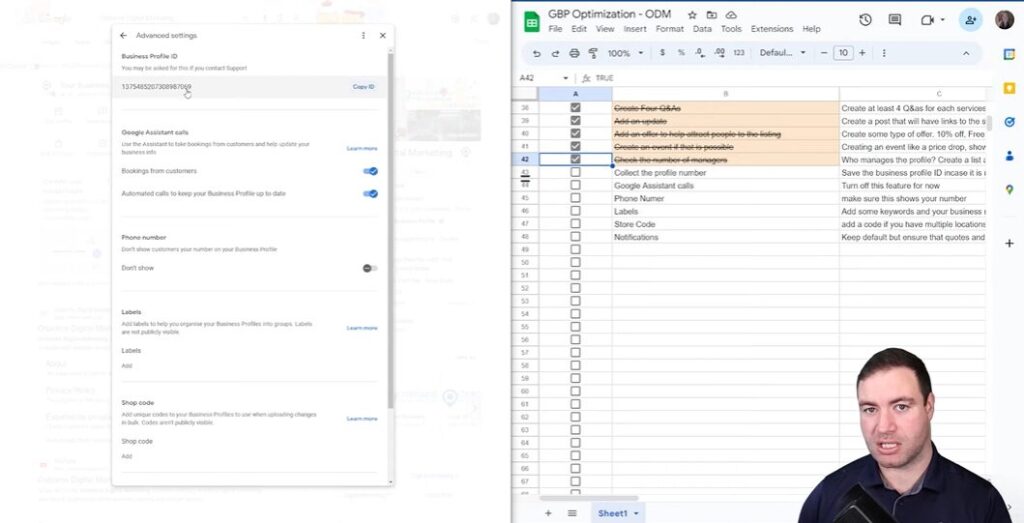
When it comes to optimizing your online presence, one of the most powerful tools at your disposal is Google Insights. So, how can we make this tool work for us? That’s what I'll dive into today.
First, let's talk about Google Insights. It’s like having a smart assistant who whispers useful information in your ear. These numbers reveal who is viewing your Google Business Profile, how they find it, and what actions they take afterward. It’s pretty fascinating stuff!
To get started, log into your Google account and navigate to your Business Profile. In the insights section, you might see metrics such as:
Understanding these numbers is crucial. They allow us to assess our visibility and engagement levels. For instance, if you notice that a significant number of users are searching with a specific term, maybe it’s time to refine your business description to incorporate that keyword. Think of it as a digital treasure hunt where the key to success is knowing what your customers are looking for.
Once you have access to the data, the next step is about adaptation. It’s like adjusting the sails on a boat based on the wind direction. If our insights indicate that a specific service is gaining traction, let’s consider focusing our marketing efforts there!
Here’s how you can tweak your strategy based on the data:
Adjusting based on insights isn’t a one-time action; it’s an ongoing process. I often ask myself, “What’s working? What isn’t?” This keeps my strategy fresh and relevant.
The journey doesn’t end with analyzing the numbers and making a few tweaks. Instead, think of it as a plant that needs continuous care to grow. Continuous optimization is key to long-term success.
Here are some tips for maintaining that optimization:
In the end, it’s all about creating a sustainable online environment where your business can thrive. Metrics and insights are not just numbers; they're the stepping stones for growth. Remember, every action we take today informs the success we’ll have tomorrow.
So, with Google Insights, let’s ensure we’re constantly checking in, adapting our strategies, and optimizing our efforts. That’s how we create a business that not only survives but thrives in this digital landscape!
As we wrap up this journey on how to optimize Google Business Profile, I want to emphasize the profound impact that optimization can have on your business. Think of it this way: in today's digital landscape, your business profile is often the first impression potential customers have. And as we know, first impressions count! By ensuring that your profile is fully optimized, you can dramatically enhance your visibility in search results, draw in more customers, and ultimately drive sales.
But how do we get there? This is where the checklist comes into play. It is a straightforward, step-by-step guide designed for both beginners and those with advanced SEO knowledge. Trust me when I say, whether you're just starting or you're more experienced, this checklist will help you pinpoint the areas that need attention and action. Have you ever felt overwhelmed by the details? Don’t worry - this checklist breaks it down into manageable tasks. Each tick marks your progress, leading you closer to a profile you'll be proud of.
Now, I can't express enough: don't wait to get started! The best time to optimize your profile is now. The sooner you go through our comprehensive checklist, the sooner you'll see results. And remember, it's all about taking action, no matter how small the steps may seem. Even minor adjustments - like updating your business hours or engaging with customer reviews - can make a world of difference. It's similar to tending a garden; the more you nurture it, the better it blooms.
Let's take a moment for some personal thoughts. Throughout this process, I’ve learned that the journey of optimization is ongoing. It’s not a one-and-done type of task. Frequent updates and adjustments are essential as your business grows and evolves. Regularly revisiting your profile ensures you keep pace with changes in your business and industry trends. I always make it a point to set aside a bit of time each month for this task - things can slip through the cracks if we’re not vigilant!
In my experience, staying engaged with customers through the profile can yield strong relationships. Whether it be responding to reviews or updating your services, each interaction is an opportunity. Imagine your profile as a conversation starter. When you engage actively, it signals to potential customers that you value their interaction. Isn’t that the kind of message we want to send?
As I bring this conclusion to a close, I want to rekindle your motivation. The world of online search is competitive, and having an optimized business profile can set you apart. So, let’s take the leap - put in the effort, follow the checklist, and actively manage your profile. You’ll be amazed at the growth and connection it brings to your business.
If you ever feel unsure, remember: I'm here to help! Don't hesitate to reach out with questions. Together, we can make your Google Business Profile not just functional, but a powerful tool that drives your business forward.
Let’s roll up our sleeves and get started! Cheers to your success!
As a digital marketer, I've had my fair share of triumphs and missteps when it comes to choosing expired domains. One particularly memorable experience was when I invested in what I thought was a prime domain, only to discover that it had virtually no traffic or backlink strength. Since then, I’ve developed a systematic approach to avoid such pitfalls. Let me take you on my journey of discovering the hidden gems of expired domains!
TL;DR: This guide explores the intricate process on how to find expired domains, emphasizing the importance of trust flow and using the right tools to increase the chances of making a successful purchase.
First off, you might ask: What exactly are expired domains? In simple terms, these are domains that have not been renewed by their owners and have now become available for purchase. The world of expired domains is a bit like treasure hunting. Some might not be very valuable, while others can hold significant potential.
Now, let’s explore the excitement around these expired domains. Why should we even consider them? Well, they can be incredibly valuable. Here are a few key reasons:
Imagine waking up one day to find a domain that embodies your business vision, complete with a history that might benefit your SEO efforts. Sounds exciting, right?
However, I can't stress this enough: be careful. There are common pitfalls in the purchasing process. Here are some to keep in mind:
So, how do we avoid these pitfalls? The answer lies in thorough research. Reliable tools can make a world of difference. I commonly use platforms like Spamzilla and expired domains dot net. These tools help filter out less desirable options.
For example, when using Spamzilla, I focus on trust flow metrics. A trust flow above ten usually indicates a domain with some authority. I also check backlinks to ensure they are from reputable sources. Plus, using resources like the Wayback Machine to study the domain's past is a game-changer.
Remember, taking time to vet your potential purchase can save you from making a costly mistake down the line.
The journey into expired domains can be quite rewarding. With the right knowledge and tools, we can turn these forgotten websites into valuable assets. Wouldn't you want to get your hands on that potential? Let's dig deeper and uncover the perfect expired domain for our goals!
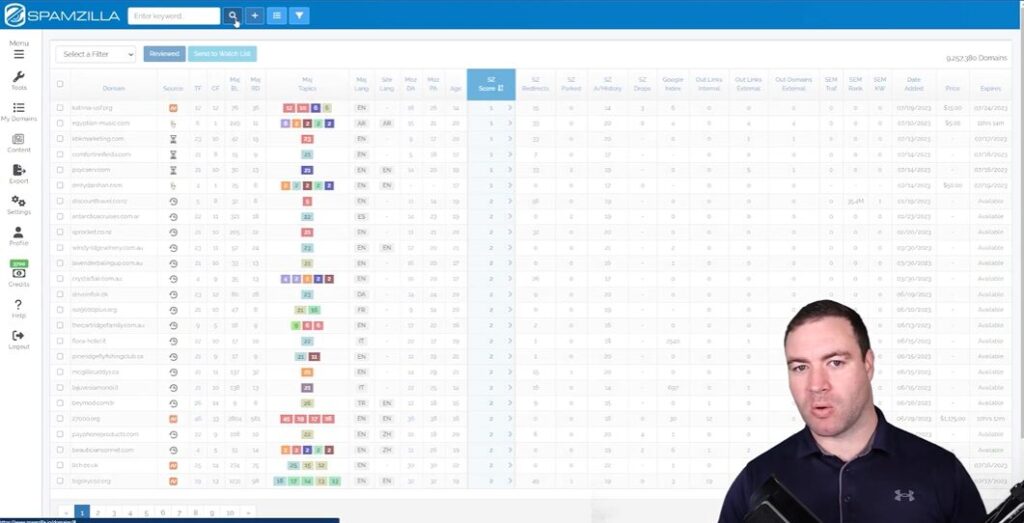
When digging into the world of expired domains, having the right tools is paramount. These tools help us discover domains that can significantly boost our online presence. Why waste time on trial and error when effective options are available?
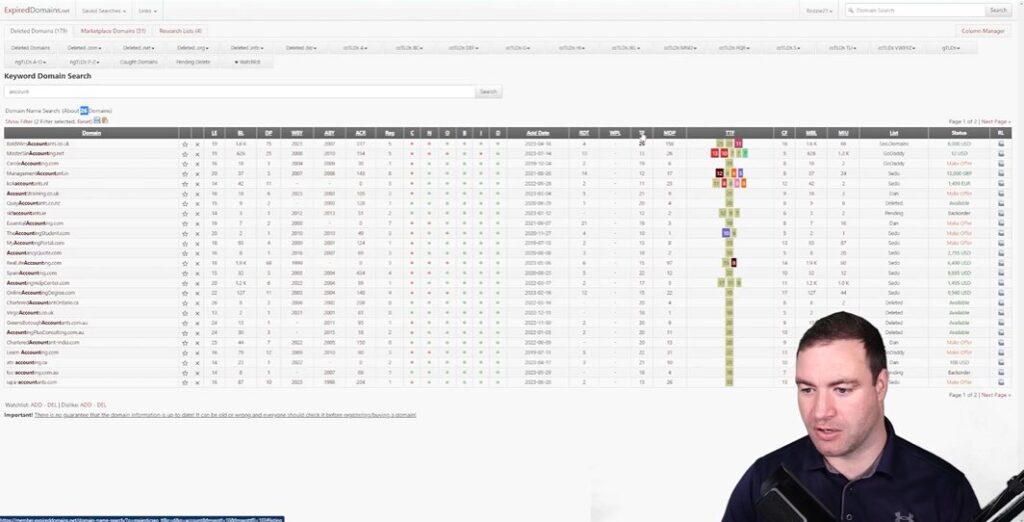
As I explored this landscape, I found several platforms, but I rely heavily on two: SpamZilla and ExpiredDomains.net. Each has its unique features and functions, making them valuable in their own way.
SpamZilla is my go-to choice. It offers extensive filter settings that allow for customized searches. You can search by domain type, such as .com or .net. On the flip side, ExpiredDomains.net is slightly less user-friendly. It can feel a bit clunky at first. However, it presents similar filtering opportunities once you familiarize yourself with its layout.
Which one should you choose? It often comes down to personal preference. SpamZilla is robust, but ExpiredDomains.net brings its own strengths. Are you ready to experiment?
One crucial advantage of these platforms is the range of filters. I typically focus on two main filters: trust flow and backlink analysis. For instance, setting a minimum trust flow value of ten can be a game-changer. This metric tells us if a domain has any real authority.
These steps make finding quality domains much easier. You can also refine results by niche, like targeting the accounting sector specifically.
Trust flow is one metric I prioritize. It essentially measures the trustworthiness of a domain based on its backlinks. A good trust flow indicates healthy connections, which is essential for effective SEO.
When I evaluate domains, I consider various factors:
Using tools like SEMrush and the Wayback Machine, I dissect a domain's history and performance before making a purchase. Why risk it when you can know what you’re getting?
Remember, understanding the past context of a domain can prevent unwanted headaches. It’s not just about finding any domain; it’s about discovering the right one.
Learning how to find expired domains can feel overwhelming. But trust me, it’s a game changer for your online presence. I’m here to guide you through it, step-by-step. Let’s get started by discussing the tools I rely on. Specifically, I love using SpamZilla for its extensive filtering capabilities.
First things first, when you log into SpamZilla, you'll find a plethora of options. It’s important to set the filters according to your needs. Do you want the .com domains? Or, perhaps you’re interested in .com.au? You can easily customize this.
By applying these filters, you can quickly narrow down to domains that suit your criteria. But we can go deeper.
Once I have my filtered list, it’s time to check the trust flow and citation flow. For those not in the know, trust flow is a score that measures the quality of a site's inbound links, while citation flow measures the total number of links. Generally, I look for domains with a trust flow of at least ten. This is an indicator that the domain holds some authority.
“The wrong choice could result in wasted funds.”
Next, I recommend analyzing subcategories relevant to your industry. If you’re in accounting, searching through finance-related domains is a good idea. By doing this, you’re ensuring that the domain fits well with your niche. It improves your chances of revitalizing the domain successfully.
Finally, let’s talk about backlink quality. I can’t stress enough how crucial this is. Investigating a domain's backlink profile ensures you're not picking a site riddled with toxic links. Tools like SEMrush and the Wayback Machine are invaluable here. They help you uncover the history of the domain.
Think of it this way: it's easier to build a house on solid ground than on sand. The stronger your backlinks, the more successful your domain will be in the long run.
This is how I conduct my research on expired domains. Each step is integral to finding a domain that can truly benefit your objectives. So, don’t rush this process - take your time, and make informed decisions!
When it comes to SEO, the terms trust flow and citation flow are often thrown around. But do you really know the difference? Let me break it down for you. Trust flow measures the quality of backlinks. Think of it like a popularity contest based on trustworthiness. On the other hand, citation flow indicates the number of backlinks pointing to a domain. Thus, a site can have a high citation flow but low trust flow, which is a warning sign.
Why should we prioritize domains with a high trust flow? Well, simply put, sites with a strong trust flow tend to have better authority. This means if you're linking from or to these domains, you're more likely to see a boost in your SEO. You wouldn't want to share a stage with someone who isn’t trustworthy, right? The same applies here. High trust flow domains are generally recognized as more reliable and can significantly impact your site's rankings.
Now, let’s get into analyzing your existing backlinks. This is crucial for maintaining a healthy backlink profile. When I assess backlinks, I employ tools like Majestic to evaluate both citation flow and trust flow. This allows me to see not just how many links I have, but how valuable those links are. Are they coming from reputable sources? Or are they spammy, low-quality sites? Identifying and keeping the good links while removing the bad ones is essential.
In conclusion, understanding trust flow, analyzing existing backlinks, and knowing what red flags to look for can guide us in building a strong SEO strategy. As I’ve learned in my journey, taking these steps can mean the difference between a thriving or toxic backlink profile. Strive for quality over quantity!
When we dive into the world of expired domains, keywords play a crucial role. Imagine you find a domain that looks good. It has a catchy name, but what if it doesn’t align with any relevant keywords? You might just end up with a nice shell, but essentially empty inside.
Keywords are the bridge between what people are searching for and what your site will offer. If the domain once hosted content that was heavily focused on a specific set of keywords, those terms can provide insight into its past performance. Without proper keyword research for your website, you risk losing traffic.
Let’s get into how we research past rankings. A great place to start is tools like SEMrush or Ahrefs. They allow us to check which keywords a domain previously ranked for. Setting this up isn’t difficult. Just input the expired domain and look for its ranking history.
Example: If you find a domain related to "digital marketing," check what keywords were driving traffic.In my journey of handling expired domains, I often lean on a few trusty tools. Here’s my list:
Now, let’s talk about an example. Suppose I stumble upon an expired domain related to "home gardening." First, I’d use SEMrush to find out what terms were effective. I input the domain and filter for relevant data, filtering out terms that have strong search volume and low competition.
Next, I would turn to Majestic. By evaluating the backlink profile, I check the anchor texts associated with past links. If those keywords match what I found on SEMrush, I have a strong case for the domain’s value.
Then, I look at the Wayback Machine. This step is essential to see how the domain was used previously. If it was all gardening content, then it’s a good indicator that the previous SEO efforts were substantial.
Through these structured steps, it becomes evident: it’s not just about the domain name. The keywords and their relevance dictate its future potential.
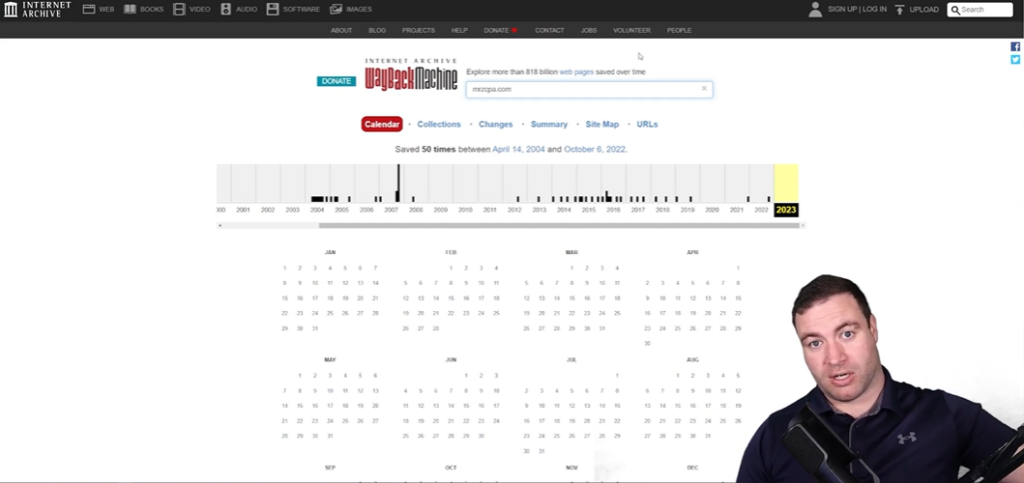
The Wayback Machine is a powerful tool when it comes to tracking domain history. I often find myself diving into its vast archives. It’s like peering into a time capsule of the internet. But how can we use it effectively?
First off, understanding how to navigate the Wayback Machine is essential. Simply input the URL of the domain you're interested in. Instantly, you get a timeline of archived snapshots. Being able to see what a site looked like in previous years can give you insights into its credibility and usability. Did the design change drastically? Was its content consistent? These details can shape your decision.
When examining past snapshots, I focus on a few key elements:
These factors all impact the site’s SEO potential.
I had a great experience validating a domain using the Wayback Machine recently. I found a domain that initially seemed lifeless, but as I scrolled through the history, I discovered it had been a thriving resource for graphic design. This historical insight prompted me to pursue the domain, and the backlinks I identified earlier proved fruitful in my SEO efforts.
However, not all that glitters is gold. While the Wayback Machine is a treasure trove, it doesn’t capture every detail accurately. Here are a few cautions:
In sum, the Wayback Machine is a valuable ally in domain validation, but always tread carefully. Use it alongside your other tools for the best results.
As I reflect on our journey on how to find expired domains, I realize how crucial it is to recap some key takeaways. First and foremost, having the right tools is essential. This cannot be overstated. Platforms like Spamzilla and expired domains dot net are invaluable. They allow for in-depth filtering and tailored searches to match your specific goals. Remember, an expired domain is not just a URL - it's an opportunity. But without the right approach, that opportunity could turn sour.
Now, let's face it. Mistakes happen. One common pitfall is not checking the backlink profile thoroughly. Rushing through your research can lead to disastrous results. Trust flow metrics are your friend! A domain with a low trust flow can drag you down in search rankings. I advise looking for domains with a trust flow of ten or more. It shows there’s authority present. Don’t let yourself be swayed by flashy names; ensure the substance seriously backs them up.
Another mistake? Ignoring the history. Using the Wayback Machine can unveil the original use of a domain. It’s like peeking behind a curtain. What was once a thriving site could have left a toxic footprint that impacts your new project. Always ask yourself: “What has this domain been through?”
Don't forget, I encourage you to share your own experiences with expired domains. Your stories could help others avoid those missteps we sometimes stumble into. Whether you found a gem or learned the hard way, your insights matter. We're all in this together.
Lastly, let’s foster a community of sharing. Best practices evolve, and we can all benefit from new perspectives. I urge you to engage. Drop a comment below with your take on expired domain purchases. Together, we'll cultivate a more knowledgeable audience, ready to tackle the unique challenges of this niche. So, are you ready to dive in?
In conclusion, navigating expired domain purchases is quite the task, but it can also be rewarding if done right. With thorough research, the right tools, and a community to support you, the sky is the limit. Let’s continue this conversation and explore the possibilities together!
Have you ever felt like you’re running a race only to discover that your competitors have a head start? That’s how I felt when I noticed some of my rivals were climbing to the top of search results while I was left in the dust. After a lot of trial and error, I discovered a method to close that backlink gap and gain an edge. Let me take you on this journey of backlink discovery like no other!
TL;DR: Learn how to get competitor backlinks and effectively close the backlink gap to boost your website's SEO performance.
A backlink gap analysis is a vital tool for any website owner looking to improve their search engine visibility. But what does this term really mean?
Simply put, it’s a method of comparing your backlink profile - the links pointing to your site - with that of your competitors. As I dive into this process, I often discover gaps: backlinks my competitors have that I don’t. Identifying these gaps reveals opportunities for growth.
Think of it like this: imagine you're running in a race, but your competitors have better shoes. Those shoes in this analogy are their backlinks. If you can find and acquire similar shoes, or backlinks, you can run faster in the race for greater traffic. Pretty powerful, right?
Why should we bother with competitor backlink analysis? Well, backlinks are a major determining factor in how search engines like Google evaluate and rank websites. When you analyze your competitors, you uncover their strategies.
As I’ve learned, backlinks are like votes of confidence from one website to another. The more quality votes you receive, the better your chances of climbing the search engine rankings.
Now let’s talk about how backlinks actually influence rankings. Search engines, particularly Google, utilize complex algorithms to determine which pages to show for a given query. Backlinks are a key element in this process.
When high-authority sites link to yours, it signals trust and relevance. Imagine Google is like a teacher grading students. If the popular kids - those high-authority websites - give you their thumbs-up, you’re more likely to get an “A” in search rankings.
Moreover, it’s not just about quantity. The quality of the backlink matters too. A single link from a respected site may hold more weight than multiple links from less credible sources. So, be strategic!
In my experience, conducting a backlink gap analysis can be the game changer in your SEO strategy. By identifying where those gaps lie, we can target specific websites and start closing that competitive gap. Trust me, the payoff can be significant!
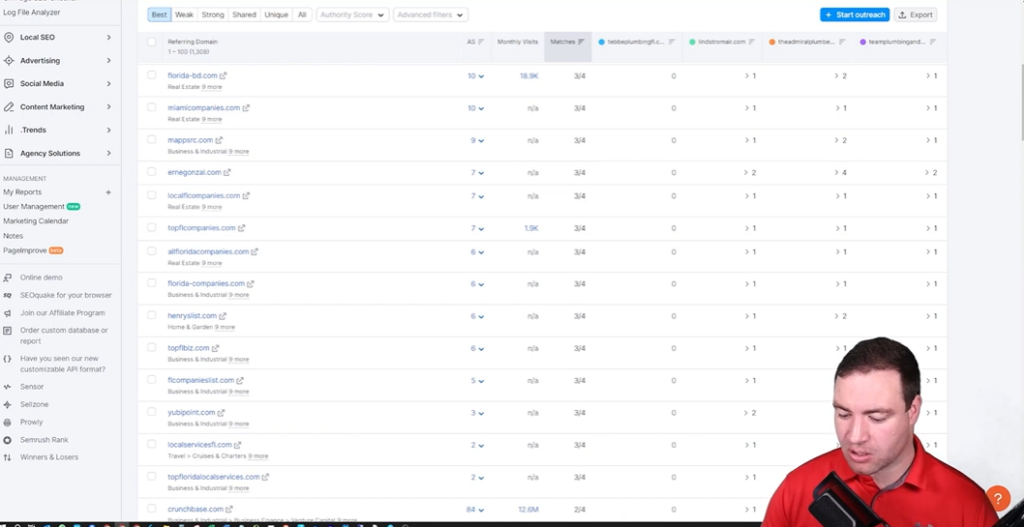
Backlink analysis is essential if we want to boost our site's ranking and visibility. This process on how to get competitor backlinks helps us understand what our competitors are doing right and where we might have gaps. Let’s break it down step by step together!
First off, we need to equip ourselves with the right tools. The right tools can make the entire process smoother. Here are some neat options:
With these tools, we can dive deep into backlink profiles and identify what we’re missing. There is also a simplified free backlink monitoring tool available. How cool is that?
So, how do we identify those backlinks our competitors have? It's surprisingly simple. After entering a competitor's URL into one of our chosen tools, we can generate a backlink report. This report will highlight:
Seeing which sites link to our competitors is crucial. It gives us insight, and more importantly, a roadmap. If they can get links from those sources, why can't we?
Now comes the nitty-gritty: documenting all our findings. I like to use a spreadsheet for this part because it keeps everything organized. Here’s what to record:
Using a spreadsheet allows me to visualize my backlinks gap. Trust me, it makes the strategy so much clearer! You can see at a glance what links we need to work on acquiring.
In conclusion, there’s no rocket science here. Just swift moves and organized tactics can close that backlink gap. As we analyze and document properly, we'll find ourselves a lot closer to those ranks we desire.
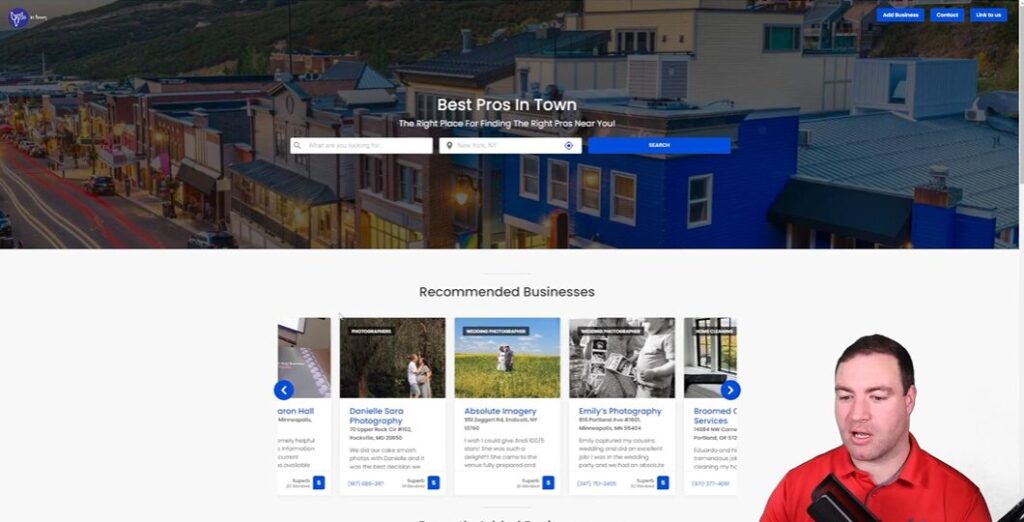
When it comes to link building, competition can feel daunting. However, with the right strategies, I believe you can level the playing field. Let’s dive into some effective methods to tackle your competitor's backlinks head-on.
First, let’s talk about the concept of a burner page. This is a quick, less critical page on your website that can handle lower-quality backlinks. Think of it as a safety net for links that you might not want tied directly to your primary business pages.
So, why do I recommend this? If you find a link opportunity that seems less relevant or from a less reputable source, you don’t have to turn it down outright. Instead, direct it to your burner page. This way, you still benefit from the link without compromising your main content.
Now, let’s address the quality vs. quantity debate. While it might be tempting to gather as many backlinks as possible, I’ve learned that it’s crucial to prioritize quality. A single high-quality backlink can often yield better results than ten low-quality ones.
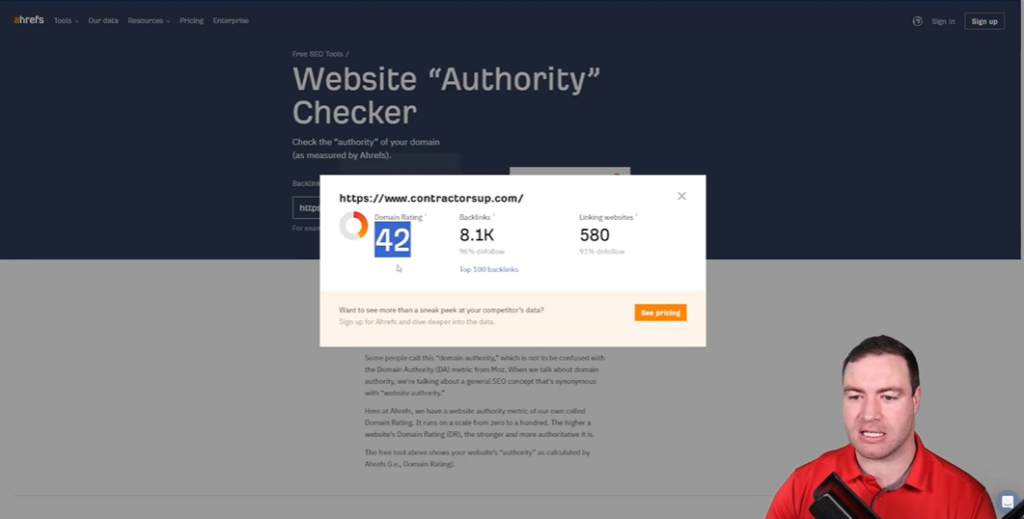
For example, if a competitor gets a link from a high authority site, that link is far more valuable than numerous links from obscure blogs. I suggest regularly auditing your backlink profile to ensure you're focusing on acquiring these high-quality links. Aim for reputable sites with high Domain Authority (DA). It’s worth every effort!
Lastly, let’s not overlook the power of past experiences. We all have trial-and-error stories in link building. Reflect on what works and what doesn’t. For example, think back to a previous outreach that generated fantastic results. What did you do right? Did the timing matter? Did your email stand out?
It’s helpful to document these instances. Create a spreadsheet of successful strategies, collaborations, and even what didn’t work. This plays into a powerful principle known as iterative improvement. Each time we learn from our past efforts, we become more adept at acquiring those essential backlinks.
To sum it up, don't underestimate the blend of a burner page, quality-focused strategies, and leveraging past insights to close that competitor backlink gap. It takes effort, but your hard work will pay off in the long run!
So, you’ve done the outreach. You’ve crafted the perfect email pitch, and you hit send, hoping for a response. But then, silence. What do you do? It’s frustrating, to say the least. Rejection is part of the game. But it doesn’t have to be the end of your backlinking efforts. Here are some alternatives:
When outreach efforts lead to dead ends, another option is to explore paid services for guest posts. This is a common strategy - one I’ve used before. Here’s how it works:
It’s essential to choose reputable services. Look for platforms that connect you with high-quality sites. Remember, not all backlinks are created equal. Invest in quality over quantity!
Every time I revisit my competitor analysis, I find potential. It’s like peeking at their playbook. Here’s how you can do it:
Don't ignore the power of continual learning. Backlink opportunities are constantly evolving. By keeping an eye on your competitors, you’ll always have fresh ideas.
As I reflect on the journey of creating our backlink strategy, I can't help but feel optimistic. The world of SEO is ever-changing, and so must we be. Continuous monitoring of competitor backlinks is crucial. It's like keeping an eye on the scoreboard during a football game. You wouldn't want to be caught off-guard when your competitors are scoring big while you're lagging behind.
To effectively close the backlink gap, we need to regularly analyze our competitors. Tools like Ahrefs or Moz can help us track their backlinks. But why stop there? We should also assess the content they're linking to and what strategies are driving traffic their way. Think of it as a treasure hunt where every backlink can unveil more insights.
In this digital landscape, standing still is not an option. Simply learning how to get competitor backlinks isn't enough. We must adapt our strategies based on our findings. If our competitors are gaining strength from a niche directory, that’s our cue to jump on those opportunities. Adapting may also mean shifting our content focus, experimenting with new outreach methods, or even tweaking our messaging.
Imagine standing at a crossroads. Do we follow the same path as others, or do we carve out our unique way? I believe in the latter. But to guide our path, we can learn from those who are succeeding.
“Imitation may be the sincerest form of flattery, but in SEO, it can also lead to success.”
Lastly, let’s talk about partnerships. Forming strong relationships can open doors to valuable backlinks. Whether it’s guest blogging, collaborations, or simply networking at industry events, the connections we make can be game-changing. Imagine having others promote your content while they benefit too. Win-win!
As I wrap this up, remember that building a sustainable backlink strategy requires ongoing effort and flexibility. Continuous monitoring, adapting our approaches, and creating partnerships will keep us ahead of the game. Implement these strategies, and you'll not only close the gap with your competitors but also build a robust link profile that withstands the test of time. Cheers to our collective success!
Ever received an odd backlink that made you question your website's integrity? In my years of experience in this business, I certainly have! I once found my site being targeted with bizarre backlinks, including one that even had an emoji in the anchor text. This blog post is about my journey in dealing with these toxic and pesky intrusions. I will give you more helpful insights on how to disavow backlinks for your website.
TL;DR: Learn how to identify and disavow harmful backlinks with my step-by-step guide using Google Search Console.
Backlinks, in simple terms, are links from one website to another. They act like a vote of confidence. When a site links to yours, it’s basically saying, “Hey, this content is worth checking out.” This is crucial in the world of SEO, as search engines view backlinks as indicators of a website's credibility and authority.
Not all backlinks are created equal. Some can boost your SEO strategies, while others may drag you down. Here’s how I differentiate them:
You might be wondering, “How can I tell which are good or bad?” A good metric is the domain authority of the linking site. High authority? Good backlink. Low authority? Potentially bad.
Backlinks play a pivotal role in your site's SEO. The more high-quality backlinks, the better your rankings in search results. Google sees them as endorsements. Think of it as having a mentor who vouches for your brand or expertise. Backlinks can significantly enhance your visibility and organic traffic.
When reputable sites link to a webpage, it indicates to search engines that the content is valuable and trustworthy, which can improve the site's ranking in Google search results. The quality and relevance of these backlinks are crucial; high-quality links from authoritative sources can boost visibility and traffic.
Additionally, backlinks play a significant role in shaping a website's overall link profile, affecting its competitiveness in search engine rankings. A diverse and strong backlink profile can enhance a site's reputation, increasing the likelihood of attracting organic traffic. As a result, businesses and webmasters often focus on backlink strategies as part of their broader SEO efforts to enhance their online presence and engagement.
Let me share some personal experiences. I once discovered a series of backlinks leading to my site, and they came from irrelevant sources. For instance, a site dedicated to shoe reviews linked to my blog about digital marketing. Odd, right? Others went as far as using emojis in their anchor text! Some are considered as unnatural links. They are links created to manipulate a website's search rankings.
These weird tactics clearly hinted at someone trying to sabotage my SEO. It’s sad but true. While they hoped to dilute my message, it was my responsibility to disavow links.
Remember, identifying bad backlinks and dealing with them effectively is essential for maintaining your site's integrity. Are you checking your backlinks regularly? If not, it’s high time you start!
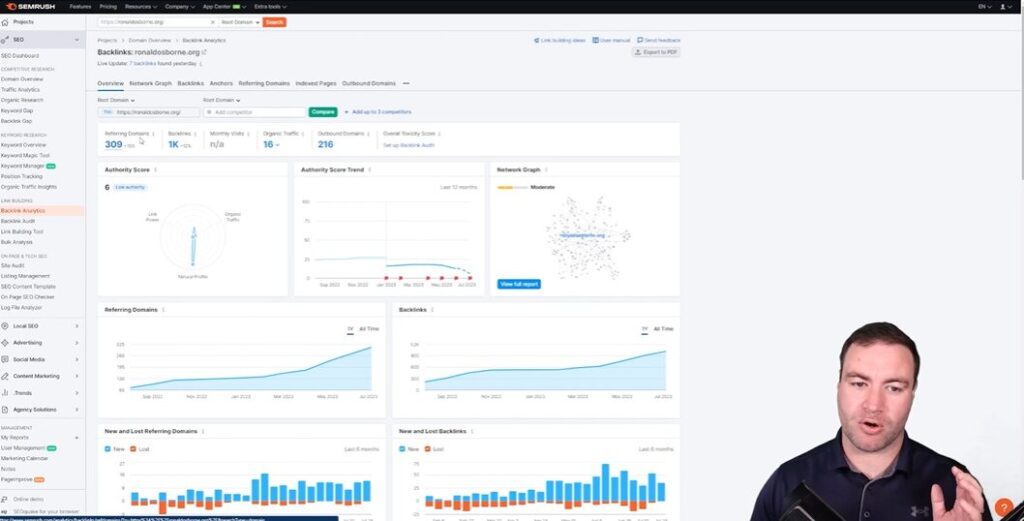
One of my go-to tools for identifying bad backlinks is SEMrush. It’s straightforward to use and incredibly an effective tool. When I first started monitoring my backlink profile, I discovered how simple it was to spot harmful backlinks. You begin by navigating to the referring domains section in SEMrush. Are you familiar with it? This tool allows you to dissect your backlink profile meticulously.
It's eye-opening to see which links are attached to your site. I once found a link from a questionable site with an emoji in the anchor text – that raised all sorts of red flags for me!
Next, you'll need to export your link profile from SEMrush. It’s a crucial step. You want to have a full list at your disposal. Why? Because it’s easier to analyze when you have all the data in one place.
After exporting, I recommend going through each link methodically. This is your chance to spot any oddities. Malicious backlinks can sneak up on you, so vigilance is key. If you see anything strange, take note.
Have you thought about your anchor text? Analyzing anchor text anomalies can tell you a lot about your backlinks. I found that some anchor texts were completely off-topic as compared to your links. This suggested someone was intentionally trying to sabotage my site's reputation. It felt like a gut punch. But identifying these oddities is the first step in addressing the problem. Look for:
Let me share a personal story. During my backlink audits, I stumbled across a site that linked to me – a spammy place with links to adult content! I was appalled. But this experience turned into a learning moment for me. Recognizing the importance of disavowing such links has been invaluable.
Now, I take a proactive approach. If I find anything suspicious, I add it to my disavow list immediately. Have you encountered similarly weird backlinks? It can feel overwhelming, but with the right tools and techniques, you can tackle it!
Identifying and acting on bad backlinks is essential for maintaining a healthy link profile. So, let’s get to it – don’t let those bad links hold you back. Take control of your SEO today!
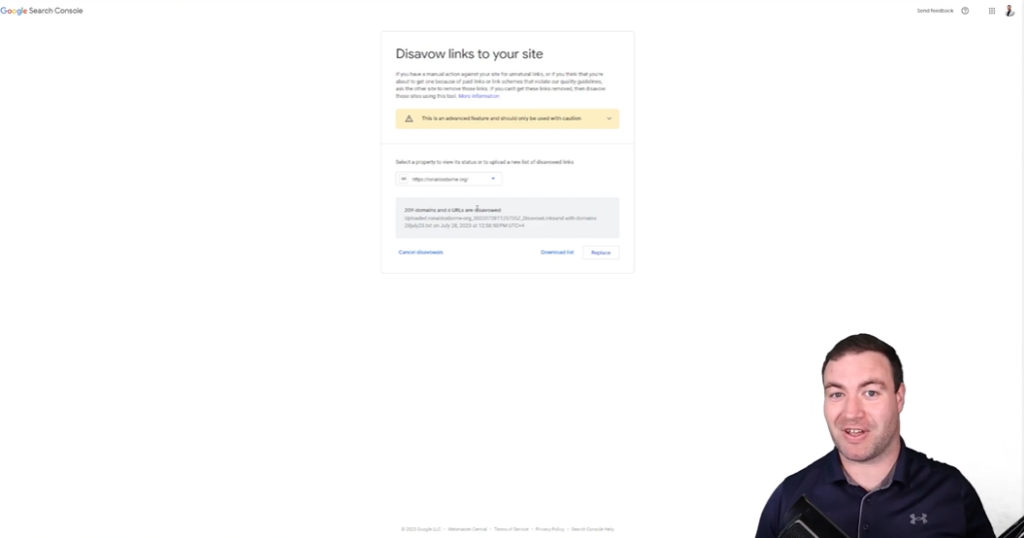
To begin the process on how to disavow backlinks, we need to access the Google Search Console. It’s an easy to use tool! Just go to https://search.google.com/search-console and sign in with your Google account. If you haven't added your website yet, take a moment to do that. Once you’re in, select the property you want to work with. It's convenient to have Google Search Console installed in WordPress for easy solutions.
This step might feel a bit daunting, but don’t worry! I recommend starting with a tool like Semrush to help identify bad backlinks. After analyzing your backlink profile, look for any suspicious links. Perhaps they have odd anchor texts or weird subdomains—these can be signs of trouble.
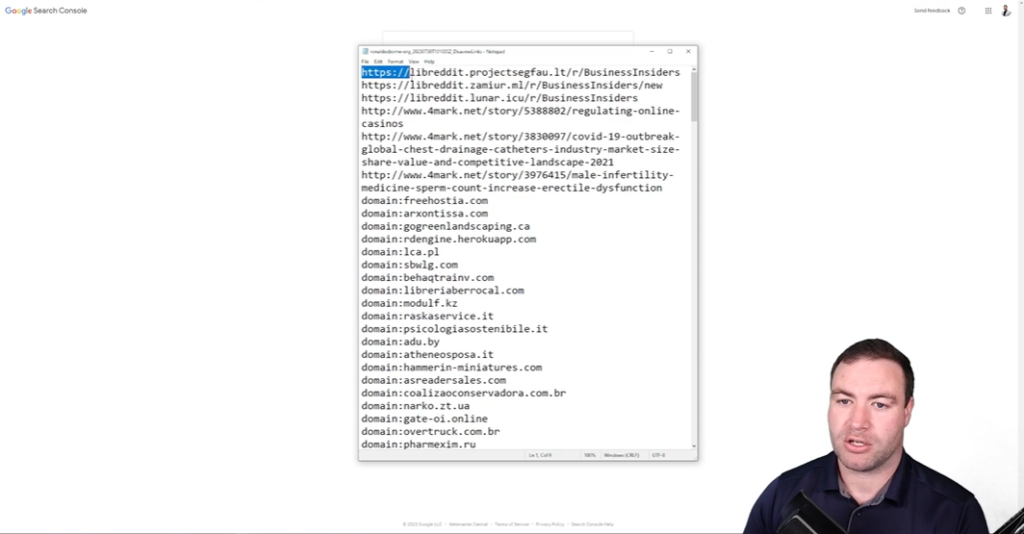
When you spot those nasty backlinks, export all of them into a list. Format it correctly:
domain:example.comhttps://example.com/pageNow comes the uploading part. Create a text file with your disavow list. Once it’s ready, go back to Google Search Console, navigate to the disavow tool, and choose the option to upload your file. That’s it! You'll see a confirmation that shows how many URLs or domains were successfully disavowed.
The process of submitting a disavow file involves carefully uploading documents that inform search engines about specific links a website owner wants to ignore. This step is usually taken to reduce the negative effects of low-quality or spammy links on a website's search engine ranking. By providing a disavow file, typically formatted as a plain text document, webmasters can specify the URLs or domains they believe should not be considered when evaluating their site's authority. It's essential to ensure that the disavow file is accurately prepared and uploaded using the appropriate tools provided by Google and other search engines, as incorrect submission of file can lead to unintended consequences for the website's visibility and performance in Google search results.
While disavowing is a useful strategy, it’s not without its pitfalls. One mistake I often see is people disavow good backlinks out of fear. That can really hurt your site’s SEO. Start with URLs before moving to entire domains. Another common error is incorrect formatting. Double-check your text file for typos or misconfigurations. A small mistake can lead to confusion and complicate things down the line.
Remember, once you disavow links or domains, you’re saying, “I don’t want this connected to my SEO.” So, take your time. Get it right.
When diving into the world of disavowing backlinks, there are several common pitfalls that many make. I've learned from experience that avoiding these mistakes can save you a lot of headaches down the line. It's important to proceed carefully and understand the potential risks involved. One key aspect to avoid is disavowing links without proper consideration. It's crucial to thoroughly analyze the backlinks to your websites, distinguishing between those that are truly harmful and those that may still provide value. When you disavow links without a solid reason, it can result in losing beneficial connections, which can ultimately damage your site's authority and Google search engine rankings. Additionally, it's vital to avoid rushing into disavowing links; taking the time to assess the context and relevance of each link is essential to ensure that the disavow process is justified.
Have you ever confused a subdomain with a domain? You're not alone. Domains are the main address of a website, like example.com. In contrast, subdomains are prefixes that create a separate section of the site, like blog.example.com. When you disavow a subdomain, it can affect that entire section of your website. Always double-check if you’re targeting the right entity.
One of the biggest errors is accidentally disavowing good backlinks. Imagine having a quality link from a respected site that boosts your SEO. If you mistakenly include that link in your disavow file, you could hurt your own ranking in Google search results and ruin your link building strategy. It’s crucial to thoroughly evaluate each link before adding it all to your disavow list. You wouldn't throw out a valuable asset, would you?
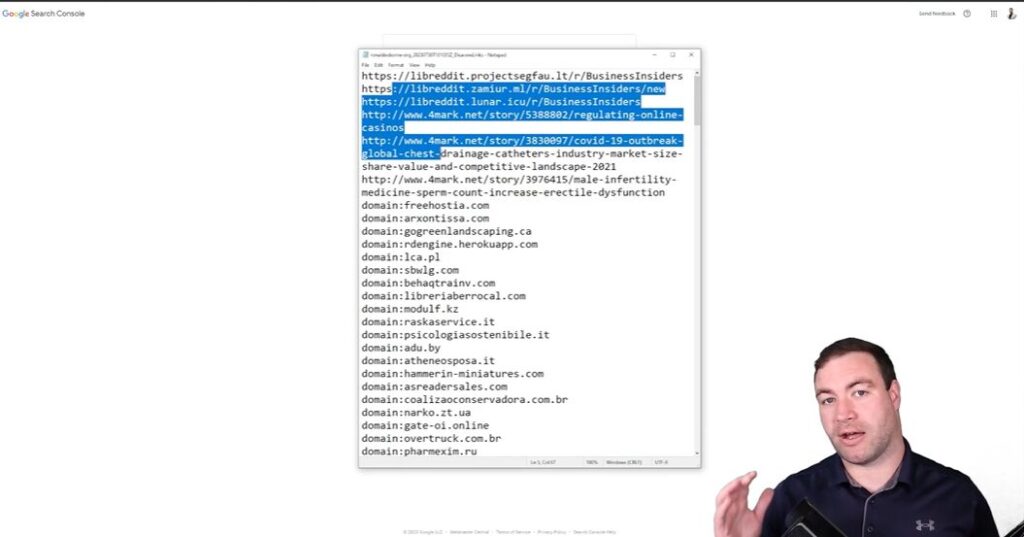
Let’s talk about formatting. A disavow file must meet specific guidelines set by Google. If you’re unsure of the formatting, take a moment to study the requirements. For instance, you need to write the full URL for particular links, while a domain disavow looks like domain:example.com. Missing or incorrect formats can lead to your file being ignored. Trust me, it’s better to double-check than to guess!
Finally, many forget that disavowing isn’t a one-time deal. Monitoring your backlinks should be an ongoing process. After you disavowi certain links, ensure you revisit your backlink profile regularly. New links can pop up, and you want to catch any harmful ones before they impact your site.
Another important factor is the timing and frequency of disavowing links. It's best to refrain from making disavowal requests too often or in reaction to minor changes in Google search rankings. Such behavior can indicate to Google and other search engines that a site is unstable or overly reactive, which could further complicate its position. Moreover, it's important to document the disavowal process and monitor any changes over time. This approach allows for more strategic link management, enabling site owners to make informed decisions based on the changing nature of their backlink profile. By following these guidelines, one can effectively manage the complexities of link disavowal while protecting the integrity of their website.
By keeping these pointers in mind, you can enhance your backlink management process. Remember, disavowing is an essential skill to protect your SEO health!
If you’re struggling with negative SEO tactics, don’t worry! I’ve been there too as I journey through making a name for my digital marketing agency. Disavowing backlinks can be a game-changer for keeping your site’s reputation intact. So, how do we do this effectively through manual action? Let’s walk through it step-by-step.
First things first. You need to spot those harmful backlinks. I recommend using Semrush. It’s a very straightforward tool. Navigate to the referring domains section and export your list of backlinks. You’ll see some strange subdomains and even odd things like emojis in the anchor text. That’s a red flag! These malicious tactics serve no purpose but to dilute your site's credibility.
Once you gather the list, it’s time to tackle the disavow process. Head over to the Google Search Console. Here’s a quick tip: always select the property you want to work on. In my case, it’s "Ronald Osborne." Make sure you're logged into the correct account. Otherwise, you might end up disavowing the wrong thing!
Creating the disavow list needs precision. You can format it in two main ways:
domain:example.comhttps://example.com/bad-linkIf you include 302 redirection links, make sure to disavow both the URL and the domain to cover all bases.
After I uploaded my list, I received confirmation. It’s vital to check how many domains and URLs you’ve disavowed. I had 209 domains and 6 URLs. If there are errors in your file, Google will let you know. You don’t want to miss any! So, start with specific URLs before going for an entire domain. It's safer that way.
Many people hesitate to disavow links for fear of damaging their sites and pages. I get that. Trust me; following these steps will keep you safe. Once you’re done, you’ll see your site’s standing start to strengthen again.
The world of backlinks can be confusing. But with the right techniques, you’ll handle it like a pro!
As I wrap up this discussion on how to disavow backlinks, I want to emphasize the importance of maintaining a healthy backlink profile. It’s not just about acquiring links; it’s about managing them effectively. In my journey with backlinks, I’ve learned that continual auditing is key. You can’t just set it and forget it. Backlinks can change in status without warning, and some may even become harmful over time.
So, how do we keep an eye on these sneaky links? I recommend scheduling regular audits, perhaps quarterly or even monthly. This practice not only helps you discover any suspicious links but also gives you peace of mind. I often turn to tools like Semrush or Ahrefs, which provide comprehensive details about your backlinks, even identifying harmful ones. What if I only find bad backlinks during my audit? That's where the power of the disavow tool comes in. I assure you, knowing how to use it is a game-changer.
There are numerous tools out there to manage your backlinks. Besides Semrush, I often rely on Google Search Console. This tool is invaluable for monitoring who’s linking to you. Without it, I’d feel lost in the backlink wilderness. Remember, staying equipped with the right tools is half the battle.
Now, let’s talk about strategy. A solid backlink strategy is crucial. It’s not just about acquiring a bunch of links; it’s about getting quality links. Are they relevant to your niche? Do they come from reputable sources? These questions are vital to consider. A strong backlink profile can significantly improve your SEO, leading to increased traffic and potential customers. Remember, it’s better to have a few high-quality backlinks than a pile of low-quality ones.
Lastly, I want to encourage you to stay proactive. It’s easy to get busy and overlook backlinks, but this can be detrimental. Set reminders to review your backlink profile, even when things seem smooth. As I’ve learned through my own experiences, being proactive can save you a lot of headaches down the road.
In conclusion, maintaining a healthy backlink profile is an ongoing journey. By continually auditing your backlinks, utilizing effective AI and other paid tools, focusing on quality, and staying proactive, you can protect your website's SEO value and reputation. Empower yourself with knowledge, and don't hesitate to act when something seems off. Cheers to building a thriving online presence and maintaining a good slot in Google's search results.
When I first dipped my toes into the murky waters of SEO, the landscape felt like a whirlwind of updates and strategies, leaving me perplexed. I remember a moment where a small change I made skyrocketed my site's ranking, and I couldn't help but ponder, 'What worked, and why?' That experience lit a curious fire in me about SEO testing, and today, I want to share that journey with you.
TL;DR: SEO testing is critical for optimizing website performance, saving costs, and boosting confidence. This guide covers the steps, benefits, and considerations to take into account when conducting SEO tests.
SEO testing refers to the structured examination of various strategies on websites to uncover what effectively boosts rankings in search engines like Google. It's crucial in today's fast-paced digital landscape. Strategies that worked yesterday may not work today. Why is that? The world of SEO evolves continuously. Therefore, testing helps us keep up with these changes.
Just like a chef experimenting with new ingredients for a recipe, we need to try different tactics for our websites. The primary benefit? Cost efficiency. For instance, if you discover that a strategy costs only $500 instead of a projected $2,000, you can apply that knowledge to save money for yourself or your clients.
Several key components make up SEO tests:
Setting up an SEO test environment sounds impressive but can be quite simple:
As I often emphasize, engaging with a testing group can be incredibly beneficial. For instance, being a part of Chris Palmer's testing group has allowed me to share ideas while keeping pace with SEO trends. Remember, just like in any experiment, some things might not work, leading to false positives. So always interpret your data carefully!
In summary, SEO testing is an ongoing journey of learning, experimenting, and optimizing - making it an invaluable part of effective digital marketing.
One of the most compelling reasons to dive into SEO testing is the cost-saving potential. Imagine this: you implement a strategy that costs you only $500. But instead of the expected $2,000, you achieve similar results! Wouldn't you want to apply that knowledge to your future projects? I certainly do. By performing targeted SEO tests, we can ascertain which strategies yield the best results for the least expense.
As Ron from Osborne Digital Marketing explains, understanding these costs not only benefits our clients but also reinforces our own work. It’s like having a treasure map leading us directly to the gold!
SEO can feel like a minefield at times. Random fluctuations in rankings can leave us questioning our decisions. But here’s the thing - when you test and measure your strategies, you build confidence in your marketing efforts. Isn’t it reassuring to see tangible evidence of your work’s impact? When we understand what works and what doesn’t, we are empowered to make bold, informed decisions.
I remember an instance with a plumbing website targeting the keyword “plumber near me.” By establishing a control group alongside the test group, I could see the real effects of my efforts. It’s like being a mad scientist in the SEO lab, creating results through experimentation - but with purpose!
Have you ever wondered why your traffic suddenly spikes or plummets? Understanding traffic fluctuations is crucial for any marketer. Testing allows us to identify the causes behind these changes. By comparing a test site to a control site, we gain insights that can guide future SEO tactics.
For instance, if I tweak some SEO elements on one site and observe changes, I can determine whether those adjustments influenced the rankings or if it was just a fluke. This kind of analysis is invaluable. It turns confusion into clarity.
In a rapidly changing digital landscape, it’s essential for us as marketers to invest time in SEO testing. Doing so reveals hidden opportunities, boosts our confidence, and demystifies traffic trends. Remember, every test brings us one step closer to becoming better at our craft!
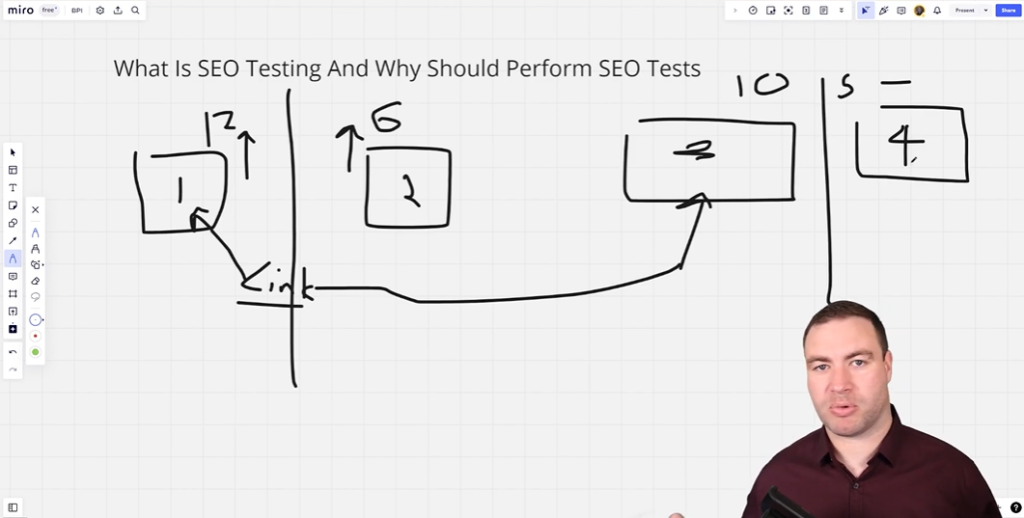
In the world of SEO, testing can feel like navigating a maze. But if we set up control groups and test subjects, we can find our way. A control group is a baseline: it doesn't change. The test subjects, however, implement the SEO strategies we want to test. For example, if I have a plumbing website, I might create two similar sites - one as a control and the other as the test subject. This clear division helps us observe the impact of changes accurately.
But why does it matter? It’s all about understanding what works. Imagine trying different recipes without keeping score. You wouldn't know which one to repeat. This method provides that clarity!
Once we've gathered data from our control group and test subjects, it's time for the fun part: analyzing the comparative results. Why is this step crucial? Well, it’s where we make decisions. Are our changes making an impact, or are they just random flukes?
For instance, after applying anchor text links to my plumbing site, I see an uptick in rankings. But was it because of my changes, or did the search engine just tweak its algorithms? This is where thorough analysis pays off.
Conducting effective SEO tests means following a few best practices. Simple, right? Here are some to keep in mind:
Every strategy we try paves the way for future decisions. Together, we can refine our SEO skills - one test at a time. Are you ready to dive in?

When discovering more about SEO testing, we must be aware of the potential challenges that can emerge. The landscape of SEO is ever-changing. So, understanding these hurdles can really help us navigate through effectively.
Have you ever experienced a sudden spike in rankings and thought, "Yes! My work is paying off!" only to later find that it was just a fluke? This is a common issue we face in SEO testing - a false positive. It happens when the data suggests an improvement that isn’t genuinely related to the changes we’ve implemented. For example, if a plumbing website saw a jump in rankings, it could be due to a temporary trend rather than our SEO tweaks.
Misinterpretations can lead us to chase ineffective strategies, wasting both time and resources. To combat this, using a control group becomes essential. By comparing our test site to a similar site that hasn’t undergone changes, we can evaluate what’s truly impacting our rankings. Not all changes lead to measurable results, and awareness of false positives helps sharpen our focus.
SEO testing can be costly if we’re not careful. But here's the upside: effective testing can save us money in the long run. If we can determine that a strategy improves rankings for only $500 rather than the expected $2,000, then we can allocate resources smartly. I’ve seen it first-hand - cost efficiency can be a significant advantage.
So how do we keep costs manageable? Focus on testing strategies that are likely to yield results. Prioritizing on-page SEO first is usually a great place to start. Remember, this part of SEO often makes up around 60% of our overall efforts. It’s easier to control and can significantly impact our rankings.
Crafting a balanced testing strategy is like cooking. You wouldn’t toss every spice into a pot without thought. The same goes for SEO testing. If we don’t have a well-structured approach, we risk clouding our data with unrelated variables.
Testing isn’t just about throwing techniques at a wall to see what sticks. It requires careful consideration, strategy, and a willingness to learn from outcomes - both good and bad. These challenges remind us that SEO is as much about analyzing data as it is about implementing changes.

When it comes to improving our SEO strategies, the power of community cannot be overstated. Sharing insights and results with peers opens up endless opportunities. Why tackle problems alone when you can brainstorm with others who have faced similar challenges?
Within a testing group, members can compare results and learn from each other’s experiences. This kind of collaboration creates a positive feedback loop where success breeds more success. As they say, “Two heads are better than one.” By pooling our knowledge, we can identify what works - and what doesn’t - more efficiently.
So, where do we find these knowledgeable groups? There are many online forums and platforms dedicated to SEO testing. I found Chris Palmer’s testing group to be a great example. Here, we bring diverse experiences together to tackle SEO challenges. Engaging with fellow SEO enthusiasts who understand the intricate details of the field can be incredibly beneficial for our growth.
Connections made in these groups can lead to mentorship opportunities. This support can prove invaluable as we navigate the ever-evolving landscape of SEO, where tactics that were once effective may no longer yield the same results today. Having a reliable support network is crucial, especially when the pressure to produce results is high.
SEO can be daunting, especially with all the algorithm changes happening regularly. A testing group can be a haven for collaborative problem solving. We can share strategies, discuss failures, and even conduct live tests to see what changes lead to tangible results.
For instance, consider testing SEO techniques on sites that are similar in nature. Comparing a plumbing website with a competing plumbing site offers more relevant data than mixing unrelated fields like plumbing and affiliate marketing. This focused approach helps us gather actionable insights that we can apply to our own work.
In conclusion, joining a testing group enriches our understanding of SEO. It provides a platform to exchange knowledge, receive support, and ultimately, improve our strategies. Embracing community can transform the often solitary task of SEO into a collaborative journey. Why go alone when we can thrive together? Let’s come together and unlock the full potential of our SEO efforts!
G'day! As a digital marketer, I've often found myself at the crossroads of PPC and SEO. Let me share a little story: Just a few months back, I met a roofer who was frustrated with his lacking online visibility. His big question for me was simple yet profound: 'Should I invest in PPC ads, or is SEO the way to go?' It made me realize how many of us grapple with this dilemma, and today, I'm here to shed light on both strategies, helping you to make a decision that resonates with your business goals.
TL;DR: Choosing between SEO vs PPC? Learn the pros and cons of each, how to analyze your unique situation, and make an informed decision that boosts your business visibility and profitability.
Let’s start with the basics. PPC stands for Pay-Per-Click. This is an advertising model where businesses pay a fee every time someone clicks on their ad. Think of it as buying visits to your site. On the other hand, SEO or Search Engine Optimization is all about optimizing your website to rank higher in organic search results. Essentially, with PPC, you pay for visibility, while with SEO, you earn it.
Have you ever noticed those ads that appear at the top of your Google search results? Those are PPC ads. They're typically labeled as "sponsored" and grab your attention immediately. In contrast, organic results usually appear underneath these ads and are based on the quality of the content rather than payment.
Picture this: You search for a popular term like "Best coffee maker." The first few results that pop up are PPC ads. They can generate immediate traffic. But scroll down a bit, and you'll see more trusted results. This is where the power of SEO shines. It may take time to achieve, but those top organic rankings often lead to better long-term engagement.
Now, let’s talk money. With PPC, your initial investment can be significant. You might spend costs from as little as a few cents to over a hundred dollars per click. In contrast, SEO requires a different kind of investment. You need to allocate budget for content creation, website optimization, and perhaps even hiring a digital marketing expert. But, here’s the kicker: while PPC can cost you upfront, SEO has the potential for a higher return on investment over time.
When we consider target demographics, PPC often allows for precise targeting. You can choose who sees your ads based on location, interests, age, and more. This targeted approach helps businesses connect with specific segments of their audience. SEO, however, tends to draw users who are actively searching for relevant information or products. It’s a more organic reach but takes more time to develop.
Here’s where the big contrast lies. PPC offers instant visibility. If you need quick leads or have a time-sensitive offer, PPC can be incredibly powerful. However, the moment you stop paying, that visibility vanishes. SEO, on the other hand, is a long-term strategy. It requires patience and consistency. Over time, good SEO practices can lead to sustained traffic without the need for ongoing payment.
So, what’s the best strategy for your business? It often boils down to your immediate needs versus your long-term goals. If you're looking to build brand awareness and patience is a virtue, SEO is for you. If you're in a rush to see results, PPC might just be your go-to solution.
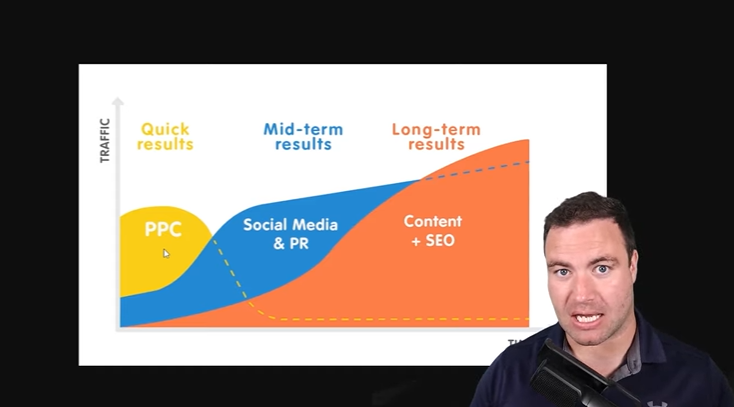
Pay-Per-Click (PPC) advertising can be a powerful tool for businesses. Here are some key advantages:
However, there are some downsides:
Search Engine Optimization (SEO) offers its own set of strengths:
But SEO isn’t without challenges:
When evaluating costs and returns, it varies by industry. For instance, in the roofing sector, I’ve seen how a $6,000 PPC investment can lead to contracts averaging $40,000. That’s a pretty attractive ROI.
In contrast, industries like plumbing might not fare as well. They often have high operational costs, leading to poor return ratios when relying heavily on PPC. This highlights the importance of evaluating your niche.
PPC is ideal when you need quick leads. If you're launching a new product or facing a seasonal rush, this route is beneficial. On the other hand, SEO is the way to go for long-term growth and brand building.
Do you want results fast? Go PPC. Want credibility? Focus on SEO. This best explains SEO vs PPC.
From my experience, I’ve utilized both strategies. Initially, I relied heavily on PPC. The instant gratification was nice, but my finance department wasn’t thrilled when the bills came in. Then I turned to SEO. Over time, leveraging quality content has significantly paid off.
Analyzing my strategies allowed me to balance both approaches, attracting leads immediately while fostering a sustainable, trustworthy online presence. This blend has been a game-changer for my business.
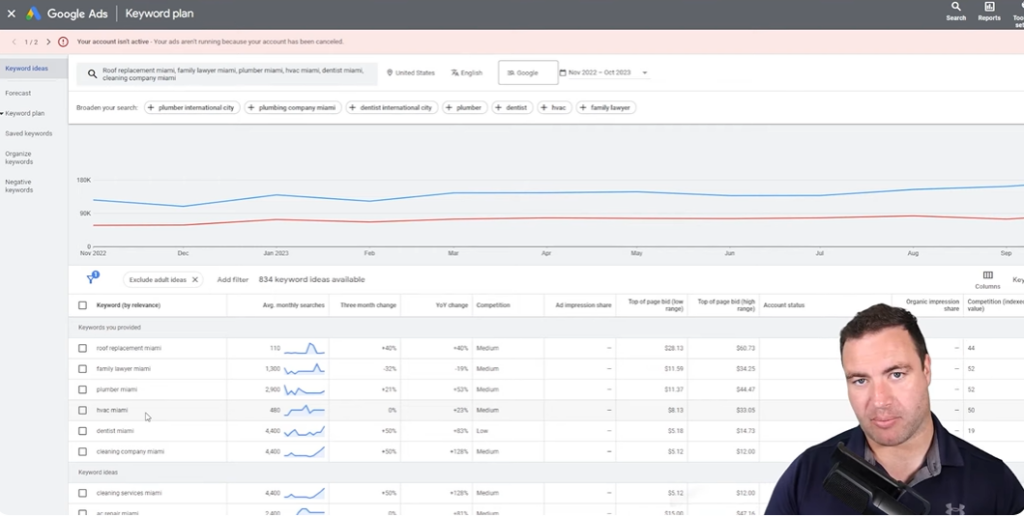
First things first, we need to take a good look at where we stand online. It’s crucial. Think of it as taking a selfie of your business. Are you putting your best face forward?
Start by asking yourself:
Analyzing your business's online presence helps identify strengths and weaknesses. Make a list. Sometimes, seeing things on paper creates clarity.
One tool I can't stress enough is the Google Ads Keyword Planner. This gem will help you uncover potential keywords to target for your campaigns. It’s like a treasure map leading you to valuable leads.
To use it:
For example, if you’re in the roofing business and search for “roof replacement Miami,” look closely. The high-end bid range tells you how much you’ll spend per click.
Ever wondered what others in your field are up to? Evaluating your competitors’ PPC strategies can provide invaluable insights. It’s like peeking at your neighbor’s yard to see what works for them.
Here’s what I recommend:
Great news! There are plenty of free resources for those just starting. You don't have to spend a fortune to get valuable insights.
Using these tools, you can gather essential data without breaking the bank.
Lastly, don’t shy away from seeking help. Sometimes, it pays to consult the pros. Have you ever felt overwhelmed by the data?
Consider if it's time to involve experts when:
Consulting with professionals can save you headaches and money. It’s about finding the right strategy for your business.
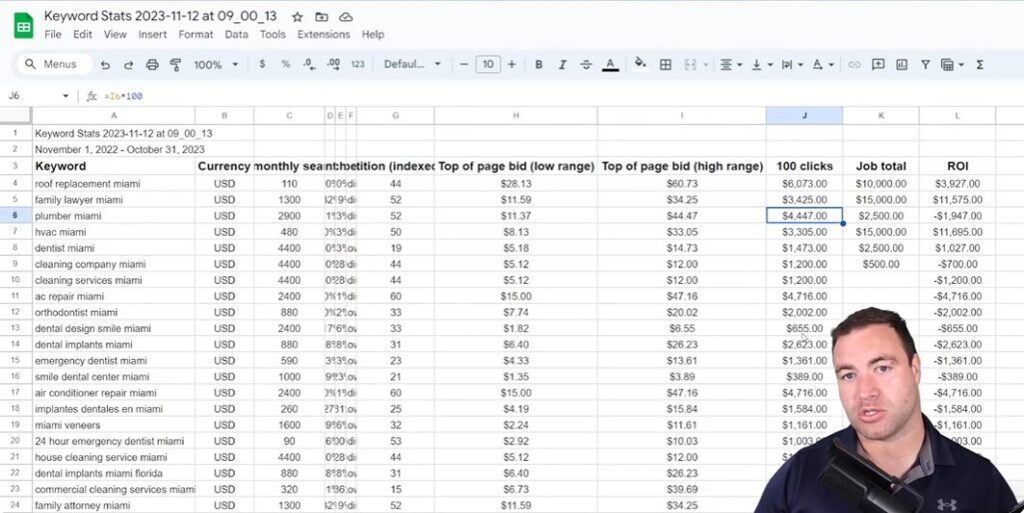
When diving into the world of Pay-Per-Click (PPC) and Search Engine Optimization (SEO), understanding costs is crucial. What expenses can you expect? Both methods require investment, but their costs can vary greatly. PPC campaigns can start small but can escalate quickly depending on competition and keywords. You might spend $1 for a click or upwards of $20. That's quite a difference!
SEO, on the other hand, is more of a long game. You won't pay per click, but you will pay for content creation, link building, and possibly hiring experts to optimize your site. While initial costs may seem steep, the long-term benefits can be substantial. In my experience, the ROI from effective SEO can reach $3 to $5 for every $1 spent.
Analyzing profit margins is essential. If I invest in PPC and see a minimal return, what’s the point? Let’s consider an example: you spend $6,000 for PPC ads in the roofing industry, targeting high-value leads. With a typical contract worth $40,000, the ROI looks promising.
But, if your industry’s margins are tighter, like plumbing, that same investment may not yield favorable results. This thorough assessment is vital. Is the profit worth the investment? We shouldn’t just jump into campaigns without knowing how they align with our financial goals.
Budgeting isn't just for individuals. Businesses must also be careful with their finances. Effective management means setting aside a clear budget for PPC and SEO. I recommend percentages of your total budget based on your performance estimates. For instance:
Tracking expenses in real-time can help prevent overspending and keep campaigns focused.
Think of spending on PPC and SEO as an investment in your business. Just like stocks, you don’t just buy and forget. Regularly analyze your returns. Are you gaining traction? Are leads converting to sales? Every dollar spent should work towards growth.
When I look at my analytics, I often ask myself, “Is this working for me?” This mindset can shift spending from being a burden into an opportunity for expansion.
Data is your best friend in digital marketing. Use analytics tools to monitor your campaigns daily. I prefer using tools like Google Analytics and Ads Reporting to visualize ROI. If something isn’t performing as expected, it’s crucial to pivot quickly. Perhaps changing keywords or halting an ineffective campaign.
Remember, flexibility is key. Just because you initially planned a certain path doesn’t mean you’re locked into it. Don’t be afraid to adjust. Stay nimble.
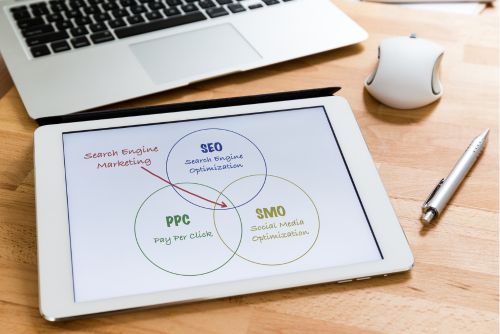
When we dive into marketing strategies, a fundamental debate arises: long-term vs. short-term. Have you ever noticed how some businesses seem to pop up overnight while others build their presence slowly over years? Short-term strategies, like PPC (Pay-Per-Click), deliver swift results. You might launch a Google Ads campaign, and voilà - your business appears at the top of search results in no time. Sounds great, right?
However, the flip side often involves increased costs without guaranteed returns. Think about it: If you're spending money on ads every month and not earning it back, is that sustainable? On the other hand, there’s SEO, which is all about the long game. It takes time, effort, and a whole lot of patience to climb those search engine ranks. But once you’re established, you can enjoy the sweet benefits of organic traffic, often returning $3 to $5 for every dollar spent. It’s like planting a tree; with careful nurturing, the longer you wait, the more fruit it yields.
So, should we choose one approach over the other? Not necessarily. I believe in the power of combination. By merging short-term tactics like PPC with long-term strategies like SEO, we can create a robust marketing plan. For instance, while your SEO efforts take root, PPC can provide immediate visibility. This dual approach allows us to cater to immediate needs while ensuring a sustained growth trajectory.
Speaking of growth, let’s talk about adapting to new trends in digital marketing. The digital landscape is ever-changing. Every day, new tools and strategies emerge. Staying on top of these trends isn’t just beneficial; it’s essential. Businesses that cling to outdated methods risk falling behind. Ask yourself: are you keeping up? If not, now’s the time to pivot and explore new avenues!
Next, we must focus on building trust and authority within our niche. It’s not enough to throw a bunch of content out there and hope for the best. Genuine trust comes from consistent, quality engagement with your audience. When they see your brand as a reliable source of information, they're more likely to convert. This could mean creating valuable blog posts, engaging on social media, or even providing free tools or consultations.
Finally, let’s emphasize the power of investing in learning and continuous improvement. The marketing world is rich with resources. From online courses to workshops, embracing learning can offer fresh insights to sharpen our strategies. Are you investing in your knowledge? In a field that evolves swiftly, continuous improvement can be your ticket to staying ahead of the game.
In our quest for effective marketing, it’s clear we need a balanced approach, openness to adapt, and an unwavering commitment to building trust. We’re on this journey together! Let’s keep exploring.
As we wrap up this exploration of SEO vs PPC, it's essential to reflect on the key points we've analyzed. Both strategies offer distinct advantages and challenges. PPC can deliver instant leads but often doesn't offer the best return on investment in the long run. In contrast, SEO takes time and effort to establish but can yield a significantly better ROI. It’s clear that understanding your business needs can greatly influence your choice.
I'd love to hear your thoughts. Have you had experiences with either of these strategies? What worked for you? Engaging with you on this topic could help all of us better navigate these waters. Sharing our experiences can pave the way for learning and improvement, and I am here to listen.
If you’re unsure about your approach or need help customizing your strategy, I encourage you to reach out for further consultation. My journey has taught me that partnering with knowledgeable digital marketers can provide the insights necessary to make confident decisions and avoid pitfalls. Don’t hesitate to ask for guidance; sometimes, a fresh perspective can make a world of difference.
Reflecting on my own path, I can tell you that the digital marketing landscape is complex. I started out just focused on PPC, intrigued by its immediate results. However, over time, I realized that SEO’s long-term benefits were undeniable. It taught me the value of persistence and the importance of building a trustworthy online presence. Trust me; it’s a journey worth embarking upon.
In my experience, leveraging both PPC and SEO has been the most effective strategy. While PPC provides that quick access to potential clients, SEO is an investment in your future. Just as a garden takes time to grow, so does your online authority. The dual approach allows you to benefit from both immediate and long-lasting results. Whether you decide to dive deep into PPC, pursue SEO, or blend both strategies, find what suits your particular situation.
Ultimately, your decision should align with your specific business needs and budget constraints, as well as the dynamics of your market. I’m here to help guide you through these choices. So, let’s connect further! Together, we can navigate this fascinating landscape of digital marketing, ensuring that you find the right path toward success. Thank you for joining me on this journey, and I look forward to hearing from you!
Hey everyone! I’m Ron from Osborne Digital Marketing, and today I'm diving into a topic that every website owner should pay close attention to - keyword cannibalization. I remember when I first noticed that my own pages were stepping on each other's toes in search results. It was a lightbulb moment, realizing that my efforts to optimize had inadvertently created more problems than solutions. Let’s unpack that experience together and create more helpful and useful SEO strategies.
TL;DR: Keyword cannibalization can damage your site's SEO. Learn what it is, how to spot it, and actionable tips to resolve it.
As someone who has navigated the complexities of SEO, I want to shed light on a common pitfall that many website owners face: keyword cannibalization. But what exactly does that mean? Let's break it down.
In simple terms, keyword cannibalization occurs when multiple pages on your website compete for the same keyword. This can confuse search engines like Google. They struggle to determine which page is most relevant to display for that keyword. Think of it like a race; if you have several horses (or pages) going for the same finish line (the keyword), how does Google know which horse to bet on?
Let’s say I have two articles optimized for “on page SEO”. If someone searches for this term, Google faces a tough decision. Which page should it send the user to? The same applies if I had three pages targeting “local SEO”. I experienced this in my own stats - three pages were strangely competing for the same keyword. While this didn’t raise immediate alarms, one of those pages could potentially attract significant traffic. Here’s where action is necessary.
Now, you might wonder, "What's the real impact of this?" Well, when search engines can't figure out which page to rank, your overall SEO performance can suffer. This means you might lose potential visibility, traffic, and, ultimately, revenue. Not great, right?
To address this, I recommend using Google Search Console. Check out the average positions for your keywords. By analyzing which pages are ranking for specific queries, you can pinpoint where cannibalization occurs. I found instances of competition among my own pages - three articles for local SEO. Considering the strategy, I would consolidate these weaker pages into the strongest one, redirecting traffic appropriately.
Also, don’t underestimate the significance of proper URL structure. Duplicate pages can arise due to mismanagement, and that’s where canonical tags come into play. These tags indicate which version of a page is the priority, helping Google make sense of similar content.
By recognizing and resolving keyword cannibalization, we can fortify our SEO strategies and enhance visibility where it matters most.
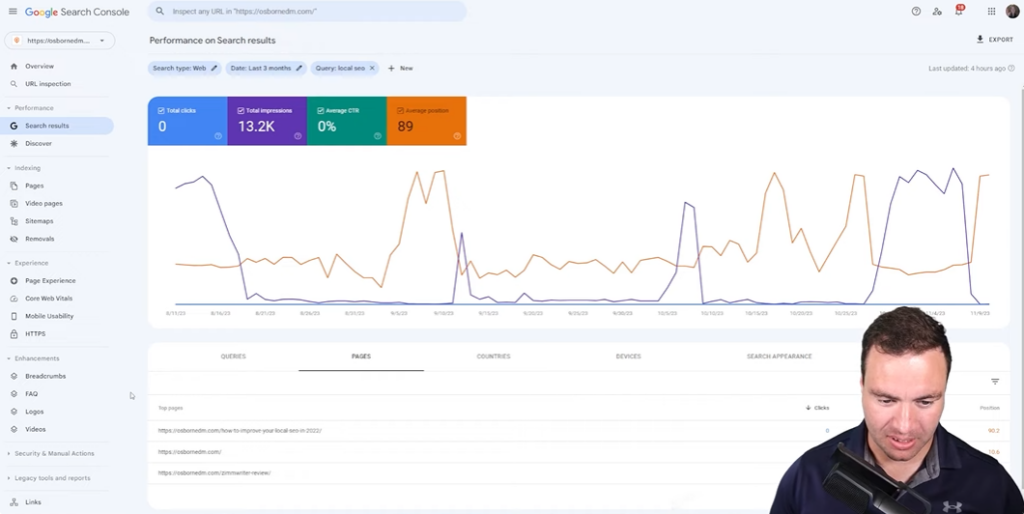
Cannibalization in SEO can mess with your performance. It's when multiple pages on your site compete for the same keyword. This creates confusion for search engines, like Google, on which page to rank. So, how do we identify and resolve these issues? Let’s break this down.
The first step is to utilize Google Search Console. This tool is essential for identifying potential keyword cannibalization. When I first accessed it, I was surprised by the amount of data available. It really opened my eyes. Here’s how to get started:
This process can illuminate exactly where cannibalization issues lie. I once found three of my pages competing for “local SEO.” Not a good place to be! If you see multiple pages ranking for the same keyword, you’ll need to take action.
Now, what about finding those pesky competing keywords? It’s crucial to understand which terms your content covers. Here’s what I do:
For example, if you have two articles on similar topics, one might be getting all the clicks while the other is left in the dust. In that case, you might want to combine them into one strong article to focus your SEO efforts.
Lastly, let’s talk about query types. Not all keywords are created equal. There’s a big difference between exact match and broad match keywords. An exact match is when someone types in your specific keyword. A broad match, on the other hand, captures more generalized searches that may encompass your keyword but aren’t exact.
Why does this matter? Well, if you’re just focusing on broad queries, you might miss out on capturing traffic for more specific keywords. Understanding this can help avoid cannibalization and clarify which pages should target which keywords.
Through the combination of these techniques, identifying and addressing keyword cannibalization becomes a lot easier. So, let's make sure we're aligning our pages correctly to enhance our SEO strategy, shall we?
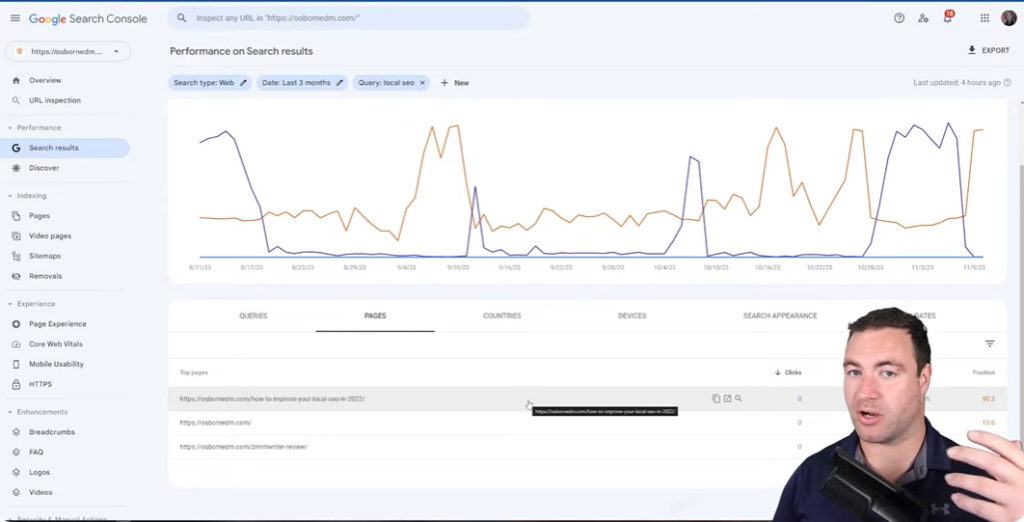
Keyword cannibalization is a frustrating problem. It occurs when multiple pages on your site compete for the same keyword. This is like having two people at a party trying to grab the attention of the same guest. Who gets the spotlight? The result? Search engines, like Google, may struggle to determine which page should rank. So, how do we fix this? Let’s dive into some strategies I’ve found useful from my experience.
First off, we need to look at our low-performing pages. Are they bringing traffic? Probably not. If we have pages that are competing for the same keyword but aren’t generating much interest, it might be time to detune them. This process involves:
It’s like decluttering your closet. Sometimes, you just have to get rid of what’s not working!
On the other hand, we should focus on our high-performing content. It’s great if we have standout pages that resonate with our audience. The goal is to consolidate these pages, which can sometimes mean:
This approach not only enhances user experience but also builds authority on a single page. Imagine condensing ideas from several books into a single masterpiece!
Finally, let’s talk about canonical tags. These little guys can save your SEO. They tell search engines which version of a page should be indexed when there are duplicates, like variations generated by categories or tags. If you have similar pages, implementing a canonical tag can significantly reduce confusion. Remember:
<link rel="canonical" href="URL"> in the HTML of your pages.This strategy is crucial in helping search engines understand which page to prioritize. Think of it like having a clear map on a complex journey.
By applying these strategies - detuning low-performing pages, consolidating high-performing content, and using canonical tags - we can effectively tackle keyword cannibalization. It’s all about clarity and focus!
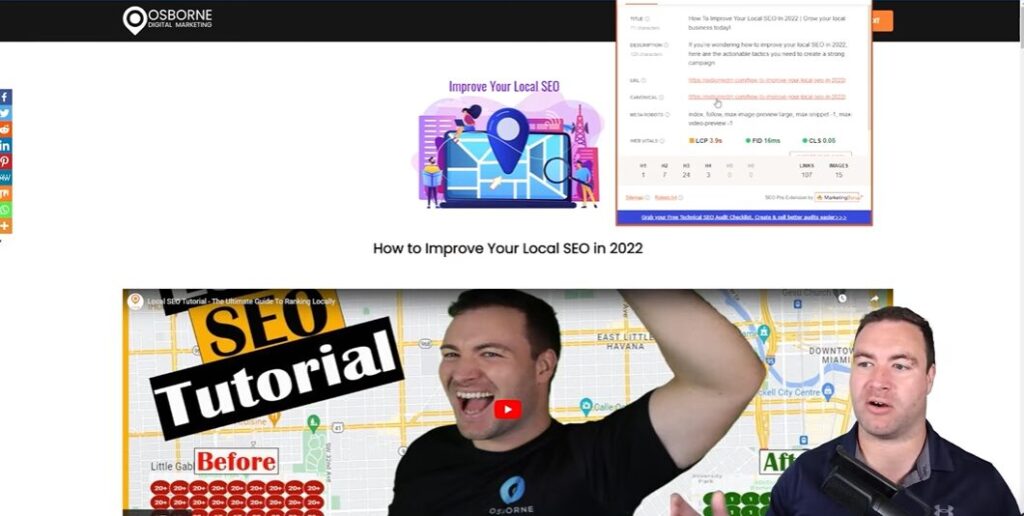
Keyword cannibalization can be a real pain in the neck when it comes to your site's SEO health. It happens when multiple pages try to rank for the same keyword. Think of it as too many cooks in the kitchen. When everyone’s trying to grab attention, it confuses search engines like Google about which page to rank highest. So, how do we prevent this from happening? Let’s dive into some key strategies.
A structured content plan is our roadmap. Without it, we risk creating multiple pages that overlap in their keywords and purposes. I’ve seen first-hand how a well-organized plan can help channel our efforts. It keeps things clear. Here is what you could do:
By locking in our keywords, we make it easier for Google to understand and rank our content. Wouldn’t it be great to have a clear direction instead of floundering around?
Regular audits are like health checks for your site. Just jump into Google Search Console. You’ll find a treasure trove of information about how your pages are performing. For instance, when I looked into my own stats, I discovered three pages competing for the same keyword - local SEO.”
This isn’t just a numbers game; it's about engagement and mobile clicks too. If one page has a significantly higher impression count than the others, consider consolidating. Combine your weaker pages. Redirect their traffic to the stronger one. This simple action can streamline your SEO efforts.
SEO isn’t set in stone. It’s a constantly evolving field. Keeping your finger on the pulse of SEO best practices is essential. Consider the importance of canonical tags, for instance. Setting a canonical tag correctly tells Google which page should be prioritized. This is especially critical if we have pages generated by categories or tags. Without it, our pages can end up competing against one another unnecessarily.
We can all benefit from webinars, online courses, or SEO blogs that provide the latest insights. Staying informed makes a world of difference. Remember, effective SEO is about being proactive rather than reactive.
In summary, by creating a structured content plan, regularly auditing our site, and staying updated on best practices, we can mitigate future cannibalization issues. It’s all about clarity and focus to ensure that we’re not stepping on our own toes in the SEO arena.
As we wrap up our discussion on SEO, it’s essential to recap some key points. We explored the issue of keyword cannibalization and its negative impacts on search rankings. We discussed how multiple pages can compete for the same keyword, leading to confusion for search engines like Google. I shared my experiences using Google Search Console to identify these issues, and I hope you found those insights valuable.
Looking ahead, the significance of focusing on unique keywords becomes all the more clear. Imagine having two pages optimized for similar search terms. It’s like a culinary competition where both chefs make the same dish; it can quickly become a struggle for the judges to determine the winner! This analogy emphasizes why it's vital to create pages around distinct keywords. It not only helps search engines understand our content but also allows us to cater more effectively to user intent.
Now, I can’t stress enough how important it is to regularly audit and refine your content. Just as we wouldn’t let clutter build up in our homes, we shouldn’t let outdated or overlapping pages clutter our websites. A simple content audit can reveal areas where we can consolidate similar pages or revise them to target different keywords. It’s a proactive move that can lead to better rankings and increased organic traffic.
“To boost your SEO effectiveness, focus on clarity, uniqueness, and regular maintenance.”
By keeping an eye on our keyword strategy and ensuring clarity in our page structure, we can significantly lessen the risks of cannibalization. Overall, taking these steps reinforces our SEO strategies and strengthens our online presence. I encourage you all to look at your own content and ask: Are there areas where I can improve? Are my keywords unique enough to stand out?
Ultimately, a deliberate approach to keyword strategy will lead to better results in the long run. Let’s stay proactive, stay informed, and take our SEO endeavors to the next level.
Hey there! Ron from Osborne Digital Marketing here. Let me kick things off with a little story. Picture this: a thriving chiropractic clinic, busy with new patients, suddenly faces a zero-patient month after they dived headfirst into AI-generated content. Panic sets in, and that’s where I swoop in to help turn the tide. Join me as I share how we navigated the stormy waters of SEO recovery and recover from any Google penalty effectively.
TL;DR: Recovering from a Google penalty is challenging, but actionable steps like keyword analysis, backlink review, and content evaluation can turn your ranking around. Follow my case study for insights and strategies!
A Google penalty is a punishment imposed on a website for violating Google's Webmaster Guidelines. This can occur due to various reasons, such as deploying black hat SEO tactics or having poor-quality content. When a site is penalized, its rankings drop significantly. Sometimes, it can even disappear from search results altogether. Can you imagine pouring your heart into your website only to find it can't be found? That’s the harsh reality of a Google penalty.
There are two major types of penalties - algorithmic and manual.
The impact? Businesses can face serious consequences, such as a reduced number of visitors and dwindling sales.
How can you tell if your site is in trouble? Here are a few signs:
These indicators can be alarming. If you spot any, it’s time to investigate.
Let me share a story. One of my clients was a chiropractic clinic trying to boost their online visibility. They used AI-generated content from ChatGPT, thinking it would attract more clients. Initially, they saw success - new patients were pouring in. However, that joy was short-lived. They experienced a shocking drop in patient acquisitions: they went an entire month without a single new patient!
The clinic was employing four chiropractors, so you can imagine the panic. My focus was not just on traffic; rather, it was about revenue generation. After several months of recovery efforts, we managed to bring in 23 new patients. That's the power of understanding Google penalties!
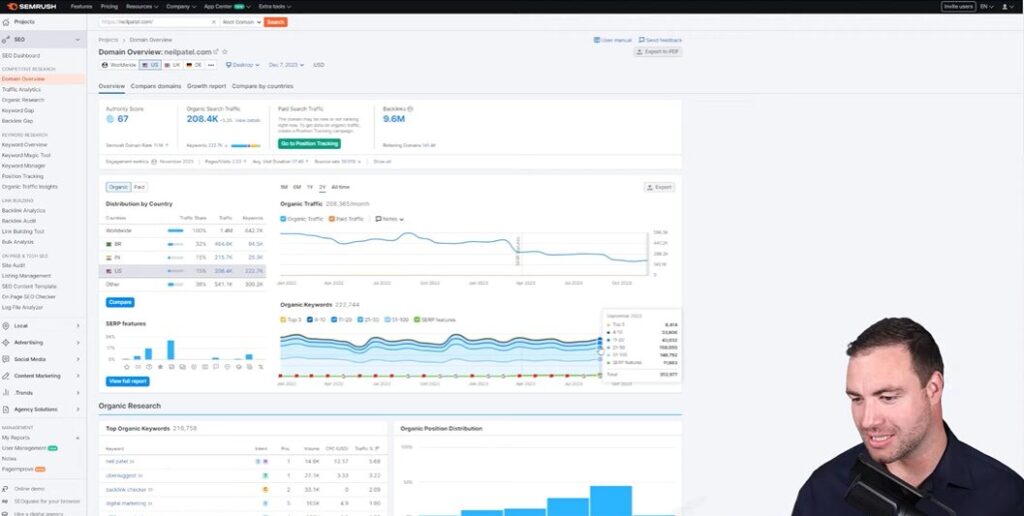
When it comes to SEO, one of the most disheartening experiences is watching your keywords drop in rankings. I remember when the chiropractic clinic I worked with suddenly faced this reality. It's like a punch in the gut, especially when you're relying on those keywords to bring in new patients.
To tackle these issues, tools like SEMrush and Google Search Console are invaluable. Have you ever wondered how many keywords you're losing? Or their current positions? With SEMrush's organic research tab, you can easily identify these changes. It’s vital to focus on keywords that used to perform well.
By pinpointing these keywords, we gain insights into where to direct our recovery efforts. What’s key in this process is understanding that being stuck at the top isn't the only indicator of success.
Now, let's talk about lost keywords. Identifying them and their positions is crucial. I’ve seen firsthand how losing even a few positions can significantly affect lead generation. In one case, a significant drop in keywords led to zero new patients for an entire month. Talk about a wake-up call!
The ultimate goal isn't just ranking high; it’s about conversions. Understanding traffic vs. conversions is essential. Are visitors clicking on your site due to a high ranking, but not converting? It’s a common issue. Rankings can be deceptive.
For instance, a plumber who ranks well for key services is likely to see more inquiries. But if those inquiries don't convert to jobs, what good is the high ranking? The focus should be on what leads to real customer calls. At the end of the day, revenue matters most.
I often emphasize the importance of analyzing this interplay. Is your traffic translating into meaningful conversions? Evaluating this regularly ensures that we're not just celebrating high rankings but also improving the bottom line.
In my experience, this blend of tools and understanding is what truly sets apart successful SEO strategies from mediocre ones. So, let’s not just chase numbers; let’s chase results.
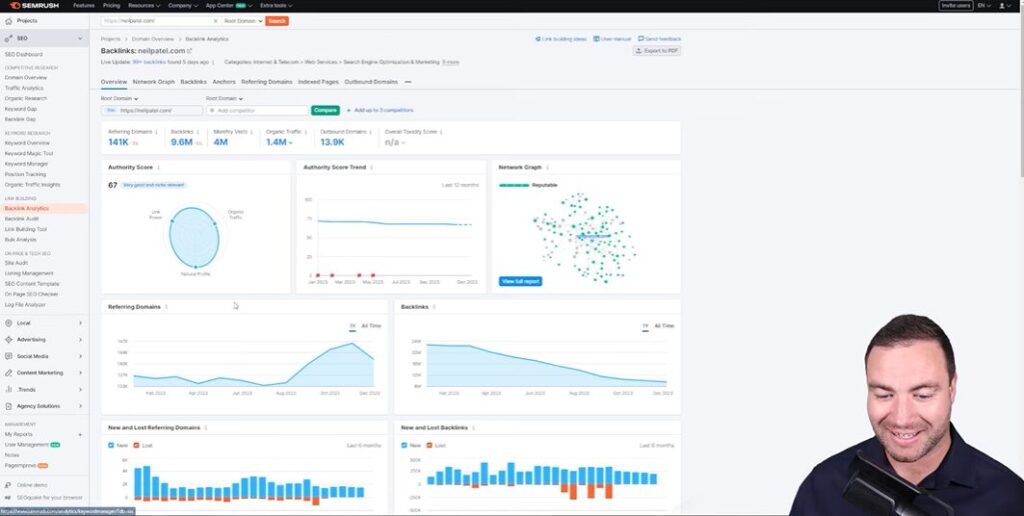
Backlinks are often seen as an afterthought in the SEO world. But let me tell you, they’re anything but! They act like votes of confidence from one site to another. The more quality backlinks you have, the more search engines view your site as credible and valuable. So, how do they really affect SEO health?
Think of backlinks as the lifeblood of your site’s visibility. Here are a few key points:
It's simple: if you want to climb the rankings, you need a strong backlink profile. But there’s a catch!
With tools like SEMrush and Ahrefs, we can dive into backlink analytics and keep tabs on our partners. I like to ask, "Are those backlinks doing their job?" If your partner links lead to quality traffic, that's a win! Here’s how we can assess their effectiveness:
Ever experienced a sudden drop in rankings? It could be due to lost backlinks, especially after an algorithm update. This isn’t just a technical glitch; it’s a major issue!
When algorithms change, sites that previously ranked well may no longer be seen as authoritative. If those sites link to you and they drop in rank, guess what? You might lose valuable backlinks! Think of it like a chain reaction - one link lost can affect many.
It’s critical to keep a close eye on your backlink profile, particularly when algorithm changes happen. You don’t want to be caught off guard!
So, how do we mitigate this risk? Stay proactive. Regular analysis of your backlinks helps you recognize shifts and make adjustments. In the ever-evolving world of SEO, knowledge and adaptability are key.
As you can see, backlinks are vital for SEO health. They require careful tracking and management to ensure that your site remains competitive in the online landscape.
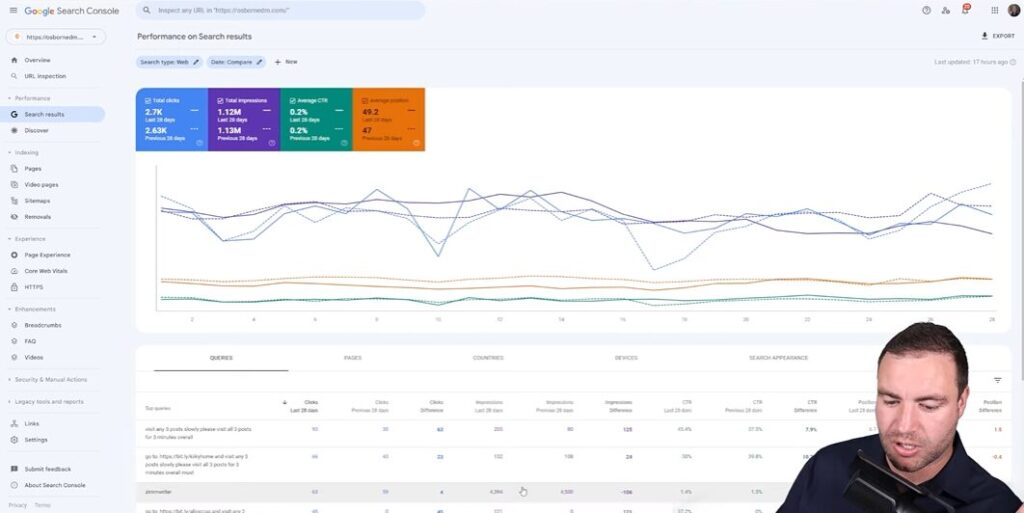
In today's digital landscape, the topic of content pruning continues to spark debate. Is it necessary? Many marketers and content creators argue it is. On the flip side, others believe all content holds potential - still, the reality check is knowing when to cut back. I faced this question firsthand when helping a chiropractic clinic that relied heavily on AI-generated content. They saw initial growth, but things changed quickly. In fact, they experienced a significant drop-off in patient acquisitions.
How do we identify content that just isn't working? It starts with analyzing analytics data. Look for pages with little to no traffic or engagement. If there's no interest, why keep it? Think of it like a garden: If something isn’t growing, it's time to prune it away. AI-generated content can fall flat because it might lack the personal touch that resonates with clients. Just like that chiropractic clinic I worked with, sometimes what seemed like a clever shortcut ends up costing more in the long run.
Okay, we know some content needs to go. But what about the rest? It's crucial to implement a content refinement strategy. This means taking existing content and enhancing it. You can:
In doing this, you're not merely focusing on volume. You're actively working to improve quality. It’s about creating value for readers. By reviewing metrics and continually fine-tuning your content, you can steer your digital ship back on course.
The journey of content management isn't always easy. I often remind myself to keep assessing and adapting. After all, we want our content to serve a purpose - not just fill space. How about you? Where do you stand in the content pruning debate?
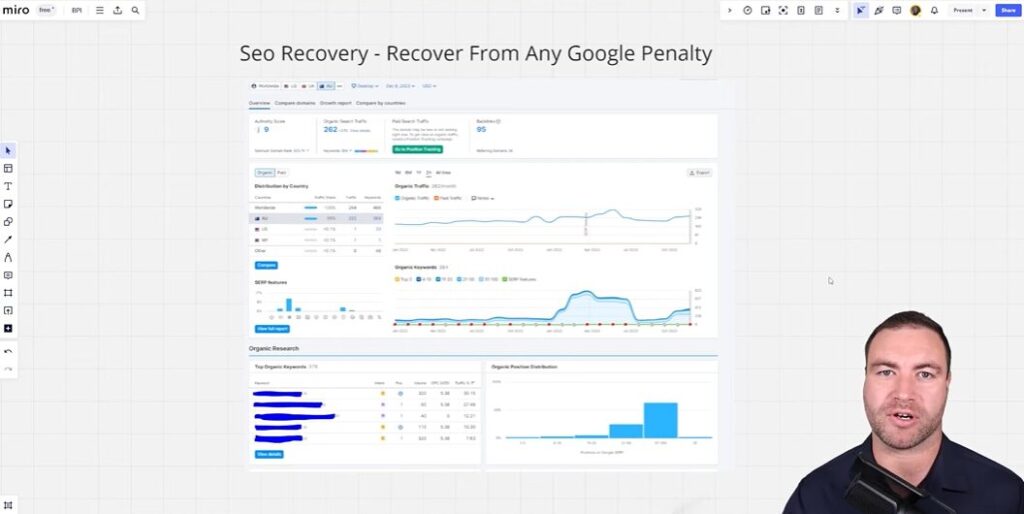
When facing a significant drop in SEO performance, it’s crucial to have a plan in place. Just like any other aspect of business, setting up a dedicated recovery plan is essential. Allow me to share how I approach this process.
The first step is to outline your SEO recovery. This plan should detail specific actions you’ll take to restore your rankings and recover from any Google penalty. Think of it like a roadmap: without one, you might get lost.
Next, ongoing keyword and backlink monitoring is vital. I often use tools like SEMrush to keep tabs on keyword performance and backlink quality.
Here's how to approach this:
Finally, utilizing analytics is the cornerstone of any effective recovery strategy. Google Search Console provides amazing insights for keyword research, traffic, and rankings.
When analyzing your data, I encourage focusing on:
"The focus here is primarily on top three keyword rankings because these positions are where leads tend to be generated." – Ron from Osborne Digital Marketing
In my experience, a well-crafted recovery strategy can revive a struggling SEO campaign. Don't underestimate the power of consistent monitoring and data analysis. Stay engaged with your metrics to see real-time results of your adjustments.
As I reflect on the evolving landscape of SEO marketing, one pivotal question arises: How will AI shape the future of content creation? With tools like ChatGPT entering the scene, businesses are trying to harness their power for efficiency. But, there’s a flip side. My experience with a chiropractic clinic is a case in point. Initially, their AI-generated content attracted new clients. But, without oversight, a dramatic drop in patient acquisitions followed.
We must remember, the goal isn't merely traffic - it's revenue. Quality content can’t be replaced by algorithms; it requires a human touch to resonate with your audience. If you rely heavily on AI, the potential for penalties looms large. Have you checked the quality of your content lately?
Algorithms are the backbone of SEO. They dictate how your content performs. And guess what? They’re always changing. From personal experience, staying informed about these updates is more than important - it’s essential. I've seen firsthand how significant shifts in Google’s algorithms can impact businesses. One month, a site might rank well, and the next, it falls. The chiropractor clinic faced this. We lost traction, and those rankings translated into real-world consequences.
In an ever-changing digital landscape, continuous education is non-negotiable. I’ve learned that attending webinars, following blogs, and participating in online courses are great ways to stay informed. It's like tuning into a game. You need to know the rules and strategies to win.
Whenever I feel lost in the sea of information, I often ask myself: What can I learn today? I genuinely believe that sharing experiences enhances learning. If you're feeling overwhelmed, connect with others in the industry. Learning from each other's successes and failures can yield invaluable insights.
So, whether it’s about navigating the complexities of AI in content generation or understanding the nuances of algorithm shifts, remember that the journey of learning is ongoing. What steps are you taking to stay ahead in your SEO game?
As I wrap up this discussion on SEO recovery, I want to reflect on the journey we’ve taken together on how to recover from any Google penalty. We’ve navigated the turbulent waters of Google penalties, learned how to analyze data effectively, and explored practical strategies for regaining lost ground. It's crucial to remember that SEO is not just a technical game; it’s about real people and their interactions with your business.
In my case study involving the chiropractic clinic, we began by monitoring keyword rankings using tools like SEMrush and Google Search Console. This allowed us to identify critical keywords that were slipping and needed immediate attention. Without understanding our starting point, how could we make progress? Tracking those keywords helped us see where leads were generated, ultimately guiding our recovery efforts.
Next, we looked closely at backlinks. Understanding these connections is vital. A healthy backlink profile is essential for SEO recovery. We discovered significant losses in backlinks, which indicated a potential reason for our drop in rankings. That's a valuable lesson - always keep an eye on your backlinks!
Throughout this process, we achieved notable milestones, including generating 23 new patients within three months. That wasn’t merely about increasing traffic but about enhancing revenue. What’s the point of ranking if it doesn’t lead to sales? For any business facing similar hurdles, take heart. The SEO landscape is challenging, but recovery is possible.
Facing issues with your SEO? You're not alone. I encourage you to share your own experiences. Have you faced penalties or severe drops in traffic? How did you bounce back? Your stories can inspire others in the same boat. By engaging in such discussions, we not only learn but also foster a supportive community.
Don't hesitate to reach out, or drop your thoughts in the comments section below. Remember, every setback can be a setup for a comeback. Let's move forward together, with confidence. Cheers to our collective growth in the world of SEO!
